We love dessert, but we also care about steady blood sugar and sustainable energy. The good news: enjoying something sweet doesn’t mean a glucose roller coaster. By choosing low‑carb ingredients, smart portioning, and blood‑sugar friendly sweeteners, we can savor treats that keep our numbers steady and our cravings satisfied. In this guide we explain the science behind low‑carb desserts, show practical swaps and baking tips, and give 14 dessert recipes or serving ideas with estimated macros so you can pick treats that fit your plan without surprise spikes.
Why Low‑Carb Desserts Help Control Blood Sugar
Carbohydrates, Glycemic Load, And Blood Sugar
Carbohydrates are the main driver of post‑meal blood glucose. But not all carbs are equal: glycemic index (GI) measures how quickly a food raises blood sugar, while glycemic load (GL) factors portion size. A small portion of a high‑GI item may have little effect: a large portion of a moderate‑GI food can spike glucose. Low‑carb desserts reduce total digestible carbohydrate and GL, so they blunt the glucose surge that follows a typical sugary dessert.
Role Of Fiber, Protein, And Fat In Slowing Glucose Absorption
Fiber, protein, and fat slow gastric emptying and lower the rate at which glucose enters the bloodstream. That’s why desserts that pair a little fruit with nuts or full‑fat dairy tend to affect blood sugar far less than equal‑calorie sugary confections. For example, a berry parfait with Greek yogurt and chopped almonds combines fiber (berries), protein (yogurt), and fat (nuts) to moderate the glycemic response.
Safe Sweetener Options And What To Avoid
We recommend non‑nutritive sweeteners and low‑calorie sugar alcohols for minimizing blood sugar impact. Erythritol, stevia, monk fruit, and allulose are popular because they contribute minimal digestible carbs and have favorable taste profiles. Xylitol and maltitol are partially absorbed and can raise blood sugar in some people: they also cause gastrointestinal upset for some. Regular sugar, honey, and high‑fructose corn syrup quickly raise blood glucose and should be avoided when our goal is a low‑glycemic dessert.
How To Choose And Modify Desserts For Minimal Blood Sugar Impact
Portion Sizes, Pairing With Meals, And Timing
Portion control matters. Even a low‑carb dessert can add up if we overindulge. Aim for modest portions: think 1/3 to 1/2 cup mousse, a single cookie, or two small fat bombs. Pair a dessert with a protein‑rich meal or a source of fiber (salad, legumes) to blunt any rise in glucose. Timing also matters, having a dessert after a balanced meal is better than on an empty stomach.
Ingredient Swaps To Lower Net Carbs
Simple swaps make a big difference:
- Replace wheat flour with almond or coconut flour (lower net carbs and higher fat/protein).
- Use unsweetened cocoa instead of sweetened chocolate.
- Swap regular milk for unsweetened almond, macadamia, or coconut milk.
- Substitute sugar with erythritol, stevia, monk fruit, or a blend designed for baking.
- Replace most fruit with lower‑sugar berries and reduce the quantity.
These swaps keep texture and flavor while reducing digestible carbs.
Baking Tips To Preserve Texture Without Added Sugar
Sugar contributes flavor, color, and moisture. To keep great texture without sugar:
- Add extra egg yolk or whole eggs for richness and structure.
- Use small amounts of glycerin‑free sugar alcohol blends or allulose for browning (allulose caramelizes more like sugar).
- Add a touch of applesauce (unsweetened) or mashed avocado for moisture, use sparingly to keep carbs low.
- Let baked goods cool fully before cutting: low‑carb flours often set as they cool.
With a few technique tweaks, low‑carb desserts can be just as pleasant as the originals.
The 14 Low‑Carb Desserts (Recipes, Serving Ideas, And Macros)
Below we list 14 desserts, include a short recipe or serving idea, and provide estimated macros (per serving). Macro estimates assume common low‑carb versions and are rough: always calculate with your brands for precision.
Keto Chocolate Avocado Mousse
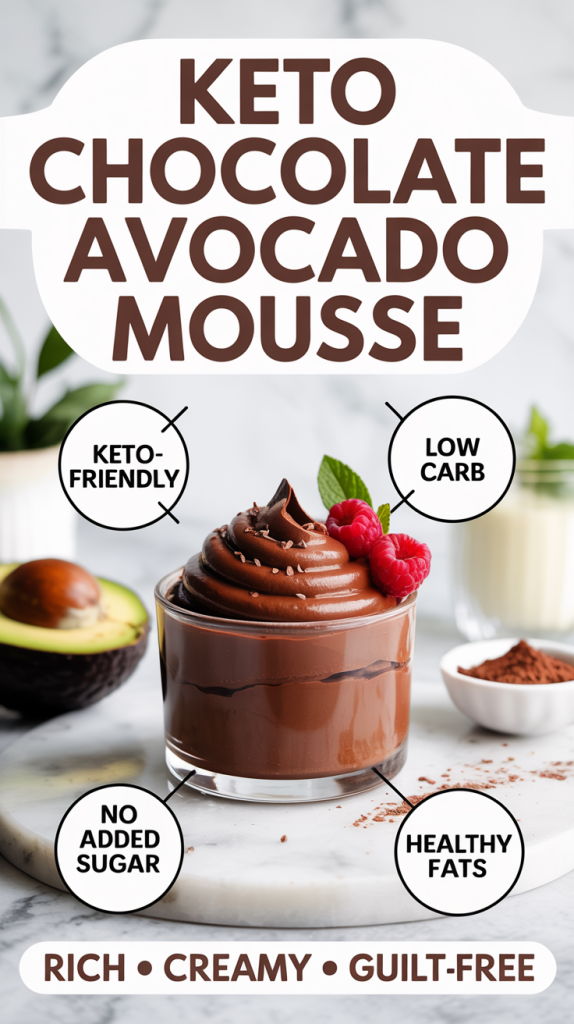
Ingredients/Method: Blend 1 ripe avocado, 2–3 tbsp unsweetened cocoa powder, 2–3 tbsp erythritol or monk fruit blend, 1 tsp vanilla, pinch of salt, and 2–4 tbsp heavy cream or coconut cream until silky. Chill.
Serving: 1/2 cup.
Estimated macros (per 1/2 cup): 260 kcal | 6 g net carbs | 22 g fat | 4 g protein
Greek Yogurt Berry Parfait With Nuts
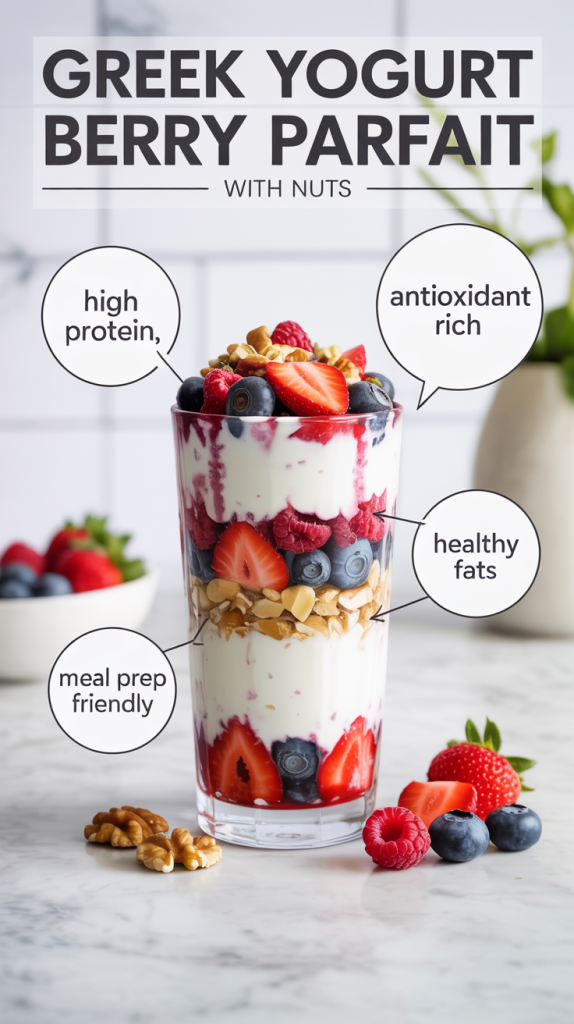
Method: Layer 3/4 cup full‑fat Greek yogurt (unsweetened) with 1/4 cup mixed berries and 1 tbsp chopped walnuts. Sweeten with a few drops of stevia if desired.
Serving: single parfait cup.
Estimated macros: 200 kcal | 7 g net carbs | 12 g fat | 14 g protein
Almond Flour Chocolate Chip Cookies (Low‑Sugar)
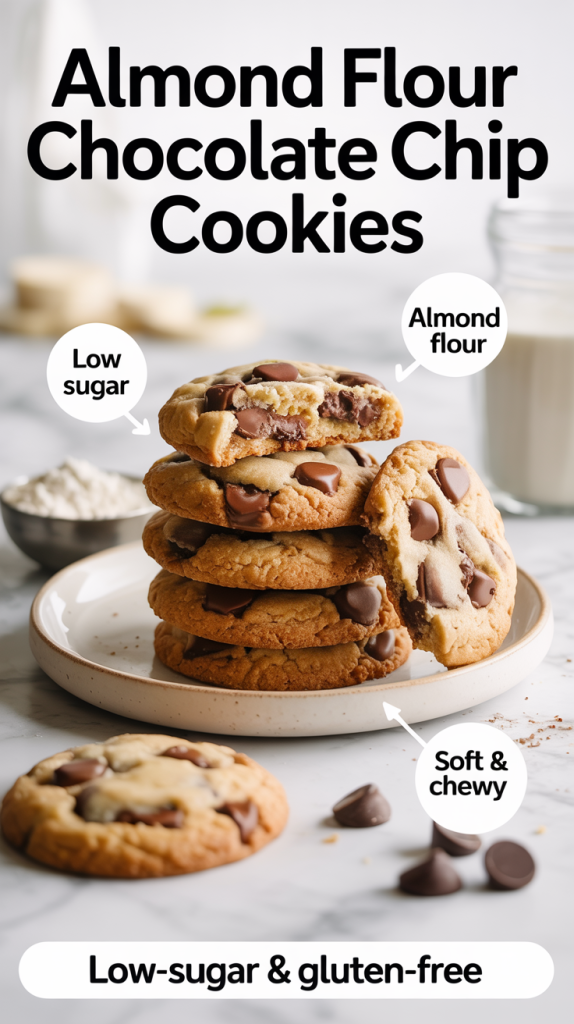
Method: 2 cups almond flour, 1/4 cup melted butter, 1 egg, 1/4 cup erythritol, 1 tsp baking powder, pinch salt, 2 tbsp sugar‑free chocolate chips. Mix, shape into 12 cookies, bake 10–12 minutes at 350°F.
Serving: 1 cookie (of 12).
Estimated macros: 120 kcal | 2 g net carbs | 10 g fat | 4 g protein
Lemon Ricotta Cheesecake Cups

Method: Mix 1 cup ricotta, 2 tbsp cream cheese, zest and juice of 1 lemon, 2 tbsp erythritol, 1 tsp vanilla. Spoon into 4 small cups, chill.
Serving: 1 cup (1 of 4).
Estimated macros: 160 kcal | 4 g net carbs | 12 g fat | 8 g protein
Cinnamon Chia Pudding With Unsweetened Almond Milk
Method: Combine 3 tbsp chia seeds with 1 cup unsweetened almond milk, 1/2 tsp cinnamon, and erythritol to taste. Refrigerate 3+ hours or overnight. Top with a few sliced almonds.
Serving: 1/2 cup.
Estimated macros: 150 kcal | 3 g net carbs | 10 g fat | 6 g protein
Peanut Butter Chocolate Fat Bombs
Method: Mix 1/2 cup natural peanut butter, 1/4 cup coconut oil, 2 tbsp cocoa powder, 2 tbsp erythritol. Spoon into mini silicone molds and chill until firm.
Serving: 1 fat bomb (of 12 small).
Estimated macros: 90 kcal | 1 g net carbs | 9 g fat | 2 g protein
Coconut Flour Brownies
Method: 1/2 cup coconut flour, 4 eggs, 1/2 cup butter, 1/3 cup cocoa powder, 1/2 cup erythritol, pinch salt. Bake in a small pan 20–25 minutes at 350°F. Cool and cut into 9 pieces.
Serving: 1 brownie (1/9).
Estimated macros: 170 kcal | 4 g net carbs | 14 g fat | 6 g protein
Baked Apples With Cinnamon And Nuts (Portion‑Controlled)
Method: Core a small apple, fill with 1 tsp butter, 1 tbsp chopped pecans, 1/2 tsp cinnamon, and a sprinkle of erythritol. Bake until tender. Choose small apples and limit topping to keep carbs moderate.
Serving: 1 small apple.
Estimated macros: 150 kcal | 18 g net carbs | 7 g fat | 2 g protein (note: apples have natural sugar, portion control is key)
Ricotta And Berry Stuffed Crepes (Low‑Carb Batter)
Method: Make low‑carb crepes using 3 eggs, 3 tbsp ricotta, 1 tbsp almond flour, pinch salt, blend and cook thinly. Fill with 2 tbsp ricotta mixed with stevia and a tablespoon of berries.
Serving: 1 filled crepe.
Estimated macros: 170 kcal | 4 g net carbs | 12 g fat | 10 g protein
Matcha Coconut Panna Cotta
Method: Heat 1 cup coconut milk with 1 tsp matcha, sweeten with allulose or erythritol, dissolve 1 tsp gelatin, pour into molds and chill until set.
Serving: 1 small panna cotta.
Estimated macros: 180 kcal | 3 g net carbs | 16 g fat | 3 g protein
Dark Chocolate‑Coated Strawberries (Minimal Chocolate)
Method: Use 70–85% dark chocolate or a sugar‑free coating. Dip large strawberries, but limit to 2–3 to keep carbs low.
Serving: 2 strawberries.
Estimated macros: 90 kcal | 6 g net carbs | 6 g fat | 1 g protein
No‑Bake Lemon Cheesecake Bars With Nut Crust
Method: Crust: 1 1/2 cups almond flour, 3 tbsp melted butter, 1 tbsp erythritol press into pan. Filling: 8 oz cream cheese, zest and juice of 1 lemon, 1/4 cup erythritol, 1 egg. Pour, chill and cut into 8 bars.
Serving: 1 bar (1/8).
Estimated macros: 220 kcal | 3 g net carbs | 20 g fat | 5 g protein
Sugar‑Free Gelatin With Fresh Citrus And Berries
Method: Prepare sugar‑free gelatin per package using water or diluted unsweetened tea. Stir in a few slices of citrus (thin) and a couple tablespoons of berries. Chill.
Serving: 1 small bowl.
Estimated macros: 30 kcal | 4 g net carbs | 0 g fat | 0 g protein
Mascarpone Berry Spoon Dessert
Method: Whip 3 tbsp mascarpone with 1 tbsp Greek yogurt, a squeeze of lemon and erythritol. Serve with 2 tbsp macerated raspberries (lightly mashed with a few drops of sweetener).
Serving: small spoon dessert.
Estimated macros: 140 kcal | 3 g net carbs | 12 g fat | 4 g protein
Notes on macros: We’ve focused on keeping net carbs low (3–7 g for most options) and boosting fat and protein to improve satiety and blunt glycemic response. For items containing fruit (apples, strawberries), portion control is essential to avoid higher carbs.
Practical Baking And Sweetener Tips For Best Results
How To Use Sugar Alcohols, Stevia, Monk Fruit, And Erythritol
Erythritol: Works well in baking as a bulk sweetener: non‑caloric and largely non‑glycemic. It can recrystallize and feel cooling in the mouth, blends with stevia or monk fruit smooth this.
Allulose: Browns and caramelizes more like sugar: it’s partially absorbed but has minimal glycemic effect in most people. It’s excellent for cookies and caramel‑style flavors.
Stevia & Monk Fruit: Intense sweeteners used in small amounts. They don’t provide bulk, so pair them with erythritol or use bulking agents (like a bit of almond flour) in recipes.
Sugar Alcohols to be cautious with: Maltitol and sorbitol can raise blood sugar in some people and often cause digestive upset. Xylitol is toxic to dogs, keep it away from pets.
Adjusting Texture And Moisture When Removing Sugar
- Add extra egg yolk or a tablespoon of oil for moisture.
- Use cream cheese, ricotta, or mascarpone to add creaminess in no‑bake desserts.
- Replace some of the missing bulk with nut flours: they’re denser, so reduce baking time slightly and check doneness early.
- For crispness, thin batters with a splash of water or almond milk: for chewiness, add a small amount of psyllium husk or xanthan gum (a little goes a long way).
Testing And Calculating Net Carbs
Net carbs = total carbs − fiber − sugar alcohols (if they’re non‑glycemic like erythritol). Read labels carefully: some sugar alcohols list half or full carbs on the nutrition panel. We recommend using a nutrition calculator with your exact brands. When trying a new sweetener or recipe, measure your own blood glucose response if you monitor, individuals vary.
Serving, Storage, And Meal‑Planning Strategies
Make‑Ahead, Freezing, And Reheating Tips
Many low‑carb desserts freeze well. Fat bombs, cookie dough balls, and brownie slices freeze for 1–2 months wrapped tightly. Thaw in the fridge overnight or at room temperature for 20–30 minutes.
Cheesecakes, mousse, and panna cotta keep 3–5 days in the refrigerator. For best texture, let chilled desserts sit at room temperature 10–15 minutes before serving, flavors open up and the mouthfeel improves.
When reheating baked low‑carb goods, use low heat (250–300°F) to avoid drying. A quick 5–8 minute warmup in a toaster oven is often enough.
Incorporating Desserts Into A Balanced Eating Plan
We suggest treating low‑carb desserts as planned treats rather than free‑for‑alls. Pairing a small dessert with a protein‑rich meal or a fiber‑packed salad helps maintain balance. If you’re tracking carbs for diabetes or ketosis, log the dessert and adjust carbohydrate allowance for the day accordingly.
We also advocate for savoring: eat slowly, focus on flavor, and keep portions conservative. Pleasure and mindfulness reduce the chance of overeating.
When To Monitor Blood Sugar And Seek Professional Advice
Signs A Dessert Is Affecting Your Glucose And How To Test
If you notice unusual energy crashes, mid‑afternoon fatigue, excessive thirst, or the need to urinate more often after eating a dessert, it may be affecting your blood sugar. The most direct way to know is to test:
- Check fasting glucose and then 1–2 hours after eating the dessert to see the impact.
- If you use continuous glucose monitoring (CGM), observe the curve after trying a new recipe.
We recommend testing a single new dessert in a controlled setting (after a light meal or on its own) so you can attribute changes accurately.
Working With Dietitians And Diabetes Educators
If you have diabetes, prediabetes, or other metabolic concerns, consult a registered dietitian or certified diabetes educator before making changes. They can help personalize portion sizes, integrate desserts into your carbohydrate budget, and suggest glucose‑safe substitutes that match your medical needs. Medication timing and doses sometimes need adjustment when food patterns change, that’s another reason to stay connected with your care team.
Conclusion
We don’t need to give up dessert to keep our blood sugar steady. With the right ingredients, portion control, and a few baking techniques, we can enjoy satisfying, low‑carb sweets that minimize glucose spikes. Use the 14 options here as a starting point: try a few, note how you feel or test your numbers, and adapt recipes to your taste. When in doubt, work with a clinician or dietitian, and don’t forget to savor the moment. Moderation plus smart choices lets us have our dessert and stay in control.