When it comes to home design, many of us aspire to achieve that polished, professionally styled look. But, not everyone has the budget for a designer or the time to meticulously plan every detail. Fortunately, with a few clever tricks and hacks, we can transform our spaces to feel both professional and inviting. In this text, we’ll share 15 genius design hacks that can help us elevate our home decor and create an environment that feels thoughtfully curated and stunning without very costly.
Understanding Professional Design Principles
To begin our design journey, it’s essential to understand the principles that guide professional decorators. They don’t merely apply trends: instead, they focus on a cohesive vision, balance, and the effective use of space, light, and color. By keeping these fundamental concepts in mind, we can make informed choices that resonate throughout our homes.
- Cohesive Vision: Think about the mood or theme of your home. Do you want it to feel modern, rustic, or eclectic? Decide on a direction and let it guide your choices.
- Balance: Professionals often create balance through visual weight. This doesn’t always mean symmetry: sometimes, asymmetrical arrangements create a more dynamic feel.
- Space Planning: The flow of a room is just as significant as its features. We should consider how we move through our homes and arrange furniture to optimize that experience.
1. Focus on a Cohesive Color Palette
A cohesive color palette unifies a space and creates a sense of serenity. We recommend selecting three to five colors that complement each other and using them consistently throughout different areas of our home.
To start,
- Choose a Base Color: This will serve as the primary shade for walls or large furniture.
- Select Accent Colors: These should be used in smaller decor pieces like pillows or art that add depth without overwhelming the base.
2. Use Layered Lighting for Ambiance
Lighting is a fundamental aspect of home design that is often overlooked. Instead of relying solely on overhead lights, we should incorporate layers of lighting:
- Ambient Lighting: This is the general illumination of the space. Think overhead fixtures or ceiling lamps.
- Task Lighting: This helps us see clearly for specific activities, such as reading lamps or under-cabinet kitchen lights.
- Accent Lighting: Highlights features we want to draw attention to, like artwork or architectural details.
By blending these types of lighting, we create warm and inviting atmospheres that feel sophisticated.
3. Incorporate Textures for Depth
Adding various textures can turn a flat appearance into a rich visual experience. It invites touch and adds character. Here’s how we can do it:
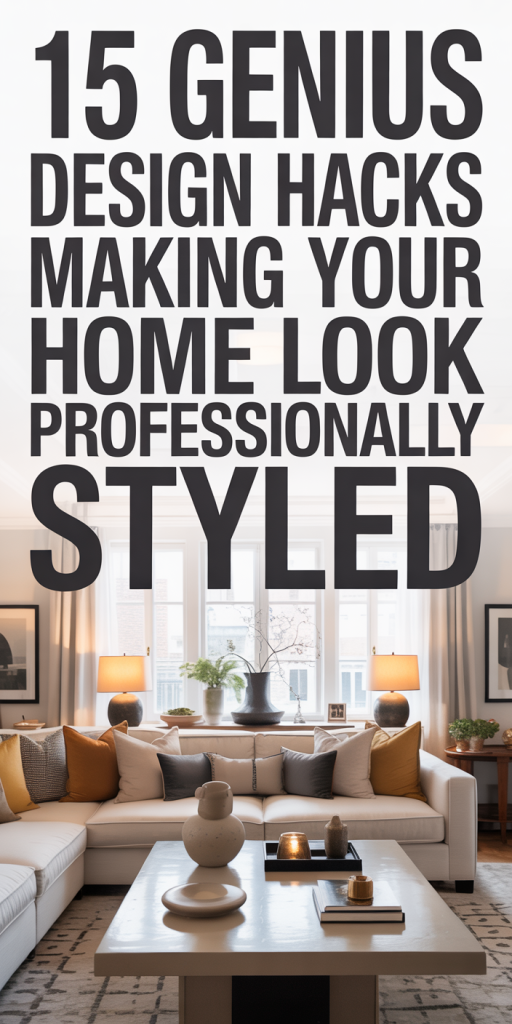
- Layer Fabrics: Combine different textiles in our cushions, throws, and curtains to create visual interest.
- Use Natural Materials: Incorporate wood, stone, and metal elements that provide contrast to softer textures.
4. Add Statement Artwork
Art is a personal expression but can also be a focal point in our homes. We should choose pieces that resonate with us, whether they are bold, vibrant pieces or subtle and subdued.
To maximize the impact of our artwork:
- Scale Matters: A large piece can act as a statement in a room, while smaller pieces work well in groups.
- Placement: Hang art at eye level to ensure it catches the viewer’s attention.
5. Use Mirrors to Create Illusions of Space
Mirrors are not only functional: they can also enhance the aesthetic of a room. By strategically placing mirrors, we can:
- Reflect Light: This enhances the overall brightness and makes spaces feel larger.
- Create Depth: A mirror can visually expand narrow hallways or small rooms, making them feel more open.
Exploring Functional Design Hacks
When we think about home design, functionality should never be an afterthought. We can maximize our space and improve flow by utilizing smart design hacks.
Rearrange Furniture for Better Flow
Often, we can dramatically improve the functionality of our spaces simply by rearranging furniture. To find the best layout:
- Experiment: Move pieces around until the layout feels right. We should consider how we move through the room and adjust accordingly.
- Focal Points: Arrange seating and furniture around focal points, such as a fireplace or television.
Employ Multi-Functional Furniture
Multi-functional furniture is a game changer, especially in smaller homes. We should consider:
- Sofa Beds: Perfect for accommodating guests without requiring additional space for a full guest room.
- Storage Ottomans: They provide seating and hidden storage, reducing clutter.
8. Maximize Storage with Smart Solutions
Clutter can detract from our home’s aesthetics, making smart storage solutions vital. Here are a few ideas:
- Built-In Shelves: Installing shelves into the wall can offer organized storage without sacrificing floor space.
- Under-Bed Storage: Utilizing space beneath beds can keep rooms tidy while hiding seasonal items or extra linens.
Emphasizing Personal Touches
While following professional design principles is key, personal touches truly make a house feel like a home. We can incorporate aspects of our life, interests, and memories.
Showcase Personal Collections
Whether it’s books, travel souvenirs, or art pieces, showcasing our collections can add unique character to our spaces. We recommend:
- Curated Displays: Use shelves or shadow boxes to thoughtfully display items.
- Vary Heights: Arrange items at different heights to create visual interest.
Use Family Photos Stylishly
Family photos are cherished mementos, and displaying them with style is crucial. We can:
- Mix and Match Frames: Using a variety of frames can create dynamic wall collages.
- Gallery Walls: Consider grouping photos along one wall, showcasing our journey stylishly.
Designing with Nature in Mind
Our indoor environments significantly impact our wellbeing. By designing with nature in mind, we can create serene spaces. Consider aspects like:
- Light: Maximize natural light through larger windows or by choosing lighter window treatments.
- Views: Arrange furniture to take advantage of scenic views or natural light sources.
Integrate Indoor Plants
Plants aren’t just decorative: they also purify the air and create a calming atmosphere. We can:
- Mix Sizes: Use a variety of plant sizes, from small succulents to larger floor plants, to add dimension.
- Create Green Zones: Consider setting aside dedicated spaces, such as corners, for a small indoor garden.
Use Natural Materials
Incorporating materials like wood, stone, and bamboo brings an organic, grounded feel to our homes. We should strive for:
- Furniture Choices: Choose furniture that utilizes these materials to create warmth and texture.
- Decor Elements: Look for accents like stone coasters or wood-based table decor.
Final Touches to Achieve a Polished Look
Before we finalize our design, adding the finishing touches is essential. These elements can transform an average space into a stunning retreat.
Add Decorative Accessories
Accessories breathe life into a room. We can elevate our decor through carefully chosen items such as:
- Vases and Bowls: Incorporate unique shapes and colors to inject personality.
- Throw Pillows: Use varying textures and patterns to add depth.
Utilize Rugs for Cohesion
Rugs can define spaces and add warmth. When selecting rugs, we should consider:
- Size: Ensure the size fits the area. A well-placed rug can anchor the furniture arrangement.
- Patterns: Choose patterns that complement our color palette and add an additional layer of interest.
15. Refresh Spaces with Seasonal Decor
Keeping our spaces fresh doesn’t require a complete redesign. Seasonal decor can do wonders.
- Change Small Accessories: Switch out throw pillows, table runners, or artwork to reflect the seasons.
- Natural Elements: Incorporate seasonal plants or colors that align with the time of year.
Conclusion
Achieving a professionally styled look in our homes doesn’t have to be an elusive goal. With these 15 design hacks, we can enhance our spaces, blending functionality with aesthetics. Remember to express our personal style while respecting fundamental design principles. As we embark on our decorating journeys, let’s take these time-tested tips and craft environments that reflect who we are while feeling effortlessly curated.