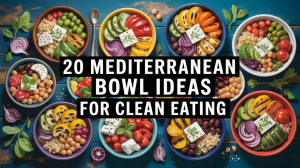
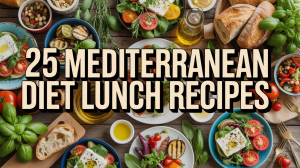
We’ve long admired how Mediterranean breakfasts balance flavor, satisfaction, and wholesome nutrition. Instead of sugary, processed morning fare, the Mediterranean approach leans on whole foods, fruits, vegetables, whole grains, olive oil, dairy, legumes, and modest amounts of fish or eggs. In this guide we’ll walk through 15 breakfasts inspired by the region, explain what makes a breakfast “Mediterranean,” and give practical tips so you can build balanced, delicious morning meals even on the busiest days.
What Defines A Mediterranean Breakfast
Key Ingredients And Flavors
When we talk about a Mediterranean breakfast, we’re describing a philosophy as much as a recipe. Core ingredients include extra-virgin olive oil, whole grains (think barley, farro, and whole wheat), fresh vegetables and fruit, legumes, nuts and seeds, yogurt and cheeses like feta or labneh, and fish, especially oily fish such as smoked salmon. Herbs (oregano, thyme, parsley), bright citrus, and mild spices (za’atar, sumac) provide vivid, savory notes. Salted elements, olives, capers, add contrast to naturally sweet fruits and honey.
Flavor-wise, Mediterranean breakfasts emphasize balance: savory and bright (tomatoes, lemon), creamy and tangy (yogurt, labneh), and textural contrast from nuts, seeds, or crisp bread. We frequently use olive oil instead of butter and choose whole-food sweeteners like honey or ripe fruit.
Health Benefits And Why It Works For Breakfast
The Mediterranean pattern is one of the most consistently studied dietary approaches for longevity and metabolic health. For breakfast, it offers advantages we appreciate every morning:
- Sustained energy: Whole grains + healthy fats + protein slow glucose rises and keep us full longer.
- Heart protection: Olive oil, nuts, and fatty fish supply monounsaturated and omega-3 fats linked to lower cardiovascular risk.
- Anti-inflammatory effects: Fruits, vegetables, legumes, and olive oil contain polyphenols and fibers that reduce inflammation over time.
- Flexible and practical: The template adapts to vegetarian, pescatarian, or omnivore preferences and to quick weekday prep or leisurely weekend meals.
In short, a Mediterranean breakfast doesn’t just taste vibrant, it supports cognitive focus and steady energy that helps us get through a busy morning.
Savory Classics
Shakshuka (Poached Eggs In Tomato-Pepper Sauce)
Shakshuka is a hands-on favorite: eggs gently poached in a spiced tomato-and-pepper sauce. We begin by sautéing onion, garlic, and red peppers in olive oil, add chopped tomatoes (fresh or canned), a pinch of smoked paprika and cumin, then crack eggs right into the simmering sauce. Cover until whites set but yolks stay runny. Serve with crusty whole-grain bread for dipping. It’s nutrient-dense, portable (use a small cast-iron or ovenproof dish) and scales easily for a crowd.
Greek Yogurt Bowl With Olive Oil, Honey, And Nuts
This is a Mediterranean morning staple we rarely tire of. Use thick Greek yogurt or strained yogurt (labneh) as the base. Drizzle high-quality extra-virgin olive oil, swirl in raw honey, and top with toasted walnuts or almonds and a sprinkle of sea salt. Add seasonal fruit, berries or figs, if you want sweetness and vitamin C. The olive oil gives a silky mouthfeel and delivers healthy fats: the yogurt provides protein and probiotics.
Mediterranean Omelet With Feta, Tomato, And Herbs
A simple two-egg omelet becomes Mediterranean when we fold in chopped tomatoes, crumbled feta, and chopped parsley or dill. Cook eggs gently in olive oil, add fillings, fold, and finish with cracked pepper and a squeeze of lemon. For extra bulk, add a handful of spinach. This is a high-protein, low-fuss option that we can prepare in under ten minutes.
Vegetable Frittata With Spinach And Olives
Frittatas are perfect for make-ahead breakfasts. We whisk eggs with a splash of milk, stir in sautéed onions, garlic, wilted spinach, halved cherry tomatoes, and sliced Kalamata olives, then bake until set. Slice and refrigerate: reheats well or eats cold. Olives add briny depth, while eggs and spinach supply sustained energy and micronutrients.
Smoked Salmon With Whole Grain Toast And Caper Salad
Smoked salmon is a quick, elegant protein. Pile it on toasted whole-grain bread or a seeded bagel, add thinly sliced cucumber, tomato, red onion, and a scattering of capers. Finish with cracked black pepper, a drizzle of olive oil, and lemon zest. The result is bright, savory, and rich in omega-3 fatty acids, ideal when we want something refined but effortless.
Grains, Breads, And Spreads
Avocado Toast With Tomato, Lemon, And Za’atar
We’ve all seen avocado toast, but a Mediterranean spin is easy: mash avocado with lemon juice, salt, and a pinch of crushed red pepper: spread on toasted whole-grain bread: top with sliced ripe tomato and a dusting of za’atar. Za’atar contributes herbaceous tang and sesame notes that pair beautifully with olive oil. Add a soft-boiled egg if you want extra protein.
Labneh Or Strained Yogurt With Olive Oil, Za’atar, And Pita
Labneh, thick strained yogurt, is practically breakfast royalty in many Mediterranean countries. We dollop labneh into a shallow bowl, drizzle olive oil, sprinkle za’atar, and serve with warm whole-wheat pita or crisp flatbread. It’s creamy, tangy, and filling while remaining light on the stomach.
Ricotta Or Soft Cheese With Honey, Fruit, And Nuts
Ricotta or a soft fresh cheese makes an elegant, quick breakfast. Spread ricotta on toasted sourdough or whole-grain crackers, top with sliced pear or roasted figs, a drizzle of honey, and chopped pistachios or almonds. The contrast of creamy ricotta, sweet fruit, and crunchy nuts keeps us satisfied and gives a pleasing texture profile.
Whole Grain Porridge With Nuts, Seeds, And Dried Fruit
Porridge needn’t be bland. Cook steel-cut oats, barley, or even cracked wheat with milk or water, then stir in chopped dates, raisins, toasted sunflower seeds, and a spoonful of tahini or almond butter. Finish with a splash of olive oil or a few chopped walnuts for healthy fats. This type of porridge gives us a slow-release carbohydrate base and lots of fiber to sustain mid-morning energy.
Light, Fruit-Based, And On-The-Go Options
Fresh Fruit Plate With Nuts, Olives, And A Slice Of Cheese
A composed fruit plate is a great grab-and-go choice. Combine slices of melon or orange with a handful of grapes or figs, a small handful of almonds or walnuts, a few briny olives, and a modest slice of Manchego or feta. The interplay of sweet fruit, salty cheese, and crunchy nuts creates satisfying complexity even though minimal prep time.
Greek Yogurt And Fig Smoothie With Honey And Oats
Blending Greek yogurt with fresh or dried figs, a spoonful of oats, a drizzle of honey, and a little water or milk yields a creamy, fiber-rich smoothie. We can add a pinch of cinnamon or cardamom to echo Mediterranean spice profiles. Pour into a travel cup and we’re set for commutes or mornings on the move.
Chickpea Pancakes (Socca) Or Savory Flatbread With Herbs
Socca, thin chickpea flour pancakes popular in Southern France and nearby Mediterranean regions, is naturally gluten-free and packed with protein. We mix chickpea flour, water, olive oil, and salt into a batter, pan-fry until crisp, and top with za’atar, chopped parsley, or a smear of labneh. They’re portable and hold up well with toppings for a filling, legume-forward breakfast.

Morning Beverages And Small Sides
Coffee, Herbal Teas, And Traditional Morning Drinks
Coffee culture is strong throughout the Mediterranean, espresso, Turkish coffee, and Greek-style coffee are morning rituals in many places. We recommend drinking coffee black or with a splash of milk: it pairs well with sweet or savory breakfasts. Herbal infusions, mint tea, sage, or chamomile, offer caffeine-free alternatives rich in calming compounds. Also, in some regions, a small glass of ayran (a salted yogurt drink) or a light whey-based drink accompanies savory breakfasts and aids digestion.
Fresh Citrus Juice, Tomato Juice, And Infused Water
Fresh-squeezed orange or grapefruit juice is a classic Mediterranean breakfast beverage, especially during citrus season. For more savory palates, a lightly seasoned tomato juice with a squeeze of lemon works well. We also like simply infused water (cucumber and mint or lemon and rosemary) to stay hydrated without excess sugar. When possible, we recommend enjoying whole fruit rather than relying on juice alone to retain fiber and moderate glycemic load.
How To Build Your Own Balanced Mediterranean Breakfast
Balancing Protein, Healthy Fats, And Whole Grains
We aim for a simple rule of thirds: a source of protein (eggs, yogurt, cheese, legumes, smoked fish), a source of healthy fats (olive oil, nuts, avocado, fatty fish), and a whole-grain or starchy base (whole-grain bread, porridge, chickpea pancakes). Add a serving of fruit or vegetables for fiber and micronutrients. For example: Greek yogurt + spoon of olive oil + whole-grain toast + sliced cucumber and tomato gives a complete, balanced start.
Portion Guidance And Meal Prep Tips For Busy Mornings
For portioning, we follow practical, easy-to-remember cues: one palm-sized portion of protein, one cupped handful of whole grains or starchy carbs, and a generous serving of vegetables or fruit (one cup). Nuts and seeds: a small handful (about 1 ounce). Olive oil: one tablespoon.
Prep strategies that save time:
- Batch-cook frittatas or baked shakshuka portions on the weekend and reheat during the week.
- Make a jar of overnight oats with Mediterranean additions, tahini, chopped dates, and toasted sesame.
- Keep labneh or strained yogurt on hand and pre-slice seasonal fruit.
- Toast seeds and nuts in larger batches: store in the fridge to maintain freshness.
These small habits let us assemble balanced breakfasts quickly without sacrificing flavor.
Flavor Pairings, Seasonings, And Quick Swaps
A few seasoning ideas extend our repertoire without extra effort:
- Za’atar + olive oil = instant flavor boost for bread, ricotta, or labneh.
- Lemon zest + cracked pepper brightens smoked fish or avocado spreads.
- Sumac offers tangy acidity for tomato salads and yogurt bowls.
- Fresh herbs (parsley, dill, mint) lift simple dishes and add freshness.
Quick swaps to accommodate dietary needs:
- Dairy-free: use coconut or almond yogurt: swap ricotta for almond ricotta or marinated tofu.
- Gluten-free: choose socca, rice-based porridge, or gluten-free whole grains (buckwheat, quinoa).
- Vegetarian: focus on eggs, legumes, yogurt, and nut butters for protein.
We find that small substitutions keep the underlying Mediterranean pattern intact while making breakfasts suitable for different preferences and restrictions.
Conclusion
These 15 Mediterranean breakfasts give us a versatile framework for starting the day with taste and intention, whether we want something quick and portable or a leisurely, vegetable-forward meal. The real advantage of the Mediterranean approach is flexibility: by combining whole grains, healthy fats, proteins, and seasonal produce, we create breakfasts that satisfy our appetite and support long-term health. Try a new combination each week, keep a few staples on hand (Greek yogurt, olive oil, eggs, whole-grain bread), and let flavor-driven, nutrient-dense mornings become your new routine.