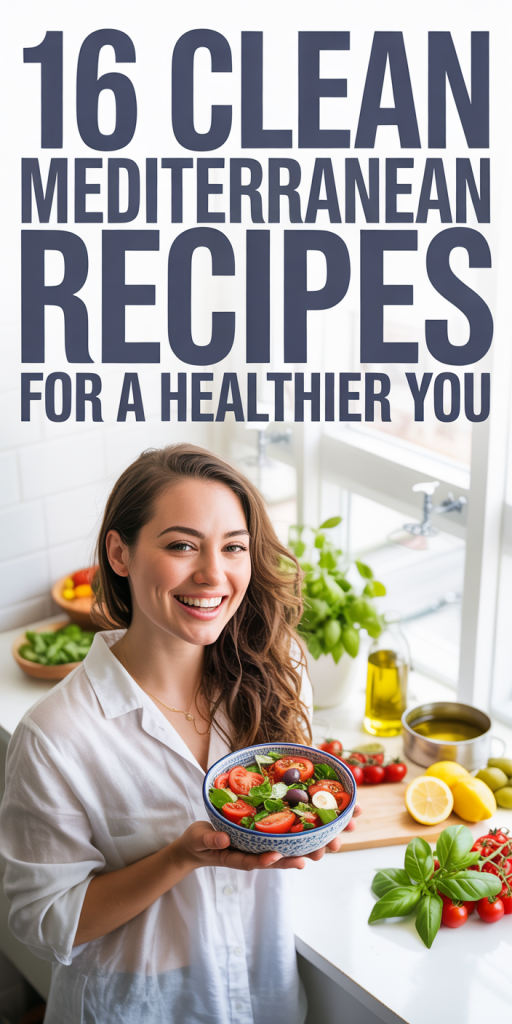
The Mediterranean diet has earned its reputation because it’s delicious, sustainable, and powerful for health. But “Mediterranean” doesn’t have to mean elaborate or time-consuming. We’ve gathered 16 clean, ingredient-forward recipes that capture the region’s flavors, olive oil, citrus, herbs, legumes, whole grains, and fresh produce, while keeping meals simple, nourishing, and easy to prepare. Whether you’re new to this way of eating or refining your routine, these recipes and pantry tips will help us eat better without sacrificing taste.
What Is Clean Mediterranean Eating?
Clean Mediterranean eating emphasizes whole, minimally processed foods central to the traditional diets of countries bordering the Mediterranean Sea. At its core we’re talking:
- Lots of vegetables and fruits, eaten seasonally when possible.
- Whole grains such as farro, bulgur, or whole-wheat pasta and orzo.
- Legumes: chickpeas, lentils, and beans as regular protein sources.
- Healthy fats, primarily extra-virgin olive oil and small amounts of nuts and seeds.
- Moderate portions of fish and poultry: limited red meat and processed foods.
- Herbs and spices used to elevate flavor rather than relying on heavy creams or sauces.
When we say “clean,” we mean prioritizing whole ingredients, minimizing refined sugars, avoiding ultra-processed items, and choosing simple cooking techniques, roasting, grilling, braising, and fresh assembly. The result? Meals that are nutrient-dense, satisfying, and supportive of long-term health outcomes like improved heart health and metabolic markers.
Nutrition note: The Mediterranean pattern isn’t a calorie-counting diet: it’s a framework for making smarter food choices. Portions still matter, but flavor-forward recipes make it easier to eat mindfully and enjoy every bite.
How To Use These Recipes And Stock A Mediterranean Pantry
Before diving into the recipes, a quick pantry checklist and strategy will save time and keep us cooking all week.
Essential pantry items:
- Extra-virgin olive oil (a good quality bottle for finishing and salads).
- Canned tomatoes and pastes for sauces and braises.
- Canned chickpeas and lentils (or dried, if we plan ahead).
- Whole grains: bulgur, farro, brown rice, whole-wheat orzo, quinoa.
- Nuts and seeds: walnuts, pistachios, almonds, sesame (for tahini).
- Olives, capers, and preserved lemons, tiny punches of flavor.
- Dried herbs and spices: oregano, za’atar, cumin, smoked paprika, coriander.
- Vinegars: red wine, sherry, and a good balsamic for dressings.
- Dairy: Greek yogurt and a firmer cheese like halloumi or feta.
Fresh items we’ll buy weekly: leafy greens, seasonal vegetables, citrus, fresh herbs (parsley, mint, basil), garlic, onions, and whatever fish or poultry we plan to cook.
Meal planning tips:
- Batch-roast a tray of seasonal vegetables: they’ll transform into salads, sides, or toppings.
- Cook a big pot of legumes or whole grains at the start of the week for quick assemblies.
- Keep a jar of simple vinaigrette (olive oil, lemon, mustard, salt) for instant salads.
We’ll find that once our pantry is set up, these 16 recipes require little fuss, often one pan, a sheet tray, or quick stovetop cooking. Now, let’s cook.
Breakfasts & Brunch
Breakfast in the Mediterranean is often light, flavor-focused, and centered on quality ingredients. These breakfasts are fast, nourishing, and perfect for starting the day with balanced protein, healthy fats, and fiber.
Greek Yogurt With Honey, Walnuts, And Citrus
We layer thick Greek yogurt with a drizzle of honey, a handful of toasted walnuts, and a scattering of segmented citrus (orange or grapefruit). Finish with a pinch of flaky sea salt and a few mint leaves. It’s equal parts creamy, sweet, and bright, protein-packed and ready in minutes.
Why it works: Greek yogurt offers protein to keep us full: walnuts bring omega-3s and texture: citrus adds acidity to balance the richness.
Quick variation: Swap honey for date syrup or add a spoonful of chia seeds for extra fiber.
Savory Spinach, Tomato, And Feta Baked Eggs
Preheat to 375°F. Sauté garlic and baby spinach with a splash of olive oil, add halved cherry tomatoes and a pinch of salt. Transfer to ramekins or a small skillet, crack eggs over the top, sprinkle crumbled feta, and bake 10–12 minutes until whites are set. Finish with cracked black pepper and parsley.
Why it works: A warm, high-protein dish that’s low-carb and adaptable, great with whole-grain toast.
Make-ahead tip: Prep the spinach-tomato base and store it in the fridge: assemble and bake when we’re ready.
Overnight Oats With Olive Oil, Dates, And Pistachios
Combine rolled oats, a splash of milk, a spoonful of olive oil, chopped dates, and a pinch of cinnamon. Refrigerate overnight. In the morning, top with crushed pistachios and a squeeze of lemon zest.
Why it works: The olive oil adds satiety and a Mediterranean twist: dates provide natural sweetness, avoiding refined sugar.
Serving idea: Stir in Greek yogurt for extra creaminess and protein.
Salads & Sides
Salads in this tradition are substantial enough to be main meals and simple enough to liven up a plate of leftovers. We focus on bright dressings, fresh herbs, and textural contrasts.
Classic Greek Salad With Herbed Vinaigrette
Cube firm tomatoes and salad cucumbers, add rings of red onion, chunks of feta, and Kalamata olives. For a herbed vinaigrette, whisk olive oil, red wine vinegar, Dijon, chopped oregano, and a pinch of sugar. Toss and finish with a grind of pepper.
Why it works: This salad is a lesson in contrast, creamy feta, briny olives, and acidic dressing. Pair with grilled fish for an easy dinner.
Make it heartier: Add a scoop of cooked farro or orzo to turn this into a main-dish salad.
Warm Lemon-Garlic Roasted Vegetables
Cut seasonal vegetables, zucchini, bell peppers, carrots, cauliflower, into even pieces. Toss with olive oil, minced garlic, lemon zest, salt, and pepper. Roast at 425°F until caramelized (20–30 minutes). Finish with a shower of chopped parsley and a squeeze of lemon.
Why it works: Roasting concentrates flavors and creates caramelized edges that feel indulgent without heavy sauces.
Pro tip: Add chickpeas to the tray for a quick vegetarian protein boost.
Chickpea, Cucumber, And Mint Tabbouleh-Style Salad
Combine cooked or canned chickpeas with finely chopped cucumber, tomato, red onion, parsley, and lots of mint. Dress with lemon juice, olive oil, and a touch of cumin. This variation leans on bulgur-free tabbouleh principles while adding plant-based protein.
Why it works: It’s cooling, herb-forward, and portable, perfect for lunches.
Serving suggestion: Spoon over greens or into warm pita pockets.
Roasted Eggplant With Tahini And Pomegranate
Halve eggplants, score the flesh, brush with olive oil, and roast until soft and golden. Drizzle with a simple tahini-lemon sauce (tahini, lemon juice, water, salt) and sprinkle pomegranate arils and chopped parsley.
Why it works: Creamy eggplant and nutty tahini create a luxurious mouthfeel: pomegranate adds brightness and texture.
Make it a mezze: Serve with warm whole-wheat pita and olives.
Mains
These mains are designed to be family-friendly, packable for lunches, and easy to scale. We focus on whole grains, legumes, vegetables, and flavorful herbs.
Whole-Wheat Orzo With Cherry Tomatoes, Olives, And Basil
Cook whole-wheat orzo until al dente. Toss with halved cherry tomatoes (lightly blistered in a skillet), sliced olives, lots of torn basil, a drizzle of olive oil, and a squeeze of lemon.
Why it works: Bright, quick, and excellent warm or at room temperature, this doubles as a pasta salad.
Add-ons: Fold in flaked tuna or chickpeas for extra protein.
Grilled Vegetable And Halloumi Skewers With Herb Sauce
Thread chunks of zucchini, red onion, bell pepper, and halloumi onto skewers. Brush with olive oil and grill until vegetables are charred and cheese has grill marks. Blend parsley, mint, garlic, olive oil, lemon, and a pinch of chili for an herby sauce.
Why it works: Halloumi grills beautifully and brings a salty chew: the herb sauce keeps it fresh.
Serving idea: Serve with whole-wheat pita and a side of lemony yogurt.
Lentil And Spinach Stew With Lemon And Cumin
Sauté onion, carrot, and celery, add garlic, cumin, and tomato paste. Stir in brown or green lentils, cover with vegetable broth, and simmer until tender. Add spinach at the end and finish with lemon juice and zest.
Why it works: Hearty and warming, this stew is a complete meal, fiber, protein, and greens in one pot.
Batch-cook tip: It freezes well: portion it for easy weeknight dinners.
Stuffed Bell Peppers With Quinoa, Tomato, And Herbs
Cook quinoa and mix with sautéed onion, garlic, chopped tomatoes, parsley, mint, and crumbled feta. Stuff halved bell peppers, top with a drizzle of olive oil, and bake at 375°F until peppers are tender.
Why it works: These are colorful, nutrient-dense, and customizable, swap quinoa for bulgur or add pine nuts for crunch.
Vegetarian swap: Add smoked paprika and olives for a deeper savory profile.
Mediterranean Chickpea And Vegetable Bake (One-Pan)
In a large baking dish toss chickpeas, eggplant, zucchini, cherry tomatoes, red onion, garlic, olive oil, smoked paprika, and oregano. Roast until caramelized. Finish with lemon juice, chopped parsley, and a sprinkle of feta.
Why it works: One-pan meals save time and develop complexity through roasting. Leftovers are great over greens or in wraps.
Time-saver: Use pre-roasted vegetables or canned chickpeas for a 30-minute version.
Seafood & Poultry
Fish and poultry feature regularly in the Mediterranean diet. We keep preparations simple to highlight fresh ingredients and natural flavors.
Baked Salmon With Lemon, Herbs, And Capers
Place salmon fillets on a baking sheet, drizzle with olive oil, scatter chopped dill and parsley, lemon slices, and a few capers. Bake at 400°F for 10–12 minutes until just cooked. Squeeze extra lemon before serving.
Why it works: Salmon’s healthy fats align with Mediterranean principles: capers and lemon heighten the savory brightness.
Serving suggestion: Serve with warm farro and a side of roasted green beans.
Chicken Souvlaki With Tzatziki And Whole-Wheat Pita
Marinate cubed chicken breast in olive oil, lemon juice, garlic, oregano, and a pinch of cumin. Thread onto skewers and grill until charred and juicy. Serve with tzatziki (Greek yogurt, grated cucumber, garlic, dill, lemon) and warm whole-wheat pita.
Why it works: Lean protein, bright marinade, and creamy tzatziki make for a balanced plate.
Meal-prep tip: Marinate chicken overnight for deeper flavor and quicker grilling.
Snacks, Dressings, And Desserts
A clean Mediterranean approach doesn’t ban sweets, it balances them. Snacks and dressings are about using whole foods to satisfy cravings without refined overload.
Simple Hummus With Olive Oil And Za’atar
Blend canned chickpeas, tahini, lemon juice, garlic, and a little water until smooth. Spoon into a bowl, swirl in a tablespoon of olive oil, and sprinkle with za’atar and chopped parsley. Serve with raw veggies or whole-wheat pita.
Why it works: Classic, portable, and high in protein and fiber, hummus is a go-to for between-meal hunger.
Make-ahead: Hummus keeps for several days in the fridge and improves as flavors meld.
Poached Pears With Honey, Walnuts, And Orange Zest
Poach halved pears in lightly sweetened water infused with cinnamon and a strip of orange peel until tender. Serve with a drizzle of honey, toasted walnuts, and fresh orange zest.
Why it works: Poaching retains fruit’s natural sweetness without heavy syrups: walnuts add richness and a dose of healthy fats.
Serving twist: Spoon a dollop of Greek yogurt on the side for extra protein and creaminess.
Conclusion
These 16 clean Mediterranean recipes show that eating well doesn’t require complexity, just quality ingredients and a few fresh ideas. We’ve covered breakfasts, salads, mains, and treats that are quick to prepare, adaptable to seasonal produce, and satisfying for the whole family.
If we take one thing away: make olive oil and fresh herbs your allies, prioritize legumes and whole grains, and let citrus and fermented flavors (like olives and capers) do the heavy lifting when it comes to flavor. Start with a stocked pantry, batch-cook a few staples, and rotate these recipes across the week. Over time, the cumulative benefits, better energy, improved digestion, and foods that actually taste good, become obvious.
Ready to begin? Pick one breakfast, two mains, and a couple of salads from this list and build a weekly menu. Small, consistent changes win the long game, and these Mediterranean recipes make that game delicious.