We’ve designed this collection for anyone who wants to lean hard into a high-fat, zero-carb carnivore reset without sacrificing flavor, texture, or culinary satisfaction. Whether you’re restarting after a diet drift or embarking on an intentional metabolic reset, these recipes prioritize animal fats, organ nutrition, and simple techniques that maximize satiety and nutrient density. Below we explain why this approach can be effective, how to use the plan, what to buy and how to stay safe, then walk through 17 practical, high-fat zero-carb recipes plus meal-prep strategies and reintroduction tips.
Why Choose a High-Fat Zero-Carb Carnivore Reset
A high-fat, zero-carb carnivore reset aims to flip our fuel use from carbohydrate-dependent to fat-dependent while minimizing inflammatory plant compounds and processed foods. For many people this translates to faster appetite control, steady energy, and simplified food choices. We’ve seen improvements in body composition, mental clarity, and reduced cravings reported anecdotally and supported by metabolic principles.
Why high fat specifically? Fat is the most calorie-dense macronutrient and provides sustained energy, critical when carbohydrates are out. Dietary fat also supports hormonal health, brain function, and absorption of fat-soluble vitamins (A, D, E, K). On a strict zero-carb framework we prioritize fatty cuts, organ meats, and rendered fats so calories and micronutrients stay high without introducing plant fiber or sugars.
This reset isn’t for everyone. People with certain medical conditions (e.g., pancreatitis, some lipid disorders) must consult clinicians. But for otherwise healthy adults wanting a clear metabolic signal, less insulin variability, stable energy, and satiation, this protocol provides a pragmatic, flavorful way to reset eating patterns and metabolic flexibility.
How To Use This Plan
We’ll keep this practical: use these recipes as templates rather than strict rules. Rotate protein sources, aim for at least one organ dish per week, and emphasize rendered animal fats at each meal. Combine recipes across lunches and dinners, and use bone broths and gelées for snacks or fasting support.
Serving Sizes And Meal Frequency
Serving sizes depend on metabolic needs. As a rule of thumb: 6–12 ounces of fatty meat per meal for most adults, plus a tablespoon or two of added fat (butter, tallow, ghee, or pan drippings). We usually eat two meals per day during the reset, one late morning, one early evening, or three smaller meals if that fits training schedules. Let appetite guide you: one of our goals is automatic calorie regulation driven by satiety.
Adaptations For Personal Preferences And Allergies
If you have dairy intolerance, swap butter/ghee for tallow, duck fat, or rendered lard. Shellfish allergies? Skip scallops, use extra beef/pork options. Vegetarian or pescatarian adaptations stray from the carnivore philosophy, so this plan is most congruent with omnivores who tolerate animal foods.
Electrolytes, Supplements, And Monitoring
Going zero-carb shifts sodium and water balance quickly. We recommend proactively increasing sodium (salt foods liberally, use bone broth) and keeping magnesium and potassium in mind, through supplements if needed. Simple monitoring: track energy, bowel habits, sleep, and any dizziness or palpitations. If these arise, increase electrolytes first and consult your provider for persistent issues.
Shopping, Tools, And Safety
We aim to make this easy at the store and in the kitchen. Focus on quality where it matters: fresh cuts, pasture-raised/grass-fed where possible, and a reliable butcher who will sell you organs and marrow.
Essential Cuts, Fats, And Organ Meats To Buy
- Ribeye, prime rib, and brisket for marbling and flavor
- Short ribs, oxtail, and pork belly for braising
- Duck breasts and thighs for high-quality fat
- Beef liver, chicken livers, and heart for micronutrients
- Bone marrow, marrow bones, and knuckles for broths and gelées
- Rendered tallow, lard, duck fat, and unsalted butter/ghee for cooking
Buy organ meats in small quantities if you’re new to them, liver once or twice weekly is enough to boost B vitamins without overwhelming flavor.
Kitchen Tools And Techniques For High-Fat Cooking
Helpful tools: heavy skillet (cast iron), a good knife, roasting pan, thermometer, slow cooker/sous-vide or heavy Dutch oven, fine mesh strainer for clarified butter or broth. Techniques we rely on: low-and-slow braising for collagen, pan-searing for crust and Maillard flavor, and proper resting to preserve juices.
Food Safety, Storage, And Batch Cooking Tips
Store raw organ meats separately and use within 1–2 days or freeze. Refrigerate cooked dishes within two hours and consume within 3–4 days. Bone broth and clarified fats keep well, freeze in portion molds for convenience. Label frozen portions with dates to rotate stock. When batch-cooking, render and separate fats for later use, those fats are culinary gold and shelf-stable in the fridge for weeks.
17 High-Fat, Zero-Carb Recipes
Below are 17 recipes built around high fat and zero carbs. We include quick technique notes so you can reproduce results consistently.
1. Butter-Basted Ribeye With Crispy Fat Cap
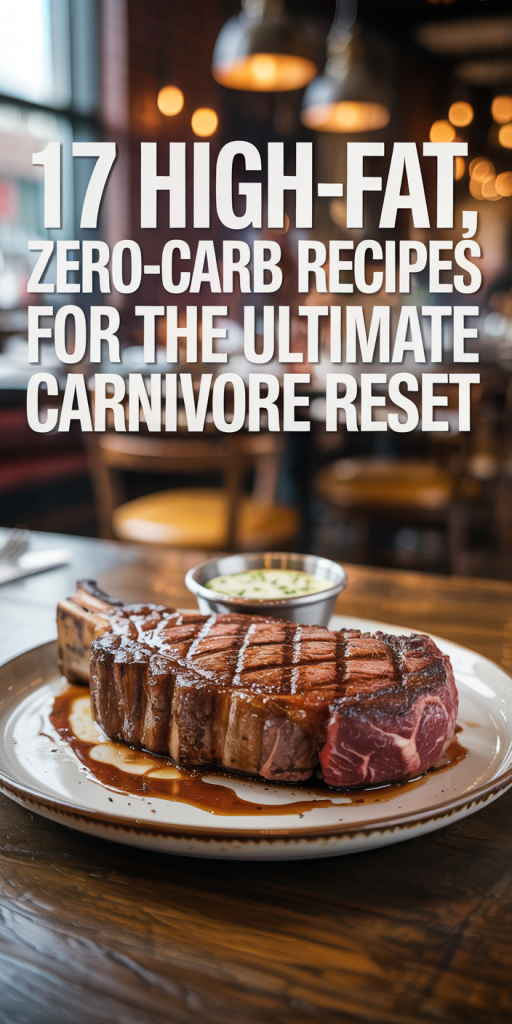
Choose a bone-in ribeye (12–16 oz). Score the fat cap, season only with salt, sear fat-side down in a hot cast-iron pan to render, then sear both sides 1–2 minutes for medium-rare. Add a generous knob of butter, tilt the pan and baste continuously for 1–2 minutes. Rest 5–7 minutes. The fat cap renders into the butter, eat with extra drippings.
2. Slow-Roasted Beef Short Ribs in Beef Tallow
Season short ribs with salt and roast low (275°F / 135°C) for 3–4 hours in beef tallow until tender. Spoon braising fat over meat as it cooks. The result: fork-tender ribs with concentrated fat, serve with a smear of reserved tallow.
3. Crispy Pork Belly Burnt Ends
Cube pork belly, season with salt, roast at 300°F until the exterior crisps and interior is tender. Finish under a hot broiler or in a cast iron skillet to create charred, caramelized edges (no sugar needed, just fat rendering). The contrast between crunchy exterior and silky interior is why pork belly is a reset staple.
4. Pan-Seared Lamb Chops With Herb Butter
Score fat around lamb chops, sear in hot pan until crust forms, then finish with a pat of herb-infused butter (use minced rosemary/thyme sparingly or omit for strict zero-plant if desired: dried herbs are optional). Rest briefly, serve with extra melted butter over the chops.
5. Duck Breast With Super-Crispy Skin
Score the skin deeply, salt, and render slowly skin-side down until the skin is deeply golden and crisp. Finish skin-side up in a hot oven just to desired doneness (medium-rare to medium). Spoon rendered duck fat over the meat when serving.
6. Roasted Prime Rib With Garlic Beef Butter
Slow-roast prime rib at 250°F to desired internal temp, crust the outside at the end with high heat. Compound a butter with roasted garlic (or garlic powder if strict zero-plant) and brush over sliced roast. The marrow-rich jus plus garlic butter makes every slice decadent.
7. Grilled Bone Marrow With Rendered Beef Drippings
Roast marrow bones at 425°F until marrow is soft but intact. Scoop marrow into halves, top with a drizzle of warm rendered beef drippings and a pinch of salt. Eat from the bone with a small spoon, rich, gelatinous, and deeply satisfying.
8. Pork Rind Cracklings (Homemade Chicharrones)
Start with skin-on pork belly pieces or rind. Dry and salt, then render slowly at low heat until fat collapses and skin puffs into crisp cracklings. Drain on paper and salt again if needed. A crunchy zero-carb snack and an excellent texture contrast.
9. Salmon Skin Crisps With Added Wild Fish Fat
Lay salmon skin flat, brush with extra wild salmon oil or melted fish fat, and pan-fry until glassy crisp. The naturally occurring omega fats make this a unique way to get marine lipids on a zero-carb reset.
10. Liver Pâté With Clarified Butter
Sauté beef or chicken livers quickly in butter until just done (slightly pink interior prevents dryness), blend with clarified butter and a pinch of salt until silky. Chill to set. Serve as a fat-forward spread on slices of seared fatty meat or use as a flavor booster in other dishes.
11. Braised Oxtail Rich in Natural Gelatin And Fat
Brown oxtail pieces in tallow, then braise low and slow until connective tissue dissolves, 4–6 hours. The braise produces a gelatinous, fatty sauce perfect spooned over meat for extra calories and mouthfeel.
12. Pan-Fried Pork Cheeks With Pancetta Fat
Render pancetta or use leftover bacon fat, sear pork cheeks until caramelized, finish in low oven until tender. The cheeks are fatty and flavorful, think of them as a beefier alternative to pork belly.
13. Seared Scallops In Browned Butter (Zero Carb Option)
Pat scallops dry, sear in clarified butter until golden, then finish with browned butter for nuttiness. Scallops are low-carb naturally: the added butter ensures we stay fat-forward.
14. Spiced Beef Tallow Fat Bombs (Savory)
Melt tallow, mix in softened lamb suet or butter, add salt and optional smoked paprika or black pepper, chill in molds. Slice or pop as needed for a quick fat hit. These are portable and shelf-stable for short periods.
15. Duck Fat–Fried Eggs With Herb Ghee
Fry eggs in hot duck fat until edges crisp: spoon herb-infused ghee on top. Cook yolks to preference, soft yolks mingle with fat for an ultra-rich bite.
16. Smoked Brisket Burnt Ends Glazed With Rendered Fat Reduction
Cube smoked brisket, toss with rendered brisket fat and a splash of its own jus, then roast until edges crisp and interior remains tender. The reduction of rendered fat concentrates flavor and adds sheen.
17. Bone Broth Gelée With Concentrated Marrow Fat
Simmer knuckle bones, marrow, and aromatics for 12–24 hours, strain and chill. Skim the top for concentrated marrow fat: use the gelée as a snack or meal base. It’s both hydrating and intensely nutrient-dense.
Meal Prep Ideas And Leftover Uses For Maximum Fat Intake
- Reserve and freeze rendered fats in ice-cube trays for portion control and convenience.
- Blend leftover roasts with liver pâté and extra butter to create high-fat slices that reheat quickly.
- Use bone broth gelée as a savory snack between meals or as a base to spoon over reheated meats.
- Turn crispy cracklings into a salad topping replacement (for carnivore-friendly salads, e.g., shredded chicken + egg + fat).
Tips For Staying On Track And Reintroducing Carbs Safely
We know adherence can be the biggest challenge. Below are practical strategies for staying on track and how to reintroduce carbs when the time is right.
Troubleshooting Common Issues (Energy, Digestion, Cravings)
- Energy dips/brain fog: Ensure sodium and hydration are adequate. Try a cup of warm bone broth and an extra pinch of salt.
- Constipation or hard stools: Increase fluids, add bone broth gelée, and consider magnesium citrate short-term. Animal fats usually soften stools: if they don’t, reassess fiber reintroduction or seek medical advice.
- Excessive hunger/cravings: Add another fat-forward snack (fat bombs, marrow). Hunger often resolves in 2–3 weeks as ketone adaptation occurs.
- Unusual symptoms: Rapid heart palpitations or severe lightheadedness warrant immediate electrolyte adjustment and clinician contact.
A Gradual, Measured Approach To Reintroducing Carbs
When we decide to reintroduce carbohydrates, often after 2–12 weeks depending on goals, we do it intentionally. Start with small portions of low-toxin, minimally processed carbs: starchy tubers or ripe fruit, depending on tolerance. Track energy, sleep, and digestion for one week after reintroduction. Increase carbs slowly (10–20 g/day increments) rather than reverting to previous habits. This measured approach helps gauge how carbs affect our weight, cravings, and performance, and prevents an all-or-nothing swing back to processed high-carb foods.
Conclusion
This set of 17 high-fat, zero-carb recipes gives us culinary variety while staying firmly within a carnivore reset framework. The strategy is simple: prioritize fatty cuts, use rendered fats liberally, include organ meats regularly, and employ cooking techniques that render and preserve fat and flavor.
If we approach the reset thoughtfully, monitoring electrolytes, rotating proteins, and using meal-prep strategies, we can make the transition sustainable and even enjoyable. When it’s time to reintroduce carbs, doing so slowly and deliberately preserves metabolic gains and helps us make informed choices about what foods truly serve our performance and wellbeing. Now let’s get cooking: pick one recipe, render some fat, and enjoy the kind of satiating, nutrient-rich meals that make the carnivore reset feel like a culinary upgrade rather than a deprivation.