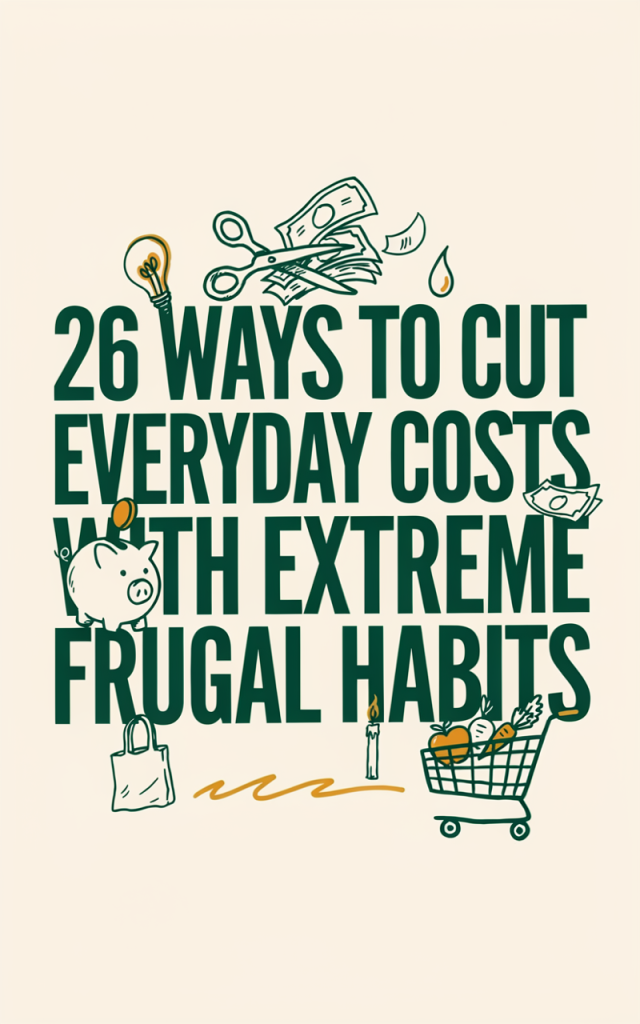
26 Ways to Cut Everyday Costs with Extreme Frugal Habits
When a budget feels tight, the biggest improvements often come from small habits repeated across the home. The ideas below focus on stretching products, reusing useful materials, reducing energy waste, and making more of what you already buy. Choose the suggestions that fit your household, and skip anything that creates a safety, sanitation, or accessibility concern.
1. Dilute hand soap into a foaming refill
Use a foaming dispenser and add a small amount of liquid hand soap with water according to the dispenser’s design. The lighter mixture spreads easily, so one bottle can last much longer while still making handwashing convenient.
Explore this resource
2. Repurpose the cotton packed in pill bottles
Keep the clean cotton tucked inside new medicine bottles and use it for small household jobs such as applying polish, cleaning narrow areas, or removing makeup. Store it in a clean, dry container until needed.
3. Harvest the last product from tubes and bottles
When lotion or toothpaste seems finished, cut the container open rather than throwing it away. Scoop the remaining product into a small lidded jar and use it before opening a replacement.
4. Turn cereal liners into kitchen barriers
Wash and dry clean cereal liners, then cut them open for separating freezer foods, layering cookies, or covering a work surface while flattening meat. A liner can also protect the bottom of a trash can from sticky leaks.
5. Rinse nearly empty condiment and drink containers
Add a little water or another compatible liquid to bottles of ketchup, mustard, barbecue sauce, creamer, cream, or chocolate syrup. Shake well and use the flavorful rinse in a meal or drink, while avoiding cross-contamination and spoiled ingredients.
6. Pause the shower while lathering
Turn the water off while shampooing, conditioning, or soaping up, then turn it back on to rinse. This simple timing change cuts water use without shortening the actual cleaning routine.
7. Match the burner to the cookware
Place small pots and kettles on the smallest burner that safely fits them. Keeping the flame or heating element under the base concentrates heat on the pan instead of warming unused space.
8. Cut worn linens into reusable cleaning cloths
Give old towels, cotton shirts, sheets, and pillowcases a second job by cutting them into manageable squares. Use thick towel pieces for floors and bathrooms, soft shirts for dusting, and smoother cotton fabric for mirrors and windows.
9. Give plastic grocery bags several practical jobs
Clean, intact shopping bags can line small bins, cushion packages, protect paint trays, wrap a brush between coats, or contain pet and diaper cleanup. Reuse them only when they are clean enough for the task and dispose of damaged bags responsibly.
10. Use residual oven warmth carefully in winter
After baking, leave the oven door ajar only when the appliance is off, the area is supervised, and children and pets cannot reach it. The leftover warmth may make a small contribution to room comfort, but it should never replace safe heating practices.
11. Reserve the blank side of printed paper
Collect one-sided sheets in a tray for grocery lists, calculations, children’s artwork, game scores, or drafts. Reusing the paper before recycling reduces the number of fresh sheets your household buys.
12. Reuse bread and tortilla packaging
Shake crumbs from clean bread and tortilla bags and reuse them for sandwiches, homemade loaves, picnic food, pet-waste pickup, or other short-term storage. Check that the packaging is dry and odor-free before putting food inside.
13. Wash and reuse resealable bags
Bags that held dry, non-greasy foods can often be washed, dried completely, and used again. Do not reuse bags that contained raw meat or foods that leave hard-to-clean residue; use judgment based on sanitation rather than savings alone.
14. Scrape jars and bottles with a mini spatula
A narrow spatula reaches the corners of mayonnaise jars, cosmetics, sauces, and other containers. Transfer the final usable portion into the meal or storage container instead of diluting good product unnecessarily or discarding it prematurely.
15. Give empty glass jars a storage role
Clean pickle, pasta-sauce, and salsa jars can hold leftovers, dry beans, homemade mixes, or small pantry portions. Remove labels if desired, inspect for chips, and let jars cool before adding hot food to avoid thermal shock.
16. Save protective foam mailers for future packing
Flatten clean foam mailers and keep them with shipping supplies. They can cushion fragile items during a move, protect seasonal décor, or add a moisture-resistant layer around a package without buying new packing material.
17. Convert mesh produce bags into scrubbers
Rinse and knot several clean mesh fruit bags together to make a textured pot scrubber. Use it on cookware that can tolerate the texture, and discard it when the mesh frays or becomes difficult to sanitize.
18. Test dryer lint fire starters with caution
For an outdoor fire where local rules permit it, some people pack dry lint into a cardboard tube as a starter. Dryer lint can contain synthetic fibers and household residues, so never burn it indoors, near structures, or where smoke and sparks pose a hazard.
19. Consolidate unopened restaurant condiment packets
Keep clean, unopened ketchup and mustard packets in a small container and use them before buying another bottle. Squeeze several packets into the matching condiment bottle when appropriate, checking dates and storage condition first.
20. Control shampoo portions with a pump bottle
Move shampoo or body wash into a pump dispenser that releases a modest amount. A single-pump rule helps children and adults use a consistent portion, reducing the waste caused by squeezing out more than needed.
21. Make coffeehouse-style drinks at home
Prepare regular coffee, iced coffee, lattes, or flavored drinks at home with ingredients you already enjoy. Brew extra coffee for chilling, use measured milk or creamer, and treat syrups and whipped toppings as optional additions rather than daily necessities.
22. Buy gift and seasonal supplies after the holiday
Shop clearance shelves after major holidays for wrapping paper, baskets, cards, décor, and small gifts. Store the supplies in labeled bins so they are available next year instead of being forgotten or repurchased at full price.
23. Replace disposable items with washable alternatives
Use launderable cloths instead of paper towels, reusable dryer balls instead of single-use sheets, and regular dishes instead of paper plates when practical. For personal-care products, choose reusable options only after considering fit, cleaning, comfort, and health needs.
24. Learn a few high-value homemade staples
Making selected basics from scratch can lower costs and give you control over portions. Good starting points include chocolate syrup, baking mix, whipped topping, cake, refried beans, and creamy sauce; choose recipes that use ingredients you already keep and that your household will actually consume.
25. Activate cashback before planned online purchases
Before buying an item you already need, check whether a reputable cashback service offers a reward for that retailer. Record the expected rebate, compare the final price, and never add unnecessary items merely to chase a percentage back.
26. Make modest thermostat adjustments
Set heating and cooling to a temperature your household can safely tolerate, then use layers, blankets, fans, or window coverings for comfort. Change the setting gradually and keep health, pets, infants, and extreme outdoor conditions in mind rather than pursuing the lowest possible number.
Extreme frugality works best as a collection of flexible habits, not a contest to eliminate every convenience. Start with the changes that save money without adding risk or unreasonable effort, track which ones make a noticeable difference, and build a home routine around reuse, careful portions, and thoughtful energy use.