8 Ways to Build a Family Grocery Haul on a $225 Monthly Budget
A tightly managed grocery budget works best when it is treated as a system rather than a single shopping trip. By planning around sale prices, keeping a modest stockpile, preserving seasonal food, and tracking savings across several stores, a family can make a limited food budget stretch much further without relying on one perfect coupon. The examples below show how to turn ordinary weekly shopping into a practical rhythm of buying, storing, and using food wisely.
1. Create a small stockpile around genuinely useful sale items
Stockpiling does not mean buying everything in sight. Choose foods your household already uses, then purchase a few extra packages when the after-discount price is unusually low. Pantry staples, frozen vegetables, peanut butter, pasta, and similar foods can cover future meals, allowing the next grocery trip to focus on fresh items instead of starting from zero. Set a quantity limit and a storage plan so the bargain does not become waste.
Explore this resource
2. Buy seasonal produce and bulk proteins with a preservation plan
When meat, fruit, or vegetables are inexpensive and in season, buying a larger amount can lower the cost of future meals. Divide meat into meal-sized portions for the freezer, and freeze or can produce before quality declines. Keep a simple inventory of what is stored so preserved food becomes part of regular menus rather than being forgotten in the back of the freezer.
3. Build each deal by stacking compatible discounts
The strongest savings often come from combining a store sale with one manufacturer coupon and, when the rules allow, a store coupon or rebate offer. Read the terms before checkout: a manufacturer coupon generally cannot be duplicated on the same item, and offers may have quantity limits or expiration dates. Treat rebates as a bonus to verify, not money that has already been saved until it is credited.
4. Clip digital offers before you leave home
Store-card coupons can be easy to overlook because they are not printed. Before shopping, open the loyalty account, clip relevant offers, and review the fine print. Clipping broadly can help with an unplanned purchase, but a short list of targeted offers is easier to track. Save a screenshot or note the required size and quantity when an offer has detailed conditions.
5. Use rain checks when a great sale is out of stock
A rain check can preserve the sale price until the store replenishes an item. Keep the document with the coupons you expect to use, then wait until both the product and a useful discount are available. This approach is particularly helpful for household supplies, because it prevents a sold-out promotion from forcing you to pay full price elsewhere.
6. Turn a conventional supermarket trip into a planned haul
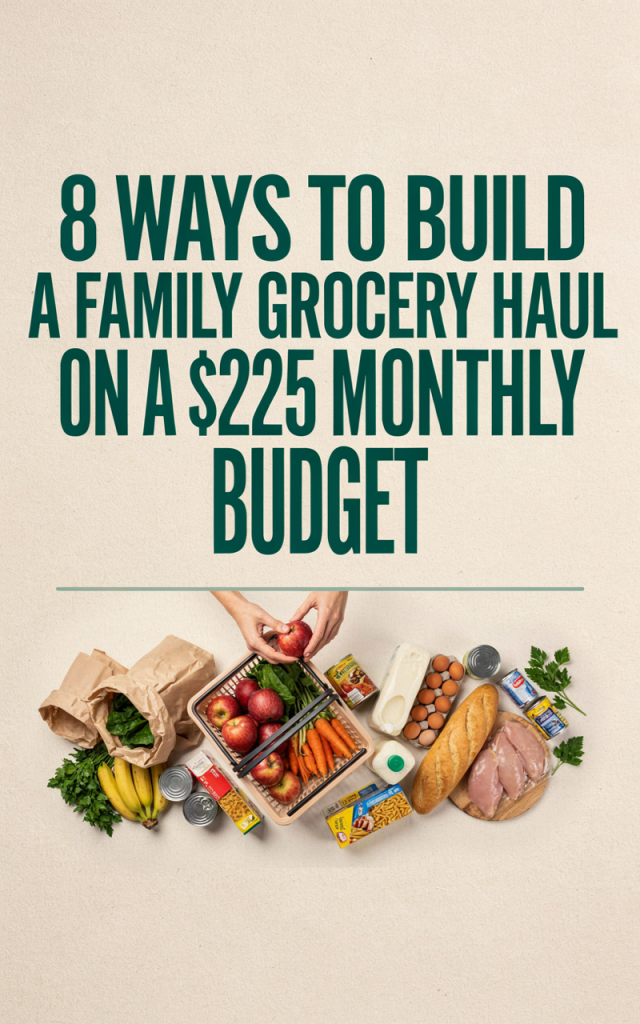
A sample supermarket trip can include inexpensive milk alternatives, pasta sauce, a free or deeply discounted vegetable blend, pasta, peanut butter, tissues, and wipes while still producing meaningful savings. The important practice is to record the shelf price, coupon value, sale discount, and any reward separately. That record shows whether the final cost is truly lower and helps identify which categories are worth watching during the next sales cycle.
7. Pair coupon deals with the fresh foods your family actually needs
A second store trip can balance promotional snacks and packaged foods with practical produce such as apples, bananas, and carrots. Buy only the amount your household can use, and let the weekly menu determine whether a bargain belongs in the cart. Free items or money-making offers can be useful, but they should not crowd out nutritious staples or create purchases that would not otherwise serve a purpose.
8. Compare nearby stores and freeze extras strategically
Prices can vary between branches of the same discount chain, so compare a few frequently purchased items when several locations are convenient. A lower-priced store may justify an occasional stock-up trip, while a nearby store may still win after fuel and time are considered. Milk, bread products, herbs, and other suitable foods can be frozen when bought ahead, but label dates and quantities so the savings remain practical and safe to use.
A low grocery budget is sustained by repeatable decisions: buy familiar foods at their best prices, preserve what you cannot use immediately, layer discounts within store rules, and compare the real cost of each shopping route. Keep a running pantry and freezer inventory, plan meals around what is already available, and measure savings by the final amount spent rather than by the size of the coupon stack. With that structure, a weekly haul becomes one part of a flexible monthly food plan instead of an isolated bargain hunt.