When we think about creating a serene and functional space, our kitchen often becomes a focal point. Its design influences both our cooking and living experiences. Minimalism, with its clean lines and uncluttered surfaces, offers a way to enhance this vital area of our home. In this post, we’ll explore nine captivating minimalist kitchen design ideas that can transform our cooking space into a stylish sanctuary, facilitating creativity while maintaining functionality.
Understanding Minimalist Design Principles
At the heart of minimalist design lies a philosophy that emphasizes simplicity, functionality, and sustainability. We focus on what’s essential, stripping away the excess. This approach not only enables a more calming and efficient environment but also invites creativity without distraction. To embrace minimalism in our kitchens, we should consider the following principles:
Clean Lines and Clutter-Free Spaces
Minimalist design champions clean lines and open spaces. We organize our kitchens in a way that allows for fluid movement and accessibility, minimizing visual noise.
Functional Design
Every element in a minimalist kitchen serves a purpose. Our design choices, whether it’s cabinetry, fixtures, or appliances, should contribute to the overall functionality without overwhelming the space.
Neutral Color Palettes
Neutral colors are a hallmark of minimalism, offering a soothing aesthetic. Whites, soft grays, and beiges create a sense of tranquility, making the kitchen an inviting place for culinary adventures.
By considering these principles, we can lay a strong foundation for our minimalist kitchen journey.
1. Open and Airy Layouts
One of the core tenets of a minimalist kitchen is an open and airy layout. By eliminating unnecessary walls and barriers, we can create a seamless flow that enhances both space and functionality.
Maximizing Space
We can start by incorporating an open floor plan that merges the kitchen with adjacent living or dining areas. This openness encourages interaction and makes the kitchen feel larger and more inviting.
Smart Zoning
Defining zones, such as cooking, cleaning, and preparation areas, allows us to use space effectively while ensuring everything is easily accessible. We can integrate a kitchen island that serves as both a workspace and a gathering spot, contributing to an open atmosphere.
Personal Touches
Even within an open space, incorporating personal touches can enhance the minimalist aesthetic. A well-placed piece of art or thoughtfully chosen décor can add character without cluttering the view.
2. Monochromatic Color Schemes
Opting for a monochromatic color scheme can profoundly affect the overall ambiance of our minimalist kitchen. By choosing shades of a single color, we create elegance and warmth while maintaining a streamlined look.
Shades of White and Gray
White is a classic choice in minimalist kitchens. Paired with varying shades of gray, it can create depth and interest while remaining soothing. We can use white cabinetry, gray countertops, and textured white backsplash to maintain this aesthetic.
Accent Colors
While a monochromatic palette is dominant, we can still introduce subtle accent colors through our choice of appliances or accessories. A muted blue or soft green can add a refreshing touch without overwhelming the space.
3. Sleek Hardware and Fixtures
Choosing the right hardware and fixtures is crucial in achieving a minimalist look in our kitchen. Sleek lines and simple designs add to the overall aesthetic without detracting from the minimalist vibe.
Handleless Designs
Opting for handleless cabinetry creates clean lines and enhances the sleekness of our design. Push-to-open systems can streamline the look, ensuring our kitchen feels modern and clutter-free.
Minimalist Faucets
When it comes to fixtures, we should select faucets with simple silhouettes. A matte black or brushed nickel finish can complement our minimalist design while providing functionality that we can rely on.
Quality Over Quantity
We should invest in high-quality hardware that not only looks good but also lasts, adding to the sustainability aspect of minimalism.
4. Functional Minimalism with Smart Storage Solutions
Minimalism doesn’t mean sacrificing storage. In fact, functional minimalist kitchens thrive on clever storage solutions that keep our essentials organized and out of sight.
Built-In Cabinets
Integrating built-in cabinetry can maximize space and maintain a sleek appearance. We can design cabinets that reach the ceiling to eliminate dust accumulation on top and provide more storage.
Drawer Organizers
Using drawer organizers helps us keep utensils, pans, and other kitchen essentials sorted and easily accessible. This practice maintains order and prevents clutter from taking over our kitchen surfaces.
Open Shelving
Incorporating open shelving can also enhance storage while allowing us to display our favorite dishes or cooking tools, offering a personal touch that remains uncluttered.
5. Streamlined Appliances
Appliances can be a major distraction in our kitchen if they disrupt the streamlined aesthetic. Choosing appliances that fit cohesively into our design is crucial.
Built-In Appliances
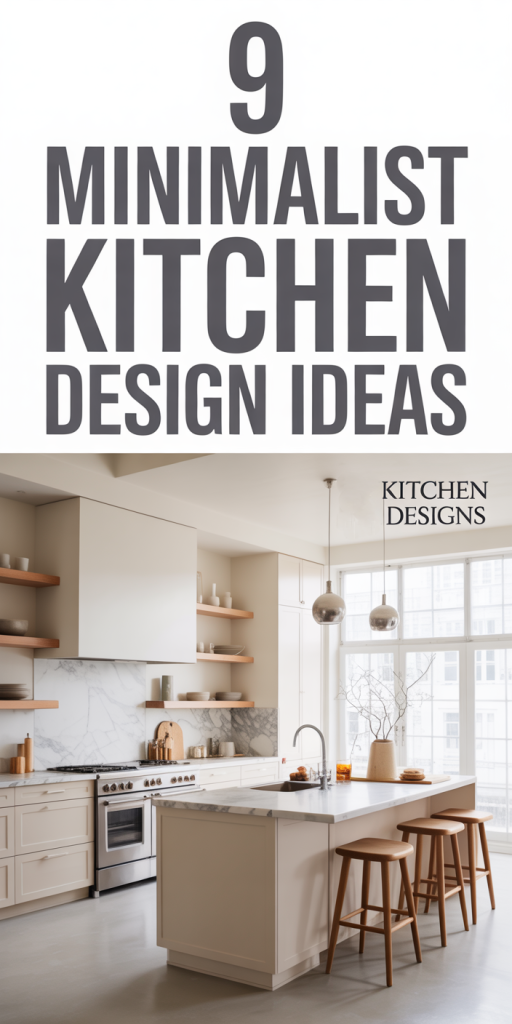
Incorporating built-in appliances, like ovens and dishwashers, can create a seamless appearance. This integration ensures that our kitchen maintains its minimalist vibe while still being fully functional.
Compact Options
For those of us with limited space, investing in compact or multifunctional appliances can maximize utility without compromising style. Consider under-counter refrigerators or small countertop appliances that are easy to store.
Color Coordination
Selecting appliances that match our color scheme can also blend them into the design, further enhancing the minimalist look we aim to achieve.
6. Natural Materials and Textures
In a minimalist kitchen, natural materials can introduce warmth and character while adhering to simplicity. We can choose materials that convey a sense of organic beauty.
Wooden Elements
Incorporating wood, whether through cabinetry, countertops, or flooring, adds warmth and texture. We can select light-colored woods for a bright, airy feel or rich, dark woods for a cozy ambiance.
Stone Surfaces
Natural stones, such as granite or quartz, provide durability and a refined look. A simple stone countertop can serve as a focal point in our kitchen without overwhelming it with patterns.
7. Minimalist Backsplash Designs
The backsplash in our kitchen may seem like a small detail, but it plays a significant role in the overall design. Choosing a minimalist backsplash can elevate the space beautifully.
Simple Tiles
Using simple, uniform tiles in a neutral color can maintain the minimalist ethos while providing functional protection from spills and splatters.
Large Format Tiles
Alternatively, large format tiles can minimize grout lines, creating a sleek and modern look. We can even extend the backsplash to the ceiling for an impressive visual effect.
8. Incorporating Greenery
Adding greenery to our minimalist kitchen not only enhances the aesthetic but also brings life into the space. Plants can help purify the air and make our environment feel more alive.
Herb Gardens
Consider incorporating a small herb garden on a kitchen windowsill or hanging planters. This approach is functional, as we can use the herbs in cooking, while also being visually appealing.
Low-Maintenance Plants
We can choose low-maintenance options like succulents or snake plants that complement our design and require minimal care while providing greenery.
9. Lighting as a Design Element
Lighting plays a transformative role in our minimalist kitchen. Thoughtfully chosen fixtures can serve as both functional tools and striking design elements.
Layered Lighting
We should consider incorporating layered lighting – ambient, task, and accent. Pendant lights above an island can serve as a focal point, while under-cabinet lighting enhances functionality.
Architectural Features
Also, indirect lighting can highlight architectural features, such as textured walls or unique cabinetry, enhancing the overall beauty of our minimal kitchen design.
Conclusion
A minimalist kitchen embodies simplicity, functionality, and aesthetic appeal, creating an environment that fosters creativity and comfort. By thoughtfully integrating these nine design ideas, we can transform our kitchens into serene spaces that reflect our personal style. Embracing minimalism doesn’t mean sacrificing warmth or personality: rather, it allows us to focus on what truly matters, making our kitchen a central hub for culinary exploration and shared experiences.