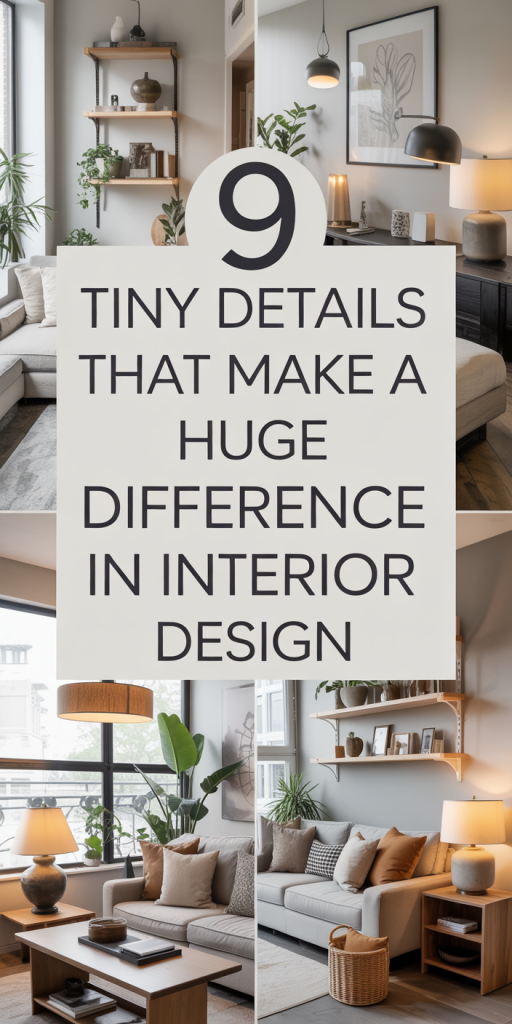
When it comes to interior design, the devil is in the details. We often focus on the big picture, color schemes, furniture pieces, and room layout, but it’s those tiny elements that truly elevate a space. In this text, we’ll explore nine subtle yet impactful details that can transform our interiors into stunning, cohesive environments. Let’s jump into how these aspects can turn a standard room into a well-crafted home filled with personality and warmth.
Understanding The Importance Of Details
The importance of details in interior design can’t be overstated. Although we might not consciously notice them, details create a feel and narrative in our spaces. They reflect our personality, taste, and the atmosphere we want to convey. From the soft textures we choose to the unique accessories we display, emphasizing these subtle nuances can make a significant difference. In fact, meticulous attention to detail often distinguishes a professional-looking space from a DIY project. When we understand the significance of these details, we can approach our design projects with a keen eye and a deeper appreciation.
1. The Impact Of Color Choice
Color is arguably one of the most influential aspects of interior design. It sets the mood, defines the atmosphere, and can even impact our emotions. When we select a color palette for our spaces, it’s essential to consider not only trending hues but also how they work together.
For instance, warm colors like reds and oranges can energize a room, while cool tones such as blues and greens can promote calmness. Small tweaks, like adding a contrasting accent wall or mixing in some pastel accessories, can evoke different feelings throughout our home. A careful balance of these elements leads to a harmonious and inviting environment.
2. Textures That Transform Spaces
Textures play a critical role in adding depth and visual interest. When we think of textures, we might immediately consider fabrics like velvet, linen, or leather, but there’s more to it. Incorporating various materials, wood, metal, glass, can create an engaging tactile experience in our interiors.
Utilizing contrasting textures in small doses can make a big impact. For example, pairing a soft wool throw with a sleek leather chair can create a balanced aesthetic that draws the eye. Emphasizing different textures not only enhances the room’s character but also adds a layer of comfort, making our spaces inviting and lived-in.
4. The Role Of Scale And Proportion
Scale and proportion are vital principles in interior design that we should never overlook. Understanding how items relate to one another in scale is crucial. A tiny coffee table juxtaposed with an oversized sectional can feel off-balance, leading to a strange, uncomfortable layout.
By thoughtfully selecting furniture that aligns in scale with the room size, we create pleasing proportions that flow harmoniously. A well-sized piece can serve as a functional and aesthetic focal point, allowing other elements to complement its presence rather than compete. We should always keep in mind that balance and harmony thrive in correctly scaled environments, enhancing the overall appeal.
5. Accessories That Add Character
Accessories are the little treasures that breathe life into our spaces. They have the power to tell our story, showcase our travels, and reveal our interests. By carefully curating accessories, we infuse our personality into the design. From unique sculptures to vintage books or handwoven baskets, these elements can create points of interest in our interiors.
When selecting accessories, we should aim for variety, mixing shapes, sizes, and materials will keep things dynamic. Plus, having cohesive colors can tie disparate pieces together, ensuring they feel like part of a larger narrative that belongs to us.
6. The Power Of Patterns
Patterns can instantly elevate a space, adding visual tension and vibrancy. Whether we opt for geometric prints, floral motifs, or subtle textures, introducing patterns can break the monotony of solid colors and create a lively atmosphere. We can incorporate patterns through various means, such as upholstery, wallpaper, or rugs.
But, it’s essential to strike a balance. Too many clashing patterns can lead to chaos rather than cohesion. One way to harmonize patterns is by ensuring a consistent color palette across different pieces. This allows us to play with various designs while maintaining an overall unified look.
7. Thoughtful Furniture Arrangement
The way we arrange furniture can either enhance or hinder the flow of a space. A well-thought-out arrangement encourages movement and conversation while also establishing purpose within a room. We must consider the function of the space and the natural traffic flow when positioning our furniture.
Laying out furniture in a way that promotes interaction, like facing chairs toward each other in a living room, creates inviting spaces that feel sociable. It’s also wise to leave ample space between pieces, allowing effortless movement throughout the area. Thoughtful furniture arrangement invites us to enjoy our spaces fully and encourages connection.
8. Personal Touches And Artwork
Artwork and personal touches convert a house into a home. Displaying our favorite pieces, family photos, or meaningful artifacts invites a sense of warmth and personalization that generic decor cannot replicate. When we curate our art selections intentionally, they resonate with our life stories, enriching the emotional quality of our environment.
We can not only focus on the large pieces that often serve as focal points but also intersperse smaller artworks along shelves or in unexpected places to keep the viewers engaged. Ensuring our artwork is positioned at eye level enhances its impact, drawing attention in a pleasant, natural manner.
9. Space Planning And Flow
Effective space planning takes into account not only how a room looks but how it feels to move through it. We must be mindful of how different areas connect and interact with one another. This consideration enhances both functionality and aesthetics.
Open floor plans can benefit immensely from strategic space planning: defining zones with furniture arrangement, rugs, or decorative dividers can establish distinct areas while maintaining a spacious feel. By ensuring a logical flow, we enhance our daily experience in these spaces, making them more functional and enjoyable.
Conclusion
As we discover the realm of interior design, we learn that even the tiniest details can have a monumental impact on our spaces. From color and texture to the way we arrange our furniture, these elements play a critical role in crafting a cohesive and inviting environment. By embracing these details, we not only improve aesthetics but also enhance how we feel in our homes. As we move forward with our design projects, let’s keep these nine details in mind, ensuring our interiors are a true reflection of who we are and how we live.