Clay Projects to Craft and Sell: 17 Small-Batch Ideas for Makers
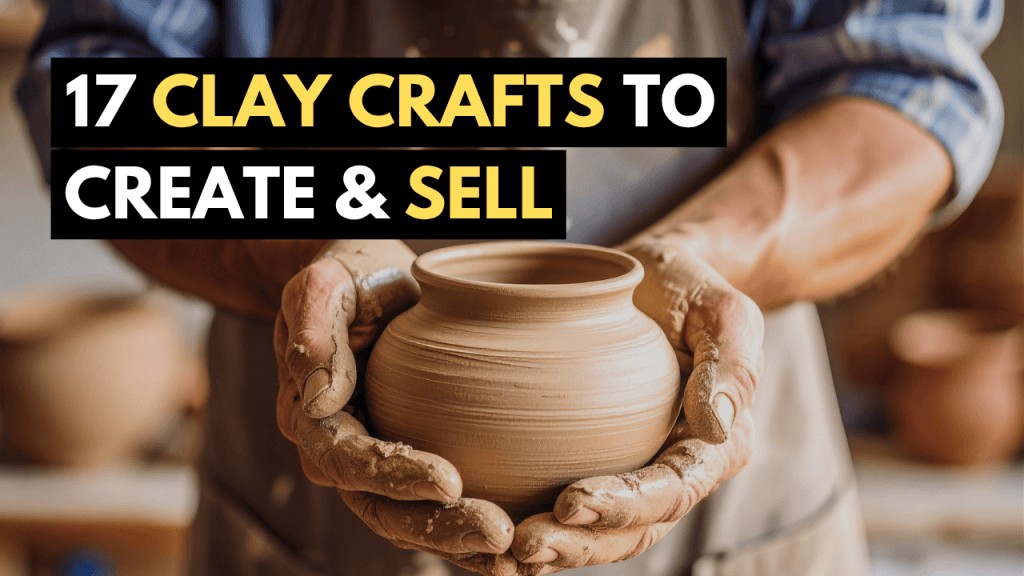
Working with air-dry or oven-bake clay lets you turn a hobby into products that are easy to photograph, ship, and list online. Many buyers look for handmade touches, functional pieces, and affordable home accents—so focusing on small, polished items can be a practical way to test the market without a large studio or heavy equipment.
Start by mastering a handful of repeatable shapes and finishes so you can produce consistent batches. Small items that combine usefulness with visual appeal tend to move faster and are simpler to package; larger decorative pieces usually command higher prices but require more time and finishing.
Below are 17 clay project ideas, each with practical steps, finishing tips, and selling considerations to help you choose where to begin and how to expand your offering thoughtfully.
1. Functional Coaster Sets — Practical, Batch-Friendly, and Giftable
Coasters are used every day and are an easy way to blend form and function. Make them in uniform sizes so they stack neatly for photos and shipping. Working in sets (pairs or fours) increases perceived value and keeps inventory simple.
Tool tips: use a round cutter or a template to keep edges clean. After baking, sand edges gently and apply a food-safe or water-resistant sealer to prevent staining. Offer coordinating patterns—marble, speckled terrazzo, or tonal glazes—to encourage bundle purchases and gift sets.
Ready to Build a Flexible Income Stream?
2. Lightweight Clay Earrings — Fast to Produce and Highly Customizable
Clay earrings are attractive to shoppers because they’re comfortable to wear and photograph well. Start with simple geometric shapes to establish a signature look, then expand into textured or layered pieces. Keep thickness thin to reduce weight and baking time.
Finishing matters: sand edges smooth, and use a quality jewelry glue to attach posts or hoops. Consider offering hypoallergenic earring posts and photographing with scale (ear molds or a simple card) so buyers can judge size. Packaging in small branded cards improves presentation and protects pieces in transit.
3. Mini Plant Trays — Small Add-Ons for Plant Lovers
Plant trays or drip saucers are quick to make and appeal to indoor gardeners who want matching accessories. Create a few standard sizes to fit common pot diameters, and label products with measurements so buyers can choose the right fit.
Design notes: shallow rims and a slight lip stop water running off. Seal trays with a waterproof finish to prevent clay absorption and staining. Consider listing trays alongside plant pots or offering a matching starter bundle to increase average order value.
4. Trinket Dishes — Versatile for Gifts, Jewelry, and Home Decor
Trinket dishes are fast to shape and highly giftable. Try a variety of forms—ovals, hexagons, or themed shapes like leaves—and keep the center shallow so rings and small items rest visibly. Small variations in texture or color let you offer a range without retooling production.
Practical finishing: smooth the surface before baking, then apply a clear or tinted seal to bring out color and protect the piece. Photograph dishes styled with jewelry or keys to show scale and usage; multi-product images that pair a dish with a matching coaster or tray can inspire shoppers to buy more.
5. Jewelry Organizers — Ring Cones, Dishes, and Minimal Stands
Small jewelry holders like ring cones or multi-slot trays combine decorative appeal with everyday usefulness. Keep profiles stable—wider bases and lower centers minimize tipping. Neutral colors and matte finishes are popular for bedside or dresser pieces.
Production tips: make a prototype to test stability before baking a whole batch. If producing cones, make several sizes to sell individually or in sets. Highlight functional features in listings (e.g., number of rings it holds) so buyers understand the benefits beyond aesthetics.
6. Mini Sculptures — Character Pieces to Build Brand Personality
Small sculptural pieces—animals, mushrooms, abstract forms—are slower to produce but can define your shop’s aesthetic. Consider creating themed drops or collections to give customers a reason to return and collect related pieces.
Because small figures often rely on detail, invest time in refining fine elements and use a reliable baking schedule to avoid cracking. Price these for their time and uniqueness rather than volume; limited runs or numbered editions can justify higher price points.
7. Decorative Magnets — Bundle and Display Small Collections
Magnets are inexpensive to make and ideal for selling in sets. Attach strong, flat magnets to the back of thin clay shapes and finish edges for a polished look. Consider seasonal themes or color-coordinated packs to encourage multi-item purchases.
Shipping is simple for magnets—use padded envelopes and protect fronts with a rigid backing to avoid breakage. Display them on a small board for product photos to show how they look in use and to suggest grouping ideas to buyers.
8. Hair Accessories — Stylish Clay Clips and Durable Bases
Clay hair clips are a fashionable product that pairs well with accessory-focused shops. Create balanced shapes so the clip sits flat against the head; overly heavy pieces will slip or be uncomfortable. Use sturdy metal clip bases and test the bond between clay and metal.
Avoid weak adhesives—use industry-recommended glue and press pieces firmly while curing. Offer a few classic colorways and a seasonal or statement design to appeal to different customers. Display clips on hair or a neutral card to help buyers imagine usage.
9. Phone Grips and Pop-Style Accessories — Trend-Compatible Small Items
Phone grips are a trendy small product with lots of visual appeal. Make sure the adhesive you choose is rated for long-term attachment and test it across different phone materials. Keep designs flat and smooth where they meet the adhesive pad to ensure a secure bond.
Consider offering removable adhesive options or including a spare pad as part of the package. Photograph grips on phones with different cases to show compatibility and scale, and avoid any claims about universal adhesion—encourage customers to test on their own devices.
10. Personalized Keychains — Simple Customization That Sells Emotionally
Custom keychains with initials, names, or short phrases are popular for gifts and events. Keep the base shape simple and add text via hand-cut letters, stamps, or thin rolled shapes. Clear communication about personalization options and turnaround times reduces customer confusion.
Batch management: pre-make common shapes then add personalization on order to balance efficiency and customization. Use legible typefaces and tidy finishing so names remain readable; provide spelling confirmation in your product listing to prevent errors.
11. Candles and Candle Holders — Create Cozy, Photogenic Pairs
Candle holders can range from minimalist tea-light dishes to sculptural votives. Make sure candle wells fit standard candle sizes snugly and that walls are thick enough to avoid heat damage. Test with actual candles to confirm safety and stability before listing.
Finish with heat-tolerant glazes or sealers and clearly state materials and intended candle types in descriptions. If selling with candles, consider partnerships with local candle makers for bundled offerings and cross-promotion.
12. Incense Holders — Niche Items for Wellness and Home Fragrance Buyers
Incense holders are compact projects that attract buyers interested in home rituals. Designs can be minimal stick holders or trays that catch ash; ensure holders sit level and that holes or slots are angled to hold sticks steadily.
Because incense can leave residue, seal the surfaces fully and include care instructions to reassure buyers. Present holders in styled images alongside plants or candles to convey the calming context of the product.
13. Bookmark Charms — Small, Affordable Tokens for Book Lovers
Bookmark charms are lightweight, low-cost items that pair well with other small gifts. Attach a clay motif to ribbon, elastic, or a metal clip for a practical accessory. Keep charm sizes slim to avoid bulk inside books.
Offer themed sets—literary symbols, initials, or seasonal motifs—and price them so they’re easy add-ons at checkout. Photograph charms in situ (peeking from a book) to show scale and use, which helps bookish buyers connect with the product.
14. Wall Hangings — Statement Pieces that Showcase Composition Skills
Clay wall hangings let you assemble multiple elements into a single, larger product. Keep connections secure—use cord or metal hardware embedded into the clay before baking or attach with a sturdy adhesive afterward. Consider weight when choosing materials for mounting.
Design for contrast and balance: combining shapes, textures, and neutral palettes often appeals to interior shoppers. Offer size variations and clear hanging instructions to make installation straightforward for buyers.
15. Desk Organizers and Pen Holders — Larger Pieces with Higher Perceived Value
Pen holders and desktop organizers require more material and time but can be priced higher to reflect that. Prioritize stability—wider bases, even weight distribution, and smooth interiors make these products feel premium. Consider compartments for different items (pens, sticky notes, clips).
Because these are larger, shipping costs rise: incorporate sturdy packaging with cushioning and consider offering local pickup options if feasible. Highlight functionality in listings and show the organizer in use on a styled desk to convey scale and purpose.
16. Picture Frames — Personalized Decor with Emotional Appeal
Clay picture frames are decorative and often purchased for special occasions. Keep the viewing area standard (e.g., 4×6) and design the border so it can be customized with textures, names, or small motifs. Reinforce the back with a wooden or cardboard backing to secure photos in place.
Because personalization increases perceived value, offer options such as color palettes, raised details, or engraved messages. Provide instructions for inserting photos and include protective packaging so glass or fragile elements aren’t damaged in transit.
17. Candle Snuffers and Small Ritual Tools — Unique Additions for Niche Shoppers
Candle snuffers and similar small ritual tools are specialty items that pair well with candles and home-fragrance products. Design them to feel tactile and sturdy—rounded edges and balanced weights convey quality. Test different forms to find what fits comfortably in hand.
Because these pieces often appeal to collectors, consider offering variations (size, motif, finish) and clear descriptions about intended use. Present product bundles with complementary items to introduce these niche tools to a wider audience.
Picking one or two product types to perfect will help you establish a consistent brand and streamline production. Start with items that match your available time and budget—small accessories move quickly while larger pieces can build your premium lineup.
As you develop a catalog, pay attention to finishes, packaging, and clear product photos; those elements often influence buyer confidence as much as the design itself. With steady practice and thoughtful presentation, clay making can become a sustainable creative outlet and a source of steady sales.