11 Practical Ways to Make Instacart Shopping Work as a Part-Time Side Hustle
Grocery delivery can turn familiar errands into flexible supplemental income, but the work is more than picking up a few bags. A successful shopper needs to qualify, learn the app, evaluate each batch, communicate clearly, protect perishable food, and track the real costs of driving. The ideas below recast one shopper’s experience as a practical starting guide, while remembering that pay, policies, availability, and local demand can change over time.
1. Set a Clear Income Goal Before You Open the App
A daily or weekly target gives the work structure and helps you decide when enough is enough. One shopper aimed for roughly $100 to $125 on a workday and about $600 for the week, sometimes reaching the weekly goal in three or four days and taking the remaining days off. Treat that kind of result as a personal example rather than a promise: your hours, location, order quality, expenses, and demand will determine what is realistic. Write down a target, a maximum number of hours, and a minimum batch value that makes the effort worthwhile.
Explore this resource
2. Check the Practical Requirements First
Before applying, confirm that you meet the current age requirement in your state, have a compatible and reasonably modern smartphone, can safely lift substantial grocery loads, and are comfortable providing courteous customer service. Full-service shopping also requires access to a vehicle, and shoppers must follow the platform’s food-safety rules. These details matter because a side hustle is only useful when it fits your physical abilities, transportation, and household schedule.
3. Use the Approval Period as Training Time
The application generally asks for identity, driving, tax, and payment information and may include a background check. Approval timing can vary, so use the waiting period productively: select the appropriate shopper role, watch every available training lesson, and explore the app’s menus before accepting a real order. Pay particular attention to checkout procedures, substitutions, cold-bag expectations, safety guidance, and store-specific instructions. Familiarity reduces the panic that can come with a first batch.
4. Choose Batches by Total Effort, Not Headline Pay
When batches appear, compare the displayed payment, tip, item count, store location, delivery miles, heavy items, and likely shopping time. A larger payout can lose its appeal if it requires a long drive, a difficult apartment delivery, or a crowded store. If your area has limited availability, consider driving to a nearby delivery zone, but calculate the unpaid trip before committing. A useful routine is to begin near a busy store and look for a final order that sends you toward home rather than adding a separate return trip.
5. Shop in a Deliberate Store Order
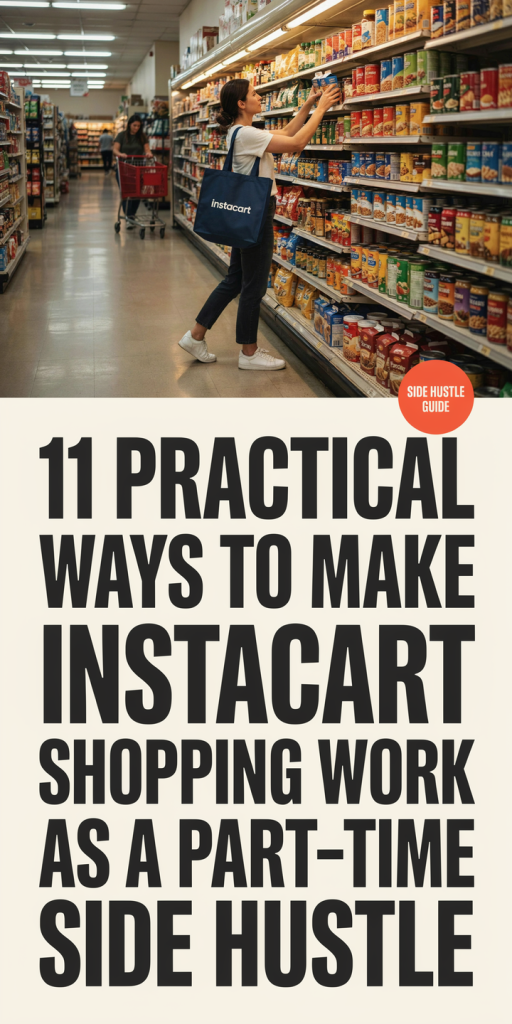
The app’s list is organized around the store layout, so follow its aisle sequence instead of repeatedly crossing the building. A practical rhythm is to request deli items early, shop shelf-stable goods and refrigerated products in a logical route, and collect frozen items near the end. While waiting for a prepared deli order, pick up nearby items. Group cold and frozen goods together at checkout, keep produce organized, and place eggs, bread, and other fragile foods where they will not be crushed.
6. Handle Substitutions with Fast, Thoughtful Communication
Scan each item as you find it, and use the app’s unavailable-item workflow when something is missing. Review the customer’s preferred replacements, suggest a comparable option when appropriate, or refund the item when no suitable choice exists. A quick message can prevent an unwanted substitution, especially for dietary staples or size-specific products. Clear updates protect the customer’s budget and reduce avoidable rework, while considerate service can improve the overall experience.
7. Complete Checkout and Delivery Like a Quality-Control Step
After the customer has responded to replacement questions, review the order before proceeding to checkout. Use the authorized shopper payment card, keep the receipt as instructed, and confirm that the bags are stable for transport. At delivery, reread the instructions, verify the address and house number, place the groceries at the requested location, and take the requested proof photo before completing the order in the app. A second glance at the address is worthwhile: a mistaken drop-off can spoil frozen food and create an expensive, stressful correction.
8. Protect Your Phone, Car, and Operating Margin
The advertised batch amount is not the same as take-home income. Fill the tank before a work session, keep a charger in the vehicle, and carry the physical payment card as a backup in case a phone, wallet app, or store terminal fails. Record mileage, fuel, maintenance, and other work-related costs so you can understand the true return and preserve useful tax records. A mileage-tracking app or simple spreadsheet can make this routine easier, but confirm current tax rules independently before filing.
9. Use Receipts Carefully and Add Savings Only When It Fits
Because customers receive electronic receipts, the shopper may retain the paper receipt. Some shoppers use eligible receipt or rebate programs to capture additional value, but this should remain secondary to accurate fulfillment. Check each program’s current terms, avoid submitting items that are not eligible, and never allow a rebate task to delay delivery or compromise the customer’s order. Small extras are helpful only when they do not create confusion or additional out-of-pocket spending.
10. Design a Safe, Independent Schedule
Full-service shopping is generally intended to be completed by the approved shopper alone, so do not assume that children, friends, or other passengers may accompany you. The work can be flexible, with some shoppers starting early when batches first appear and extending a productive day when demand is strong, but flexibility does not eliminate the need for boundaries. Work when you can concentrate, watch your energy and driving time, and remember that caring for a newborn or managing a changing household may make this side hustle impractical for a period.
11. Measure Results Week by Week
Earnings can vary with local demand, distance to stores, selected orders, tips, and the hours you are willing to work. Payment may include a platform amount and customer tips, with timing and cash-out rules subject to change; review the current terms rather than relying on an old estimate. Compare gross pay with mileage, fuel, maintenance, and time spent driving, shopping, messaging, and waiting. After a week, keep the stores, time windows, and batch types that produce a healthy return and discard patterns that look busy but pay poorly.
Instacart shopping can be a useful short-term income tool for someone who enjoys organized errands, has dependable transportation, and can work independently. Its strongest advantages are flexibility and the ability to choose among available batches; its trade-offs include variable demand, customer-service pressure, vehicle costs, and policies that may change. Start cautiously, learn the workflow before chasing speed, keep accurate records, and judge the opportunity by sustainable net results rather than an eye-catching gross-income story.