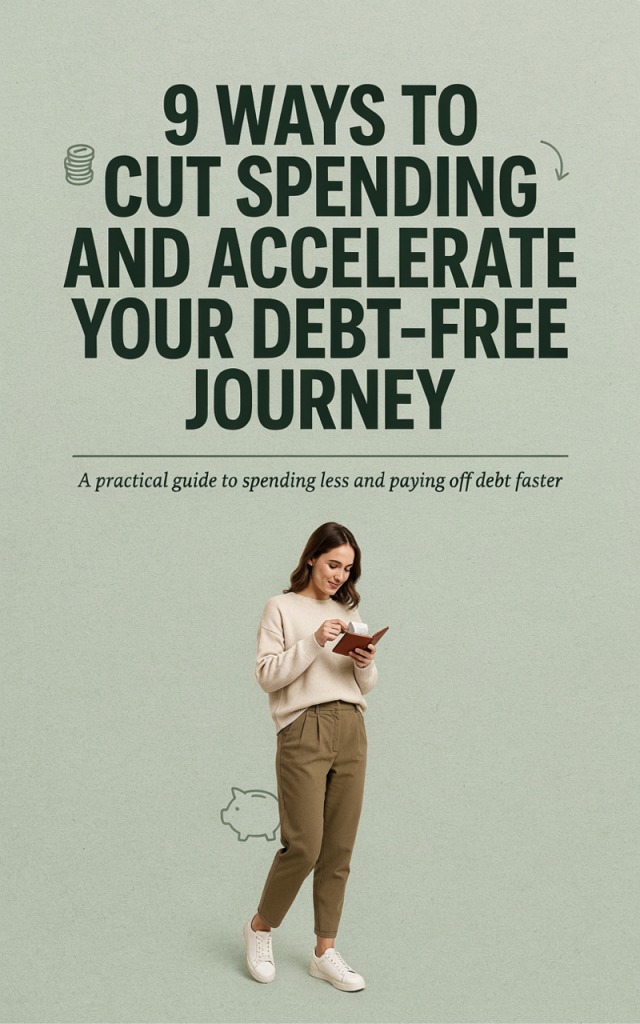
9 Ways to Cut Spending and Accelerate Your Debt-Free Journey
Paying down debt rarely comes from one dramatic decision. More often, it grows out of a season of choosing the long-term goal over a series of tempting upgrades, conveniences, and purchases. The most useful approach is not to copy another household’s exact limits, but to identify the expenses that matter least to you, redirect that money toward principal, and set a clear time frame so the sacrifices feel purposeful rather than permanent.
1. Make home improvements wait their turn
A home does not have to look finished while you are working toward financial freedom. Separate urgent repairs from cosmetic projects, learn to live with unfinished rooms, and tackle improvements in an order that protects safety and the budget. A temporary floor, dated fixtures, or an undecorated space can remain functional while extra cash goes toward debt instead of appearances.
Explore this resource
2. Turn the waiting period into a money-saving tool
Create a pause between wanting something and buying it. Add nonessential purchases to a list, wait a predetermined number of days, and use that time to compare prices, look for a sale, or decide whether the item solves a real problem. Many wants lose their urgency, while the purchases that remain important can be planned rather than charged impulsively.
3. Keep your phone until it truly needs replacing
An older phone can be an effective temporary trade-off when a newer model would delay a debt goal. Clear unused files, remove apps you no longer need, replace a worn case or battery when practical, and accept minor annoyances while the device remains usable. Set a replacement threshold based on reliability and safety, not on camera upgrades or the arrival of a new release.
4. Read widely without buying every title
Keep reading in your routine while changing how you access it. Use the public library, interlibrary loans, digital lending, swaps with friends, and secondhand sales before purchasing new books or subscriptions. Reserve gift money for titles you genuinely want to own, and ask the library to consider ordering a book that is not already in its collection.
5. Build a small wardrobe around what you already own
A debt-focused budget does not require abandoning personal style; it does require reducing unnecessary turnover. Wear existing pieces in more combinations, mend small problems, and shop thrift stores, consignment racks, and yard sales for genuine gaps. When new clothing is necessary, compare prices, use a coupon or rewards balance, and choose a durable lower-cost option rather than buying the favorite item at any price.
6. Use unfinished bonus space as motivation
A basement, spare room, or garage can stay basic while you direct renovation money to high-priority debt. Organize the area with what you already have, add inexpensive lighting or storage only when it improves safety or usefulness, and keep a list of future projects. Seeing that list shrink alongside the loan balance can make postponement feel like progress rather than failure.
7. Choose meaningful visits over expensive vacations
A debt sprint may call for skipping resort trips and elaborate itineraries, but it does not have to eliminate every important journey. Consider visiting family, sharing transportation, staying with people you trust, or choosing a nearby low-cost break. Before booking, weigh the experience against the extra payoff time and include travel in the plan so a meaningful exception does not become unplanned debt.
8. Make home meals the default and dining out the exception
Restaurant meals, coffee runs, and takeout can quietly compete with debt payments because they combine food costs with convenience and service charges. Plan a short rotation of simple meals, cook enough for leftovers, and keep one enjoyable homemade treat available so the budget does not feel punitive. Reserve occasional outings for experiences you value, and decide the frequency in advance instead of letting hunger make the choice.
9. Trade some free hours for a defined payoff push
A temporary period of extra work can increase the amount available for principal payments. Depending on your circumstances, that might mean overtime, a small side service, selling unused items, or completing postponed household projects yourself. Protect sleep, health, and relationships, set an end date, and track how each extra payment changes the balance so busyness remains a deliberate short-term strategy rather than an indefinite lifestyle.
Debt reduction works best when the trade-offs match your own priorities and have a visible finish line. You may keep some categories completely intact while trimming others sharply; the important step is to agree on the goal, protect essential needs, and send the resulting savings to the balance consistently. A simpler season can create room later for better choices, fewer interest charges, and opportunities that are easier to pursue without a monthly debt burden.