How Trymata Fits into the Side‑Hustle Landscape: What to Expect and How to Succeed
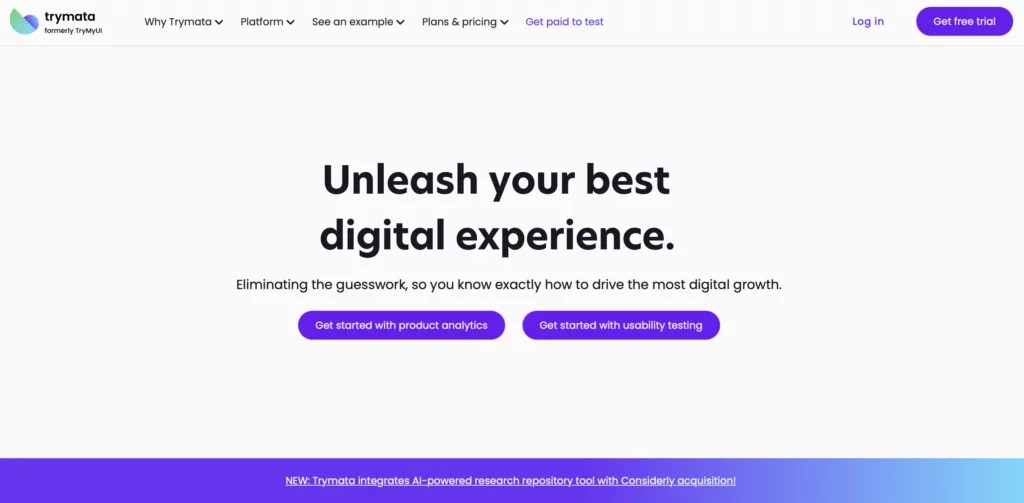
If you enjoy poking around websites and speaking aloud as you use apps, user‑testing platforms can turn that habit into pocket money. This guide walks through what Trymata offers, how the process works, what people like and complain about, sensible comparisons with competitors, and practical tips to make the most of this kind of gig work.
1. What Trymata Does and how it evolved
Trymata began as a focused user‑testing service and later expanded into a platform that pairs usability testing with product analytics. In plain terms, it connects companies who want to learn how people use their websites or apps with everyday people who try those products and share their thoughts. Tests typically ask you to complete realistic tasks while narrating your experience; companies then use those recordings and surveys to tune design and messaging. Think of Trymata as a bridge between product teams and real users — it’s useful both for people who enjoy testing and for teams aiming to improve conversions or reduce friction.
2. Getting started: signing up and what you’ll need
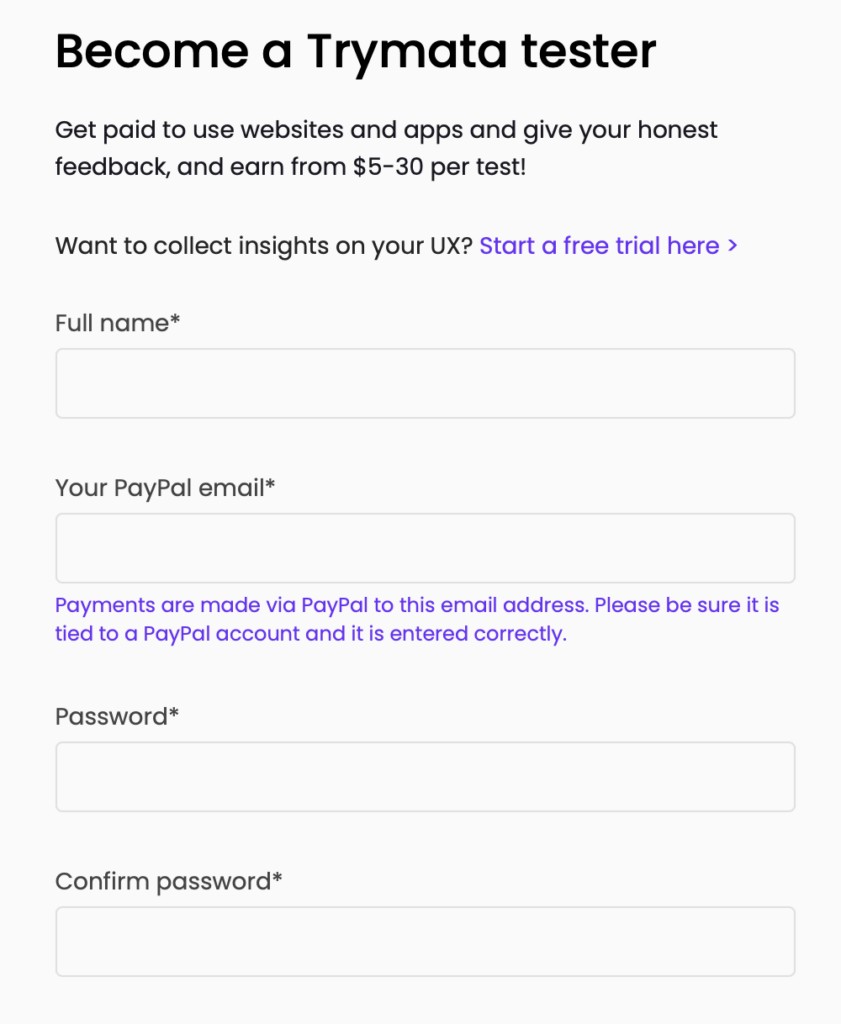
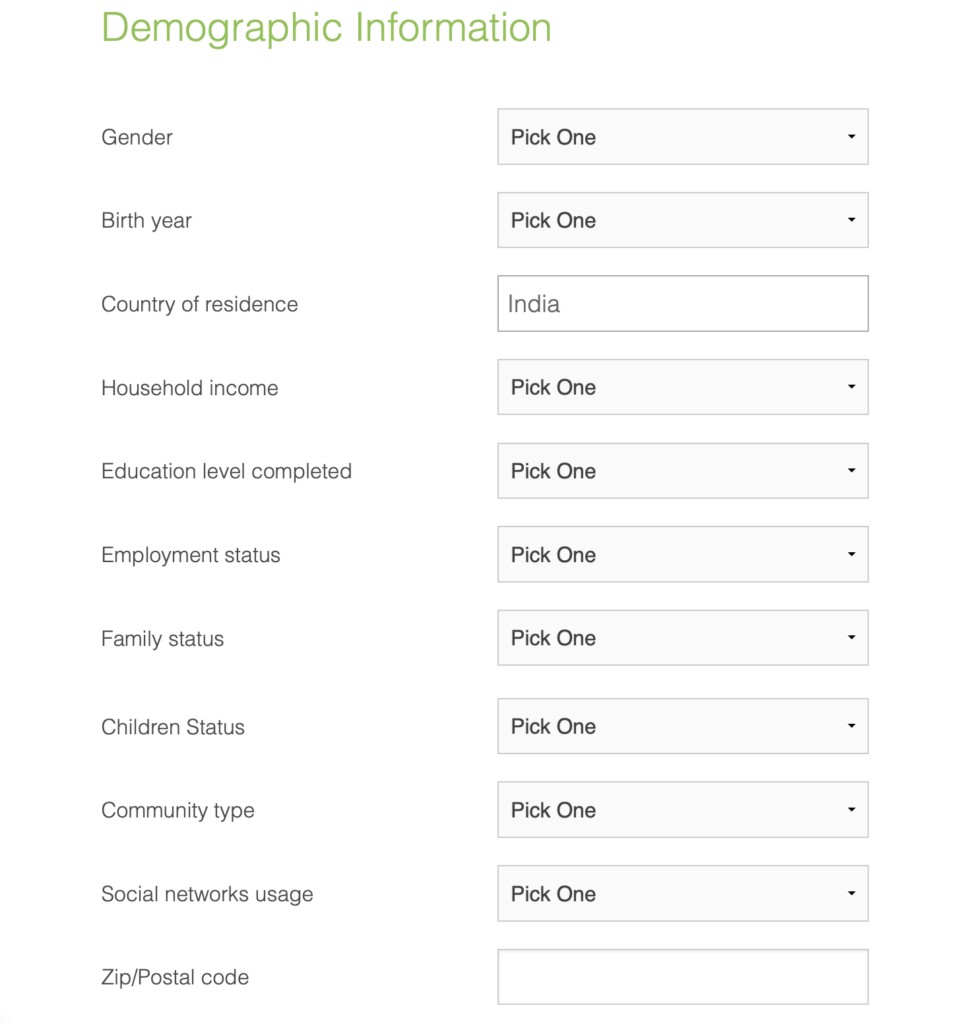
Signing up for a user‑testing platform is straightforward but worth doing carefully. You’ll provide basic demographic and device details so the platform can match you to relevant studies; typical fields include language, age range, device type, and experience using certain apps. After an initial screener or practice test that checks you can follow instructions and use the recorder, tests arrive by invitation or on your dashboard. Practical tip: use the same email you’ll link to your payout account, and test your microphone and internet beforehand. Example: create a short practice recording where you describe looking for a product, to check sound levels and pacing.
3. What compensation looks like and how you receive it
Compensation on usability platforms varies by task length and format: short unmoderated tasks pay less than longer moderated interviews. Payments are typically issued through a single common method, so set up that account before you start. In practice, you might be paid after your recording is reviewed and approved; that step can add a few days between submission and receipt. Example: a quick five‑to‑ten minute task might feel like a coffee‑break gig, while a 45‑minute moderated chat resembles a short freelance interview. Keep records of accepted tests and confirmation emails in case of payment questions.
4. Is Trymata a reliable platform? What to watch for
Trymata operates as a legitimate company in the user‑testing space, but reliability can vary. Many users report genuine payouts and useful work, while others describe occasional hiccups: tests disappearing due to network glitches, sporadic rejections, or slower support responses. As with most gig platforms, results depend on site stability, tester adherence to directions, and the reviewer who evaluates your submission. Practical approach: treat Trymata and similar services as supplemental income, not steady pay. If you encounter a rejected test, capture screenshots, save the recording, and contact support promptly with clear timestamps and explanations.
5. Strengths and practical drawbacks to consider
Working with a testing platform can be flexible and rewarding, but it isn’t without limitations. Positives include the ability to take sessions when you have spare time and the learning benefit of seeing many different site designs. Downsides can include irregular availability of tests, occasional technical problems, and the fact that evaluation quality affects whether a submission is accepted. Example action: build a weekly routine — block one or two short time slots for checking and accepting invites right when they appear, and keep a checklist (microphone, quiet room, battery charged) to reduce the chance of technical disqualifications.
6. What testers are saying: common praise and complaints
Across forums and review sites, feedback about user‑testing platforms runs the gamut. Positive notes often mention that payments do arrive and that tests can be interesting and varied. Complaints tend to focus on glitches (recordings cut off after brief network blips), perceived unfair rejections, and intermittent or slow support. Practical response: if you hit a technical issue during a test, stop and document what happened—note times, error messages, and whether the recorder logged an upload. When submitting appeals, be specific about what you did and include any supporting files or timestamps to make it easier for reviewers to reassess your work.
7. How Trymata compares with other user‑testing platforms
Not all user‑testing platforms are identical; some offer more frequent test volume, different payout options, or additional tools. One platform might send many more invitations because of a larger client base, while another may require a minimum tester rating to qualify for projects. Features like live moderated chats, card sorting, or extra payout methods can make a platform more attractive depending on your priorities. Example choice: if you prefer steady, frequent short tasks, pick a site known for high volume; if you enjoy occasional in‑depth interviews, seek platforms that emphasize moderated sessions and premium studies.
8. Other platforms worth sampling as complements
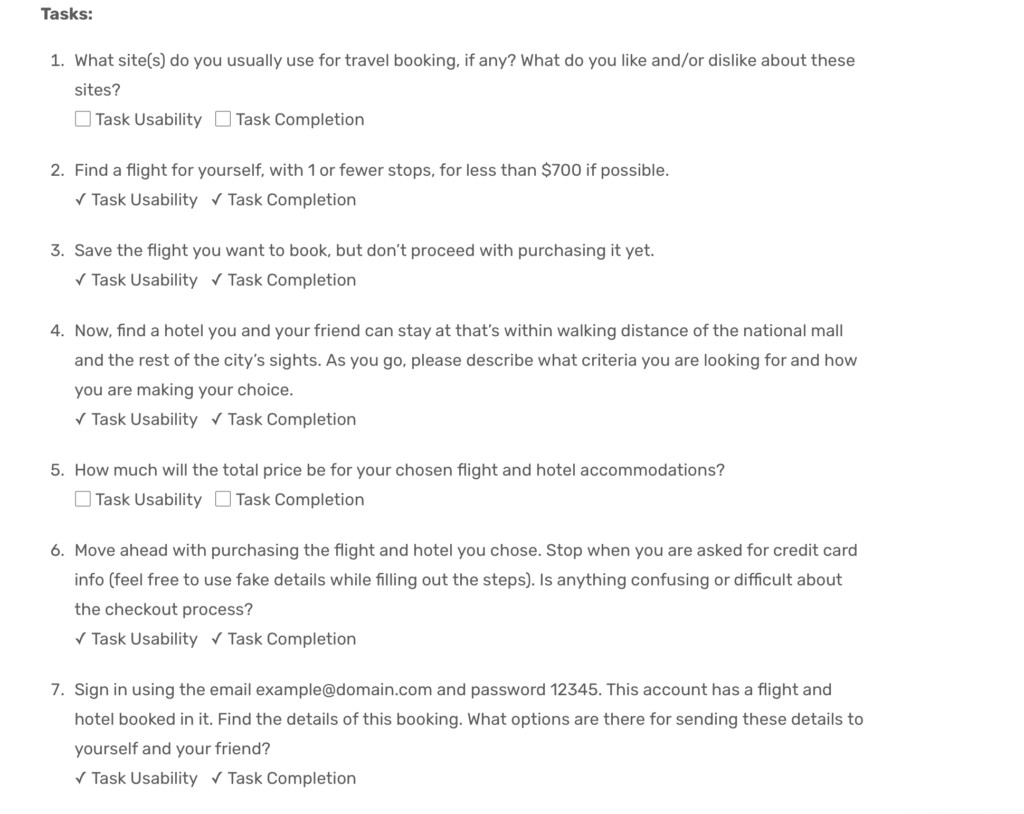
If you’re building a diversified testing side hustle, try more than one service. Alternatives vary: some specialize in quick five‑minute polls, others pay more for longer moderated studies, and a few focus on multilingual projects. Practical plan: register with a mix of platforms — one with high test volume, one that pays more for longer moderated interviews, and a third that offers quick micro‑tasks — so you can pick jobs that fit your schedule. Example: use a quick‑task site for spare minutes between errands, and schedule longer moderated interviews on evenings or weekends.
9. When Trymata is a good fit — and when to look elsewhere
Consider Trymata if you like flexible, occasional tasks that let you explore apps and websites while sharing candid feedback. It’s a good match for people who want extra pocket money, enjoy giving constructive critique, and can reliably record clear audio and video. It’s less suitable if you need steady weekly income, require guaranteed frequent work, or cannot troubleshoot upload or recorder issues. Practical guideline: use Trymata as one tool in a broader mix—pair it with other platforms or micro‑gigs to smooth earnings and avoid relying on a single source for regular funds.
10. Practical tips, frequently asked questions, and troubleshooting steps
A few consistent tips help most testers: test your microphone and screen recorder before accepting a job, choose a quiet room without interruptions, and narrate your thoughts clearly and naturally. If a test disappears or your upload fails, save local copies and take screenshots of any errors. For payment issues, gather confirmation emails and accepted test records to share with support. Example FAQ answers: yes, many platforms use a common payout service so set that up early; no, this work usually won’t replace a full‑time salary; and yes, passing the screener matters — practice clear, specific commentary that explains what you expected and what actually happened.
User‑testing platforms like Trymata can be an enjoyable, low‑pressure way to earn occasional income while sharpening observation skills. Treat them as flexible side projects: learn the submission rules, keep technical checks routine, and diversify across platforms to make the most of available opportunities.