How Becoming Debt‑Free Can Improve Your Life — Practical Benefits and a Safe Roadmap
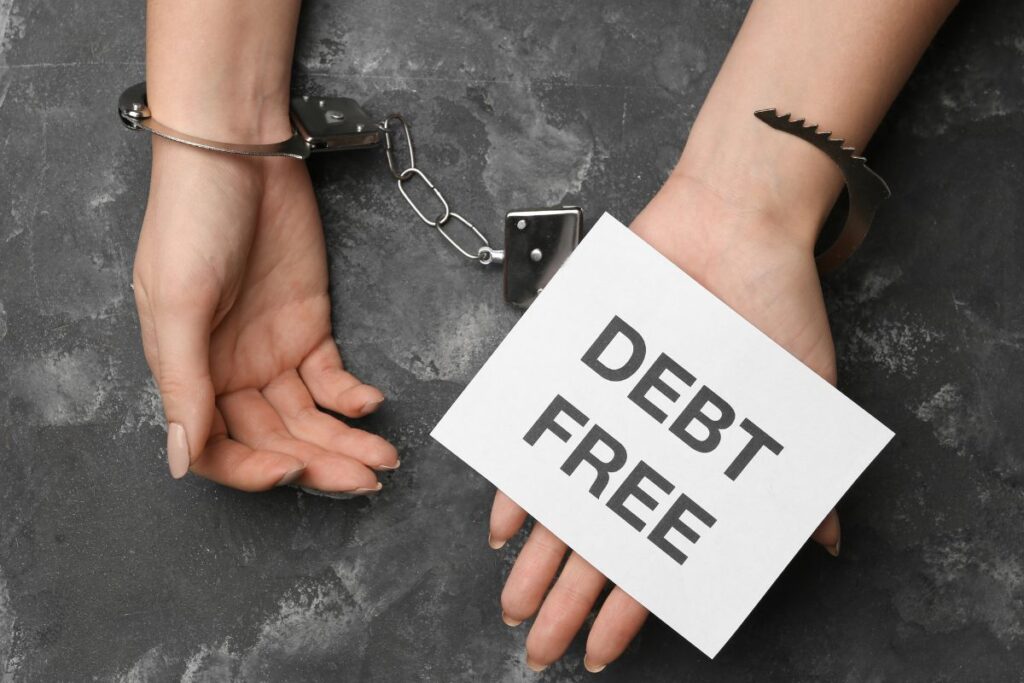
Debt is more than a line item on a statement. For many people it affects daily choices, how they feel, and how they plan for the future. Saying “debt‑free” doesn’t guarantee the end of stress, but getting control over debt often changes how people approach work, relationships, and long‑term goals.
This guide explains common, realistic ways reducing or eliminating consumer debt can alter priorities and open options, plus a practical, safety‑first roadmap you can adapt. Where outcomes depend on your lender, account terms, state rules, or current law, I note what to check and point to official resources you can trust.
1. How debt can shape everyday life (and what usually changes first)
Debt often shows up as repeated stressors: late‑payment notices, surprise interest, or the mental load of tracking multiple due dates. For many people, reducing that burden results in clearer short‑term thinking — fewer urgent money crises and less last‑minute scrambling to cover essentials. That doesn’t mean every worry disappears, but common experiences include:
- Fewer nights spent worrying about how to make the next payment.
- Reduced distraction at work because money logistics take less attention.
- A calmer mental space for planning rather than reacting.
These are general patterns, not guarantees. The size and timing of any change depend on the types of debt, interest rates, family income, and whether someone builds a buffer (even a small emergency fund). Always verify account‑specific terms and current guidance with your servicer or official sources when making decisions that depend on a lender’s practices.
Want a practical next step?
2. More options for career and life choices — how that freedom often shows up
When monthly obligations shrink, some people find they can weigh career moves or lifestyle changes differently. Examples many report include:
- Considering a lower‑pay job that’s less stressful or better aligned with values.
- Having the flexibility to relocate, take a short unpaid sabbatical, or negotiate part‑time work without immediate fear of missed payments.
- Feeling more comfortable trying a side project or training for a new role.
These are possibilities, not promises. Whether you can act on them depends on the amount of debt removed, how quickly you replace lost income, and your household’s needs. Before quitting or switching jobs, check health‑insurance rules, employer benefits, and any contractual obligations. If a decision depends on being debt‑free by a target date, be conservative in timelines and build contingency plans.
3. Where freed cashflow usually goes: saving, investing, and giving
Reducing recurring debt payments can free cashflow that people commonly redirect into three broad buckets: short‑term safety, long‑term growth, and discretionary giving. Typical next steps include:
- Rebuilding or starting an emergency fund (even $500–$2,000 can stop small shocks from becoming new debt).
- Increasing retirement or tax‑advantaged savings once high‑cost debts are under control.
- Donating or helping family without relying on credit.
A simple paper exercise you can adapt: draw three columns labeled “Safety,” “Growth,” and “Giving.” Record current monthly cashflow improvement after a payoff. Allocate percentages you’re comfortable with (for example, 50/30/20) and write the target dollar amounts. Revisit monthly and adjust as balances change.
Avoid promises about specific investment returns or guaranteed payoff speeds; tax and investment choices are personal and depend on your circumstances.
4. Relationships, confidence, and the social side of debt
Money issues are a frequent source of tension in households. Many people find that paying down debt improves communication and reduces arguments, but results vary. Common, practical improvements people notice include:
- Easier conversations about money when balances are visible and there’s a shared plan.
- A sense of accomplishment that can strengthen self‑confidence and reduce avoidance of financial topics.
- Better ability to model healthy financial habits for children and household members.
Checklist for calmer money conversations:
- Agree on a single place to record debts and payments (a simple notebook or shared spreadsheet).
- Set one weekly or biweekly time to review progress, not to blame.
- Use neutral language: focus on numbers and next steps, not past mistakes.
- Celebrate small wins (a paid‑off card, a month without an overdraft) to keep momentum.
If debt has caused ongoing relationship stress, consider neutral facilitation (a certified credit counselor or a trusted financial coach) rather than trying to resolve complex conflicts alone.
5. A safe, practical roadmap to reduce consumer debt
Reducing debt is most effective when you combine a clear plan with caution about risky promises. Below is a step‑by‑step framework many people use, followed by safety notes and where to look for verified help.
Stepwise roadmap
- List everything: creditor, balance, interest rate, minimum payment, due date.
- Build a small starter emergency fund (even $500) so you don’t add new debt while paying down balances.
- Choose a repayment approach you can sustain (examples include paying smallest balances first or highest‑rate balances first). Both can work; pick the method that keeps you motivated.
- Reduce monthly interest where feasible: ask current servicers about hardship programs or lower rates; verify any offers in writing.
- If you’re overwhelmed, compare safe, regulated help options: nonprofit credit counselors, debt management plans, and information from government sources.
- Track progress monthly and adjust — set micro‑goals and a visible tracker you update by hand.
Safety notes and reliable sources
- If you consider a debt‑relief company, be careful: some firms make promises they can’t keep. The Consumer Financial Protection Bureau explains what debt‑relief programs do and when to be wary. See the CFPB’s guide on debt‑relief programs before signing anything: CFPB guide to debt‑relief programs.
- Credit counseling and debt settlement are different services. For clear distinctions and common responsibilities of nonprofit credit counselors, see the CFPB comparison page: CFPB — credit counseling vs. debt settlement.
- The Federal Trade Commission provides practical, consumer‑focused steps for getting out of debt and avoiding scams: FTC — How To Get Out of Debt.
Always verify account‑specific terms, written disclosures, and current official guidance for anything that depends on your creditor, state laws, or the current regulatory environment. If a debt solution sounds too good to be true or requires large upfront fees, pause and consult reputable consumer protection resources before proceeding.
Becoming debt‑free usually isn’t a single dramatic moment so much as a series of smaller shifts: clearer thinking, more choices, and often calmer household dynamics. Use a realistic, safety‑first plan, keep written records, and consult official resources when you need help. With steady steps and verified information, reducing consumer debt can expand what’s possible in both your finances and your life.