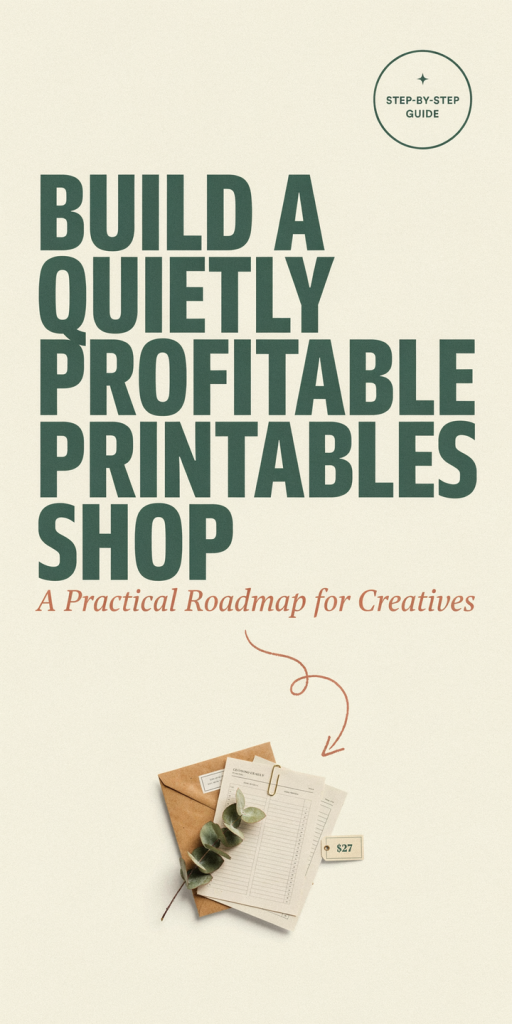
Build a Quietly Profitable Printables Shop: A Practical Roadmap for Creatives
Selling digital printables can be a low-overhead way to earn ongoing revenue while keeping full creative control. This article lays out a clear, step-by-step approach—from what printables are to common pitfalls and how to grow—so you can move from idea to consistent sales without guesswork.
1. What a ‘printable’ really is and how people use them
A printable is a digital file a customer downloads and prints at home or through a local print shop. Typical formats include PDFs and image files designed for physical use: planners, wall art, invitations, learning sheets, and checklists. Their appeal lies in instant access and reusability: once the file is created, it can be sold repeatedly without restocking. Practical example: create a printable weekly meal planner as a fillable PDF that buyers print or use digitally; include multiple page sizes so it fits both standard home printers and popular frame formats. Always test-print to confirm layout and margins before listing.
2. Why creators choose printables over physical goods
Printables remove shipping, inventory, and many overhead costs that come with physical products. That makes them attractive to creatives wanting flexible schedules and the freedom to experiment with ideas. Because a single design can generate repeated purchases, they’re well suited to someone who prefers design work over logistics. For example, a designer can produce a set of seasonal greeting cards and sell the digital files while traveling, without needing storage or packing supplies. This model also allows rapid iteration—if a new color palette or layout performs better, you can update or add a variant quickly and relaunch.
3. Finding a niche that actually sells (practical research steps)
Successful printables solve a specific problem for a defined audience. Start by scanning marketplaces and social platforms to spot recurring requests, bestselling categories, and customer pain points. Look through reviews to find unmet needs or feature requests. Combine market signals with personal interests—if you love gardening, a plant-care tracker can connect with a built-in audience and feel sustainable to create. Practical example: if you notice multiple customers asking for editable wedding timelines, build a timeline template with customizable fields. Validate interest by launching one small listing and watching traffic and conversion before scaling the concept.
4. Design choices that boost appeal and usability
Great-looking, easy-to-use printables convert browsers into buyers. Prioritize simplicity, readable typography, and clear visual hierarchy so customers can use the product immediately. Include printable-friendly color contrast, sufficient margins, and explicit print instructions. Practical examples: a budget tracker with labeled columns and subtle color bands, a kids’ chore chart with large, printable icons and a black-and-white version for economical printing. Offer multiple sizes or an editable variant so buyers can adapt files to their printers or frames. Always test export settings and print a physical copy to confirm alignment, legibility, and visual balance.
5. Toolkits and workflows for makers at every level
You don’t need costly software to produce attractive printables. Beginner-friendly tools like Canva and Google Slides let you assemble templates and export PDFs quickly; more advanced creators may prefer vector tools or page-layout apps for fine control. An efficient workflow often looks like: draft in a simple editor, refine in a design tool, export high-resolution print-ready files, and create a short guide for buyers. Practical example: design a planner grid in Google Sheets for accurate spacing, import it into a design app to add branding and export multiple sizes. Keep a folder for source files so you can update listings without rebuilding assets.
6. Approaches to pricing that reflect value and cover costs
Set prices to reflect the perceived value, your time, and platform fees rather than guessing. Compare similar listings to gauge the market, then decide whether to position your item as an affordable everyday buy or a premium offering. Consider tiered options: a single-page basic file, a multi-page version, and a deluxe editable bundle. Practical example: offer a low-cost sample printable to attract first-time buyers, and provide a bundle at a higher price point that combines related products. Account for listing fees, tax, and the hours invested when deciding on final prices.
7. Picking the right place to sell and setting up delivery
Choose a platform based on your goals: marketplaces provide built-in traffic to validate ideas quickly, while a branded storefront offers long-term control and lower per-sale costs. For many sellers, starting on a marketplace is efficient; once repeat sales appear, expand to your own site or a dedicated shop. Practical example: launch a few test listings on a popular marketplace to collect feedback, then create a simple website with a digital-download plugin to centralize repeat customers and email collection. Set up automatic digital delivery so buyers receive files instantly and you avoid manual fulfillment.
8. Marketing tactics that actually bring buyers to your listings
Visibility comes from consistent promotion plus search optimization. Use relevant keywords in titles and descriptions so shoppers find you in marketplace searches. Pinterest often drives steady traffic for visually appealing listings—create vertical pins that show the printable in real use. Social media reels or short process videos can showcase how a product solves a problem. Practical example: offer a free mini-printable as a lead magnet to build an email list, then email new subscribers a discount for their first purchase. Track which channels send buyers and double down on the most profitable ones.
9. Customer care tips to turn a one-time sale into repeat business
Strong customer service builds trust and encourages repeat purchases. Anticipate common printing questions by including a help sheet with recommended printer settings and paper types. Respond promptly and courteously to inquiries; well-written, templated replies save time while sounding personal. Practical example: if a buyer reports a print alignment issue, provide a troubleshooting checklist and offer to replace the file with an alternative format. State clear usage and refund policies up front to prevent misunderstandings. Happy buyers are more likely to leave positive reviews and return for seasonal or complementary products.
10. Frequent mistakes sellers make and practical ways to avoid them
Common missteps include undervaluing your time, neglecting listing optimization, and skipping print tests. Avoid these by validating demand before full development, testing every file in real printing scenarios, and regularly reviewing analytics for underperforming listings. Practical fixes: if a product gets traffic but no sales, revisit your images and description; if conversions are low, try new keywords or add a free preview page. Keep a short checklist for each new listing—market research, test print, SEO check, and an FAQ—to reduce oversights and improve launch outcomes over time.
11. Ways to grow beyond a single listing without burning out
Scaling a printables business means systemizing creation and marketing. Expand thoughtfully: build variations of your top sellers, bundle related items, and explore seasonal collections. Outsource repetitive tasks like keyword research or template assembly when growth justifies the cost. Practical examples: hire a freelance designer to produce holiday-themed variants while you focus on marketing, or run modest promoted pins for bestsellers. Reinvest a portion of profits into tools or ads, track ROI, and create a content calendar so new releases are timed to audience demand instead of rushed production.
With thoughtful niche selection, clear design standards, and consistent promotion, printables can become a sustainable creative income stream. Start small, test quickly, and refine systems so your shop grows without adding constant busywork.