Smart Ways to Turn Stuff and Skills at Home into Consistent Cash
Whether you want tidy closets, a creative outlet, or a steady side income, there are sensible, low-barrier ways to sell things and services from home. Below are seven focused sections that reframe familiar categories into practical opportunities, with examples you can try this weekend and systems to keep momentum long term.
1. Start with Services: Turn Your Time and Talent into Income
Services are often the fastest path to cash because they use skills you already own. Think tutoring one subject you enjoy, offering short-form editing for local writers, or creating a simple logo package for small businesses. Home services — from basic repairs to seasonal yard work — travel well locally: advertise a tidy, time-limited bundle and include before-and-after photos. Pet care and childcare tasks can also be offered as repeat appointments. Practical steps: build a one-page portfolio, collect a couple of testimonials, and set clear offerings (for example, a 60-minute lesson, a two-hour cleaning slot, or a logo + two revisions). Small systems turn one-off jobs into steady bookings.
2. Crafts That Sell: From Handmade Jewelry to DIY Kits
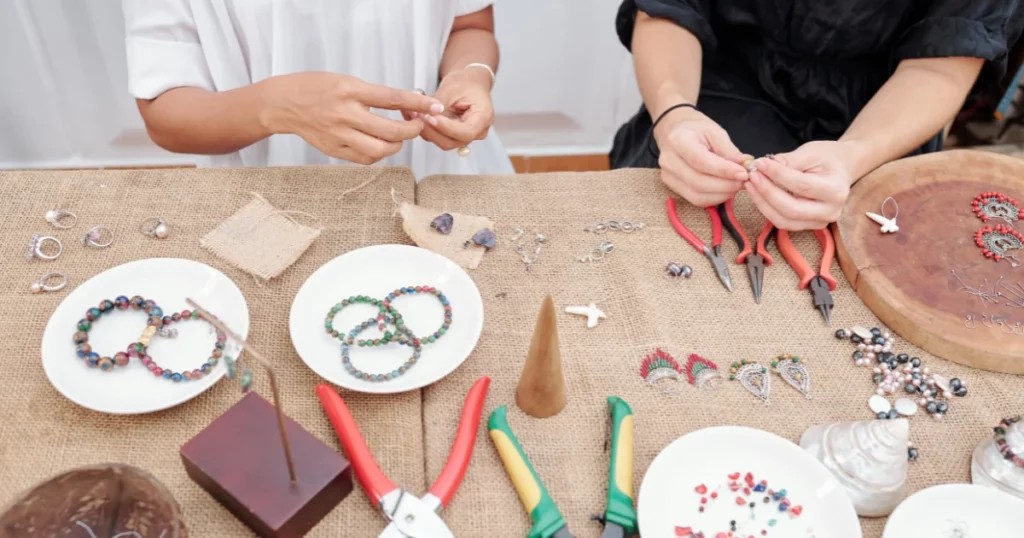
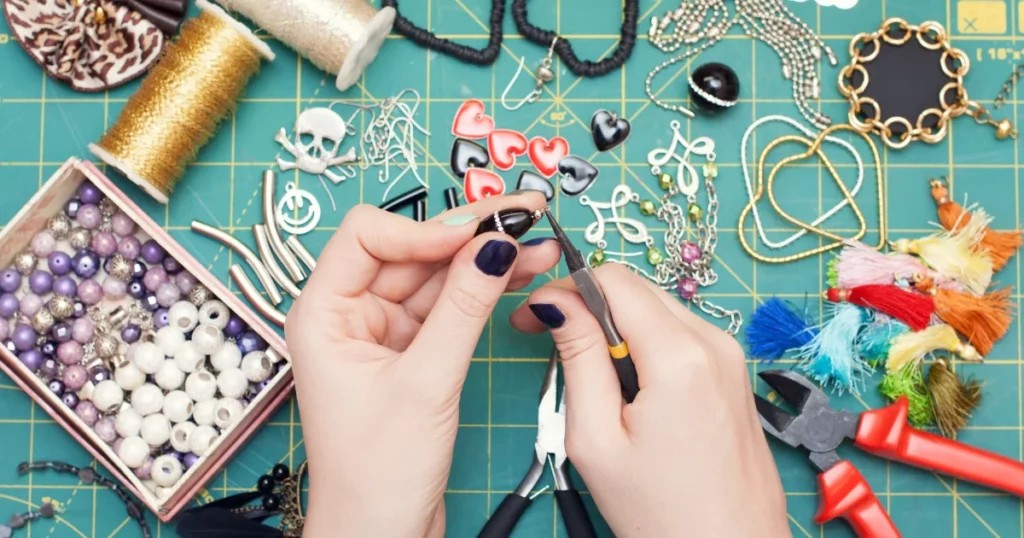
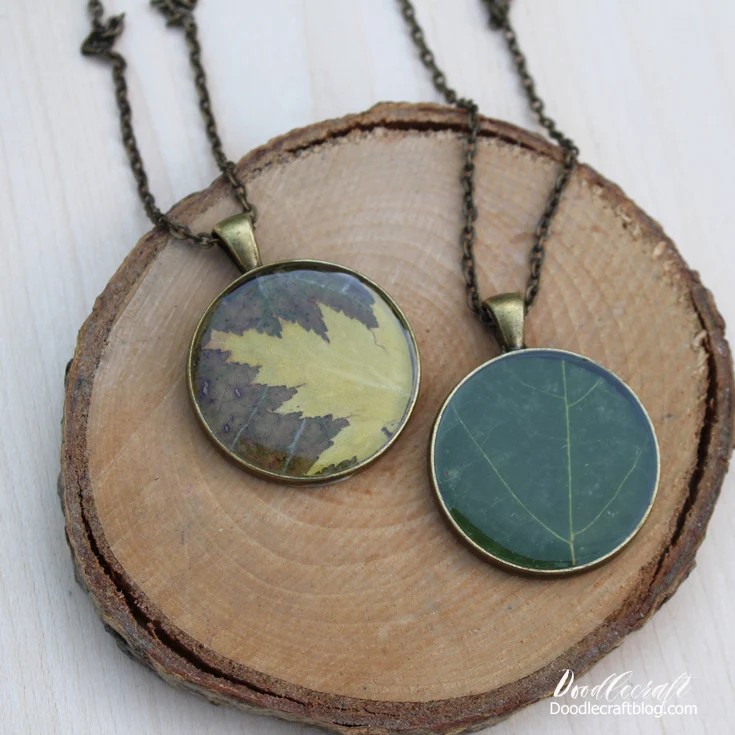
Making handcrafted goods gives you control over style, inventory, and margin. Popular routes include jewelry made with resin or wire-wrapping, scented or decorative candles, and small-batch soaps. Consider packaging a beginner kit — for candles or soap — that includes materials and clear instructions; these appeal to buyers who want a creative project. For visual appeal, photograph items on neutral backgrounds and show scale with a hand or common object. Practical example: design a seasonal trio of candles, photograph each lit and unlit, then offer a gift-ready bundle with a simple care card. Selling locally at markets or via online listings helps you test what resonates.
3. Clothing and Accessories: Clean, Curate, and Create Value
Fashion can be a steady seller when items are curated thoughtfully. For gently used pieces, focus on condition and presentation: launder or steam garments, polish footwear, and photograph from flattering angles or on a mannequin. Vintage finds are attractive if you can tell a short story about era or maker; highlight unique details like period tailoring or original labels. If you sew, offer made-to-measure pieces or small-batch accessories and list fit notes to reduce returns. Practical tactics include creating themed bundles (outfit pairs), offering local pickup to avoid shipping hassles, and using consistent sizing references to help buyers feel confident.
4. Electronics: Clean, Test, and Package for Confidence

Electronics move quickly when they’re ready to use. Before listing, wipe personal data, run basic diagnostics, and include any chargers, cables, or protective cases you have. Small fixes — a battery replacement, new screen protector, or a fresh set of earbud tips — can significantly increase buyer interest. Photograph devices from multiple angles and show them powered on so buyers see working condition. For higher-value items like laptops or gaming consoles, create a clear spec sheet (processor, memory, storage) and disclose any cosmetic wear. Consider bundling accessories or offering a short, simple return window to build buyer trust.
5. Home Goods & Furniture: Clean, Stage, and Offer Delivery Options
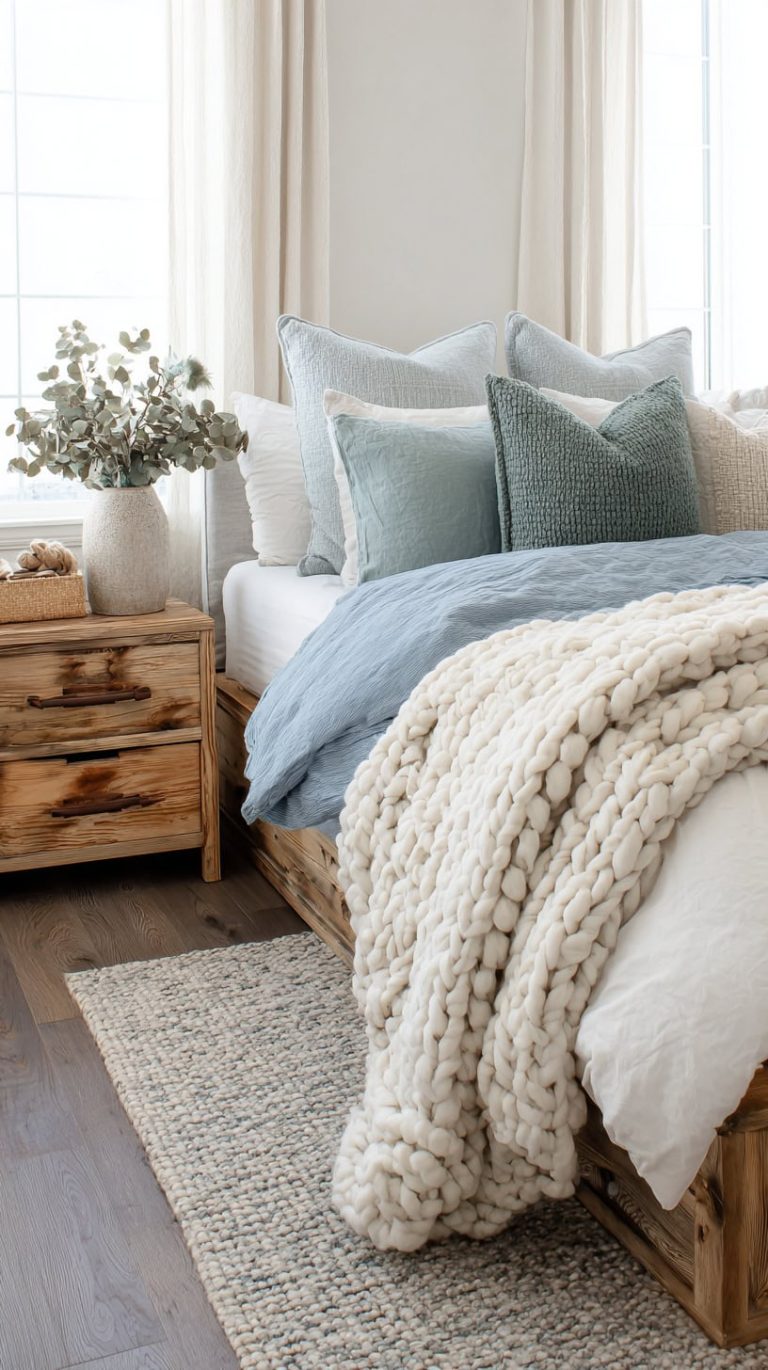
Home pieces sell best when buyers can imagine them in their space. Start with a deep clean and minor repairs — tighten screws, glue a loose leg, or touch up paint — then style the item for photos with a plant or a folded throw. For larger furniture, note dimensions, weight, and whether it disassembles; offer local delivery or recommend a carrier to remove friction. Kitchenware and decor benefit from grouped photos that show scale and function: a set of mixing bowls photographed stacked, or a lamp shown lit in a corner. If you enjoy small renovations, upcycling a nightstand with fresh hardware can lift value and attract buyers.
6. Collectibles: Research, Preserve, and Target the Right Buyers
Collectibles require a little homework but can reward patience. For antiques, trading cards, comics, or vintage toys, focus on provenance and condition: document maker marks, edition details, and any original packaging. Store and ship items in protective sleeves, acid-free backing, or sturdy boxes to preserve value. Practical approaches include joining collector communities to learn current interest, having items professionally graded when appropriate, and photographing close-ups of markings and wear. Choose niche marketplaces or auction formats for rare pieces and present clear condition notes so serious buyers feel confident bidding or messaging to negotiate.
7. Build Habits That Turn Casual Sales into Sustainable Income
Consistency and small systems separate occasional sellers from steady earners. Keep a simple inventory log, batch photography into one session, and set aside a regular block of time each week for listings. Clear, honest descriptions and tidy packaging create repeat customers; include care notes or a thank-you insert to encourage reviews. Test different channels and track where items sell fastest so you can focus effort. Reinvest a portion of early profits into better tools — a lighting setup, stronger packaging, or a new sewing machine — and refine listings based on buyer questions. Over time, these habits reduce friction and turn a few sales into a dependable sideline.
Look around your home and skills with fresh eyes: one small experiment — a crafted product, a cleaned gadget, or a two-hour service block — can teach you what buyers want. Start simple, build reliable routines, and refine as you learn; steady returns often begin with a single thoughtful listing.