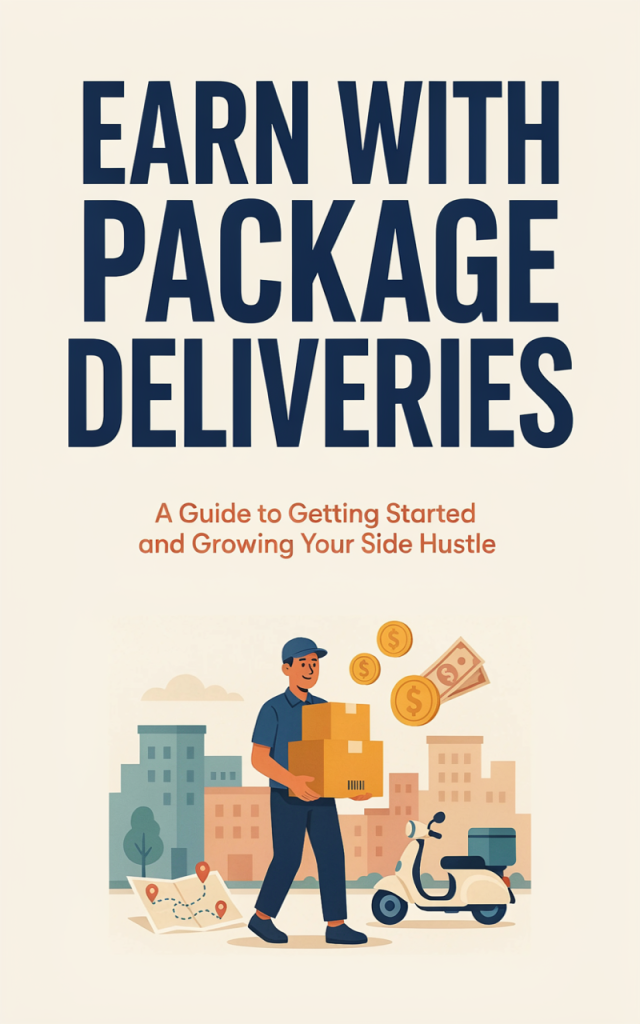
How to Earn with Package Deliveries: A Practical Guide to Getting Started and Growing Your Side Hustle
If you’re curious about turning spare hours and your vehicle into steady pocket money, package delivery is a dependable option to explore. This guide walks through who this work suits, which platforms to try, smart ways to boost income, and how to avoid common pitfalls—so you can try the side hustle with clarity and confidence.
1. Is Package Delivery a Fit for Your Schedule and Vehicle?
Package delivery suits people who want control over when they work and how many hours they put in. To start, you typically need a valid driver’s license, a reliable vehicle appropriate to the packages you plan to carry, and a smartphone to run apps and navigate. Think practically: a compact car handles most small parcel runs, while a van or truck opens heavier-item gigs. Factor in basic costs—fuel, insurance, and routine maintenance—and set aside time for app setup, background checks, and onboarding tasks. A simple example: try a few evening or weekend shifts to test demand and vehicle suitability before committing to busier blocks.
2. Choosing Platforms That Match Your Strengths
Not every delivery app is identical; some focus on small, fast orders while others handle large or long-distance shipments. If you prefer quick local trips, apps connected to retail fulfillment centers or convenience-stocked micro-warehouses can offer frequent, short runs. Drivers with larger vehicles should explore platforms that specialize in furniture, appliances, or heavy lifts—those jobs often pay more and reward helpers who can load and secure items. There are also services that connect travelers with people needing items brought across borders or regions, which can make sense if you travel regularly. Practical approach: list the types of deliveries you want, then pick two apps that match your vehicle and comfort level to start.
3. Everyday Tactics to Raise Your Take-Home Pay
Small changes add up. Combine peak-time work with careful route planning: aim for high-density neighborhoods during busy windows and reserve long-haul requests for when you want bigger payouts. Use two or three apps instead of just one to increase order opportunities, but avoid accepting more than you can reliably complete. Protect earnings by keeping receipts and tracking miles with an app or spreadsheet so you capture eligible tax deductions. Practical examples: organize your trunk with straps and containers to speed loading; schedule maintenance at off-peak times to avoid downtime; and block out prime shifts—lunch, evening, or weekend—when demand tends to spike in most markets.
4. How Peer-to-Peer Delivery Broadens Your Options
Peer-to-peer (P2P) delivery connects individuals who are already traveling with people who need items transported. It’s ideal for cross-country moves, specialty items, or destinations that conventional couriers rarely serve. For example, a traveler headed to another state might bid on a furniture or parcel request and earn by carrying it along their route. P2P arrangements often require clearer communication up front—agree on pick-up/drop-off logistics, packaging expectations, and any extra costs—so use the app’s messaging tools and confirm timelines. P2P also tends to be more flexible about item types, but be mindful of regulations around animals and restricted goods when taking a job.
5. Troubleshooting the Common Headaches of Delivery Work
Delivery gigs come with recurring challenges: customer disputes, canceled orders, vehicle expenses, and variable pay weeks. A few practical fixes help: maintain a calm, solutions-focused tone when customers complain and document deliveries with clear photos and notes; track repairs and fuel costs in a dedicated log to spot trends in spending; and keep a financial buffer or a part-time steady income if you’re still testing the market. Also check insurance coverage and understand what the platform does or doesn’t cover for loss or damage. Example routines: create a short checklist for every drop-off and set aside a weekly block for vehicle upkeep to prevent avoidable downtime.
6. What to Expect in Your First Weeks and How to Keep Growing
Treat your first weeks as a trial: sign up for one or two platforms, test a few shifts in different neighborhoods, and track which runs pay best after expenses. Stay flexible—switching between quick local orders and occasional heavier moves lets you learn what you enjoy and what fits your vehicle. If a particular niche proves profitable and manageable, consider investing in equipment like a dolly, moving straps, or protective blankets to expand the kinds of jobs you can take. Above all, focus on reliability and clear communication; repeat clients and strong platform ratings are often the fastest route to steadier, higher-paying work.
Package delivery can plug into many lifestyles because it scales with your availability and vehicle. Start conservatively, keep records of earnings and expenses, sharpen a few practical skills, and you’ll quickly learn whether this side hustle fits your goals. Try one platform, refine your routine, and expand thoughtfully from there.