How to Sell Your Shoes Smartly: Pricing, Platforms, and Practical Prep

Clearing out footwear can free up closet space and add a little cash to your pocket. Whether you’re listing a gently worn pair or exploring sneaker flipping, a few smart steps — from assessing value to choosing the right marketplace — make the process easier and more profitable. This guide walks through pricing, prepping, platform choices, local options, and how to scale if you want to turn this into a side hustle.
1. What Sets the Value: How to Price Your Pairs
Start by treating valuation like detective work: compare similar listings, note brand desirability, and be honest about wear. High-demand labels and limited releases typically command higher prices, while everyday brands sell faster when priced competitively. Condition matters — a scuffed sole or missing box lowers value more than you might expect — so document flaws and factor them into your asking price. Size affects demand, too: common sizes usually move quicker. Practical example: check sold listings for the same model and condition before you post, then set an asking price that leaves room for a small negotiated discount.
2. Prep Like a Pro: Photos, Cleaning, and Honest Listings

A clean, well-described listing sells faster. Start by giving shoes a gentle deep clean suited to the material — suede needs a brush, leather benefits from a polish — and include the original box when possible. Photograph in natural light against a neutral background, capturing front, back, soles, labels or SKU, and any imperfections. In your description, list brand, model, size, age, and visible defects; use searchable keywords so buyers can find your listing. Practical example: post at least five photos (both shoes, sole, close-up of wear, label, and box) plus a line noting whether you’ll accept returns or local pickup.
3. Pick the Right Online Marketplace for Your Shoes
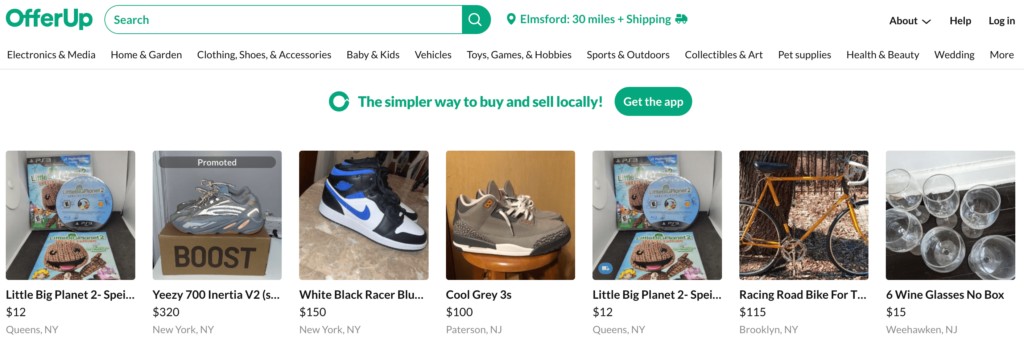
Different platforms serve different buyers. Specialist sneaker marketplaces attract collectors and limited-edition buyers and often emphasize authentication and detailed condition grading. Consignment or luxury platforms suit designer footwear and handle photos, vetting, and shipping for a cut of the sale. General resale apps and auction sites reach a broad audience and can move common styles quickly; negotiating fees and shipping responsibilities ahead of time helps you protect profit. Practical example: list everyday sneakers on wide-reach marketplaces for speed, reserve consignment services for rare or designer pieces, and consider a photos-and-listing service if you prefer hands-off selling.
4. Sell Locally When You Want Speed and Low Hassle
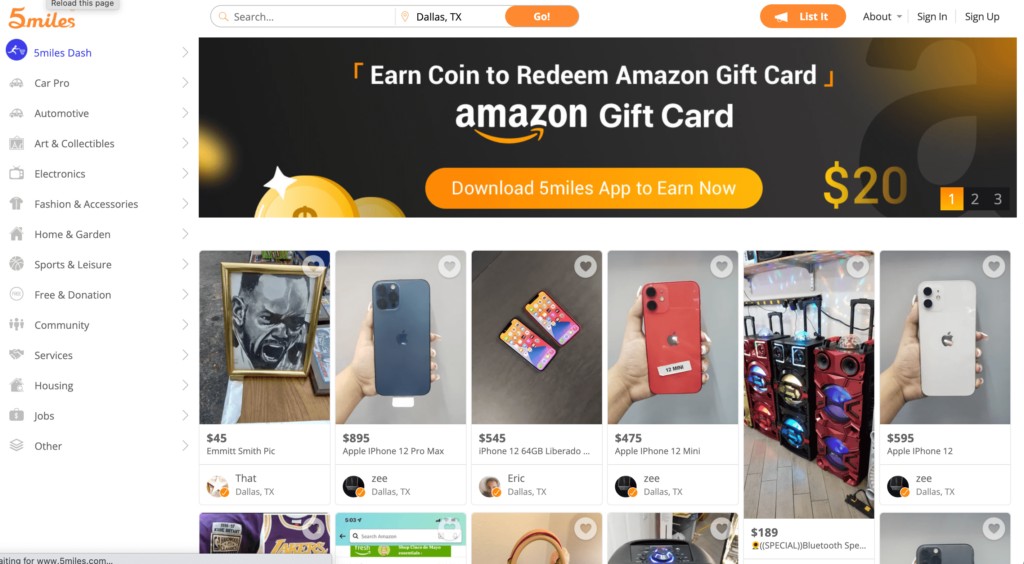
Selling close to home can be the fastest route to cash, and it eliminates shipping headaches. Local options include community marketplaces, neighborhood apps, weekend flea markets, and classifieds. When meeting buyers, choose busy public spaces, bring the shoes in clean packaging, and confirm payment method ahead of time. Be ready to negotiate; many in-person buyers expect a discount. Practical example: advertise on a neighborhood marketplace with clear photos and your firm asking price, then arrange a midday meeting at a nearby café or public plaza to complete the sale safely.
5. Turning Occasional Sales into a Shoe Side Hustle
If you enjoy selling shoes, scale cautiously: track what sells, where, and for how much, then focus on sourcing items that match buyer demand. Build a simple inventory system, set aside funds for cleaning and shipping, and test different platforms to see which gives the best return for your time. Consider batch-processing tasks like photographing several pairs at once and using standard descriptions to save time. Practical example: start by listing a small stash of gently used pairs across two platforms; reinvest earnings into one or two strategic purchases that historically resell well to learn the margins before expanding.
Selling shoes can be a quick declutter strategy or the start of a small business. With realistic pricing, careful prep, and the right platform, you’ll increase the chances of a smooth sale and a better return on each pair.
