Is Driving for Uber Eats Right for You? A Practical Guide to Getting Started, Earning, and Making It Work
If you’re weighing whether to pick up food deliveries for extra money, this guide translates what the platform really looks like in day-to-day life. You’ll find a clear picture of how it works, realistic pay dynamics, practical ways to boost earnings, plus how to choose between delivery services so you can decide with confidence.
1. How the app connects restaurants, customers and drivers
At its core the service is an app that links nearby restaurants to customers through a network of independent couriers. A customer places an order, the restaurant prepares it, and the platform assigns a delivery partner based on location and availability. Couriers see order details and estimated pay on their phones, then pick up and drop off the meal while navigating updates from the restaurant and customer. In practice that means quick hops between short local trips or occasional longer rides when demand is uneven. Example: you accept an order, the app shows pickup location and drop-off address, and you follow turn-by-turn directions while the restaurant marks the order ready.
2. Getting started: sign-up steps and vehicle choices

Becoming a delivery partner is largely an online sign-up process: create an account, submit identification and vehicle details, and pass a background check. Vehicle rules vary by city — some places allow bikes, scooters, or cars — and the app typically requires proof of registration and insurance for motorized vehicles. You’ll also need a smartphone for navigation and order management. Practical example: someone in a dense downtown area may choose a bicycle to avoid parking fees and congestion, while a suburban driver might use a compact car to handle longer trips and larger orders. Once approved you can log in and begin accepting requests.
3. What you gain (and what you give up) as a courier
The biggest upside is flexibility: you set your schedule, accept the orders you want, and work around other commitments. For many people it’s a simple, low-barrier way to earn extra money during peak hours. On the flip side, earnings can be inconsistent and vehicle-related costs — fuel, maintenance, and wear — come out of your pocket. Drivers also report occasional waits at busy restaurants, weather challenges, and customer complications that eat into hourly productivity. For example, a driver might enjoy a busy two-hour dinner window that provides several short trips, but later experience a stretch of slow orders that reduces overall hourly pay.
4. Understanding pay: base amounts, incentives, and take-home reality
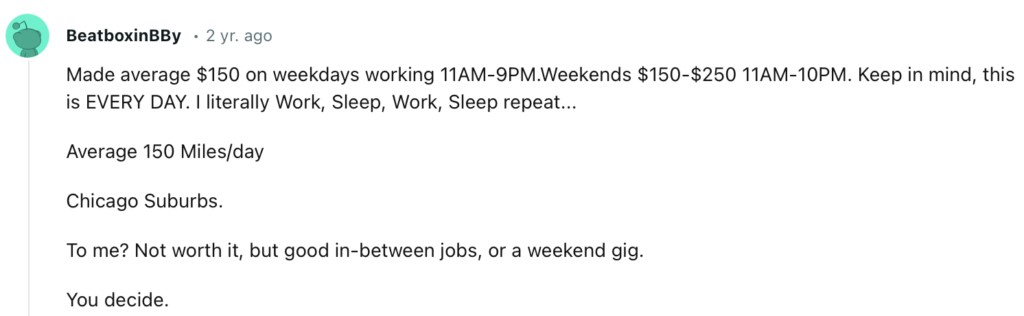
Earnings combine a baseline payment for each delivery, occasional platform incentives (like higher pay during busy times or targeted bonuses), and customer tips, which go entirely to the driver. Many partners rely on surge or boost zones and short-term challenges to supplement base fares. Important to remember: the figure the app shows before expenses isn’t your final profit. Fuel, vehicle depreciation, parking, insurance and taxes all reduce what stays in your pocket. A practical approach is to log your mileage and expenses from day one so you can compare gross earnings to actual take-home pay and decide whether the gig meets your income goals.
5. Proven habits that increase earnings and save time

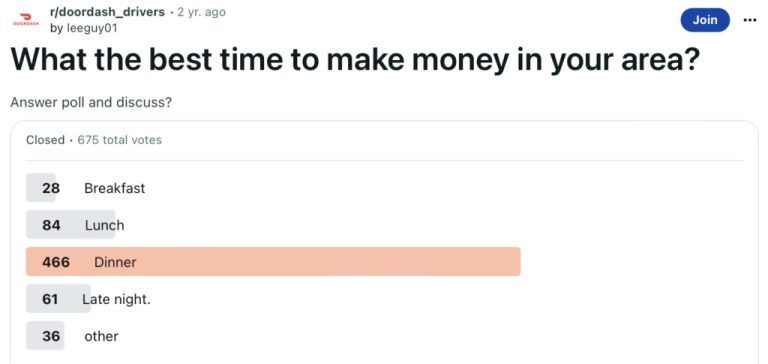
Small routine changes can noticeably improve your net income. Work during predictable demand windows — lunchtime and evening dinner peaks — and prioritize short-distance deliveries that keep you in busy zones. Use curbside pickup when available to avoid long waits, and decline lengthy deadhead trips that pull you away from high-demand areas. Track mileage and set aside funds for maintenance and taxes to avoid surprises. Example tactics: start shifts near restaurant clusters, keep insulated bags and a phone mount for faster pickups, and use “multi-apping” (running multiple delivery apps) selectively to reduce downtime while avoiding order conflicts.
6. Driver perspectives: common wins and real frustrations
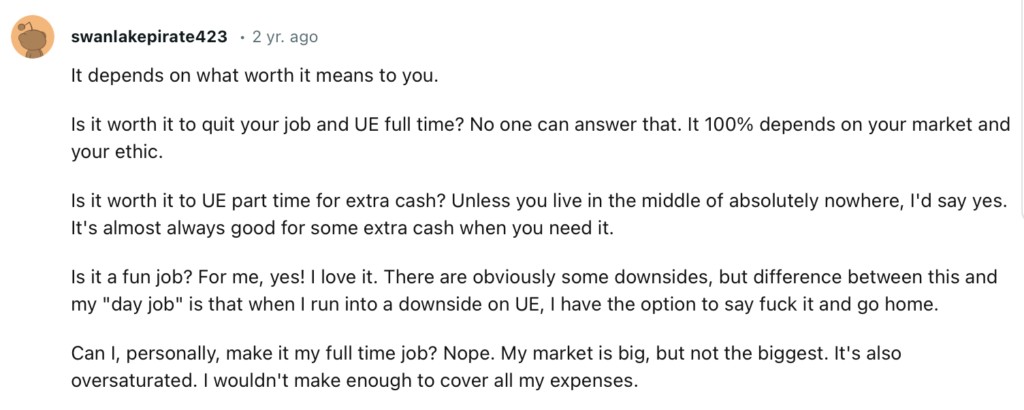
Firsthand accounts from couriers reveal a mix of enthusiasm for the freedom and frustration with unpredictability. Many praise the convenience of logging in only when they want and the occasional high-earning rush shift; others mention low-paying long trips, slow days, or difficulty getting timely support from the platform. Real examples include a rider who uses weekend evenings to top up income and a suburban driver who finds more success with grocery deliveries than late-night food drops. These mixed stories underscore that outcomes vary by market, vehicle type and how much effort a driver invests in learning local patterns.
7. When another app or grocery delivery makes more sense
Food delivery is just one option among several gig opportunities. Competing platforms often differ by geographic strength, customer base and pay structure; some perform better in suburbs, others in dense urban neighborhoods. Grocery shopping and delivery services require more time per order but can offer higher pay per trip, which may suit drivers who prefer fewer stops. Practical example: if your evening food delivery volume is thin in a given neighborhood, pivoting to a grocery app or trying a different restaurant-focused platform for two weeks can reveal which option yields steadier earnings in your area.
8. How to decide: side hustle, supplement, or no thanks
Whether the gig is ‘worth it’ depends on your goals: a short-term side hustle to cover rent or a flexible way to earn on weekends can be ideal, while relying on it as a primary income source comes with risks. Consider your schedule, vehicle costs, and tolerance for variability. Example scenarios: a student may find a few evening shifts per week perfect for pocket money, while someone needing steady monthly income might prefer a regular part-time job or a mix of gig apps to smooth earnings. Try a time-limited experiment — track hours, earnings and expenses — to evaluate fit.
9. A practical game plan for your first month
Begin with a two- to four-week trial that focuses on learning rather than maximizing earnings immediately. Set clear tracking: record hours worked, gross pay, miles driven and all related expenses. Test different time blocks to find local peak windows and experiment with more than one delivery app to compare opportunities. Keep customer service simple — arrive on time, secure food carefully, and be polite — because better ratings and tips add up. By month’s end you’ll have a realistic picture of net income and whether this route fits your life and financial goals.
If you value flexibility and can manage the variable income and vehicle costs, food delivery can serve as a useful side income. Take a measured trial period, track your true costs, and adapt your strategy based on local demand to know for sure.