Stuck on the Instacart Waitlist? Practical Steps to Get Ready and Keep Earning

If your Instacart application landed you on a waitlist, you’re far from alone. This guide breaks down what that holding pattern means, how to stay prepared, and smart alternatives to earn while you wait.
1. What the Waitlist Really Means for New Shoppers
When Instacart tells you there aren’t open spots, it’s signaling a market balance: more active shoppers than available orders in a particular area. That doesn’t reflect your eligibility — it’s logistics. Expect background checks and basic onboarding steps to still happen while you wait; once a zone needs more help, the company will invite applicants to finish setup. Practical example: someone in a quiet suburb might see the message for months, while an applicant in a busy neighborhood could be tapped in days. Keep your account details current so you can accept an invitation the moment it arrives.
2. Answers to the Questions New Applicants Ask Most
Applicants commonly wonder why the wait occurs, how long it lasts, and what the entry requirements are. The core reason is supply and demand in your local zone; the timeline varies and there’s no guaranteed waiting period. Basic requirements generally include being legally able to work, having a reliable device, and passing a background check for safety. To find out your status, check the app and your email regularly, and keep documents like your license and direct-deposit info ready. Example: if the app status reads that spots are unavailable, that’s your cue to confirm paperwork is up to date rather than reapplying multiple times.
3. Tactics to Move From Waitlisted to Active Faster
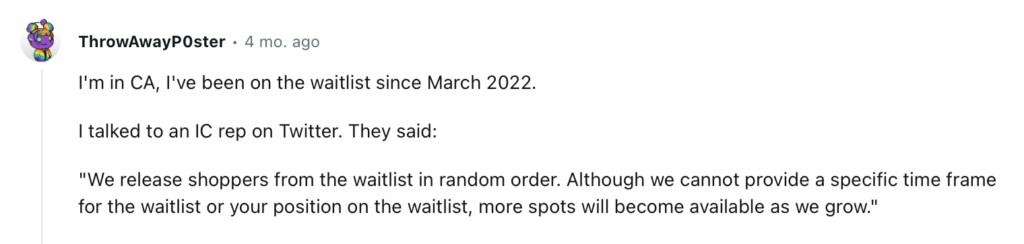
There’s no guaranteed shortcut, but some practical steps can increase your readiness and responsiveness. First, set a dedicated alert on your phone for messages from Instacart so you don’t miss an invitation. Keep your background-check documents, bank details, and ID current to avoid delays when a spot opens. If you have flexibility, experiment with nearby ZIP codes that may have more openings, but be prepared for longer trips. A referral from an active shopper has helped some people get approved sooner — it won’t always work, but it’s worth asking a friend. Finally, communicate politely with support if you need clarification; clear, concise requests are more effective than repeated inquiries.
4. Side Hustles and Prep Work That Pay While You Wait

Turn waiting into productive earning time by exploring other gig options and prepping for your future role. Food-delivery apps offer flexible shifts you can pick up right away; task platforms let you sell odd-job skills like furniture assembly or yard work; pet-sitting services are another low-barrier option if you enjoy animals. Also use this window to practice efficient shopping routes, learn the app interface from online tutorials, and organize a checklist of supplies (insulated bags, car phone mount). Example plan: sign up for one delivery app, schedule a couple of weekend shifts, and spend weekday evenings polishing your profile and uploading required documents.
5. What to Keep in Mind Until You Get the Green Light
Patience and preparation are your best assets while you wait. The waitlist exists to match worker supply with customer demand, so timelines shift with local conditions and seasonal surges. Stay proactive by monitoring your application, avoiding duplicate submissions, and maintaining a clean, up-to-date file of required documents to avoid last-minute hiccups. Have a launch checklist ready — app login tested, payment set up, and basic gear in place — so you can accept work immediately. Example: set a reminder to review your account weekly and run a mock onboarding checklist so you can move straight into earning when a spot opens.
Being on a waitlist can feel frustrating, but viewing it as a pause for preparation helps. Keep your paperwork current, explore other flexible income options, and be ready to respond the moment Instacart invites you to start. That readiness is what turns waiting into opportunity.