Dash Smarter: How to Choose Between Hourly Pay and Per-Order Earnings on DoorDash

If you drive for DoorDash or are thinking about starting, the platform’s two pay styles — hourly-style guarantees and per-order payouts — shape how your time converts to income. This guide breaks down how each system works, the trade-offs to consider, and clear, practical steps you can use tonight to protect your time and earnings.
1. How DoorDash Structures Your Pay
DoorDash funnels delivery work through two main approaches: a time-based guarantee for active deliveries and individual payouts tied to each accepted order. Both channels factor in a base component provided by the platform, customer tips, and occasional bonuses during busy windows. Your net take-home also depends on out-of-pocket costs like fuel and vehicle upkeep, and on how much control you have over which jobs you accept. Practical example: a driver in a busy downtown neighborhood may collect more small, frequent orders with modest tips, while someone in a quieter suburb might prefer steadier guarantees if order volume is unpredictable.
2. Earnings Per Offer: Pick What Fits Your Schedule
Earn-per-offer mode shows an estimated payout before you accept, letting you decline jobs that don’t compensate your time or miles. That upfront info makes it possible to prioritize short, high-tip runs or avoid long, low-paying trips. It’s a good fit for drivers who enjoy choice and don’t mind intermittent gaps between orders. Practical example: if you see a nearby restaurant with a short drop-off and a visible tip, you can accept it and then wait for another nearby offer, stacking efficient runs and minimizing wasted miles. Use this mode when demand is strong and order quality is high.
3. How the Time-Based Option Actually Works
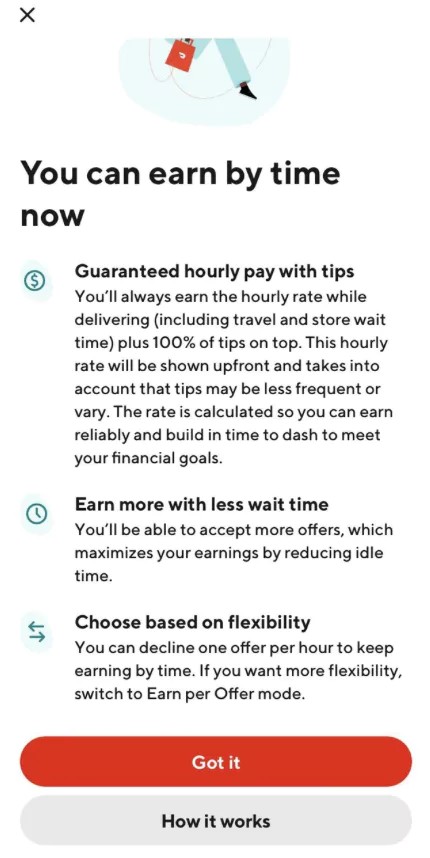
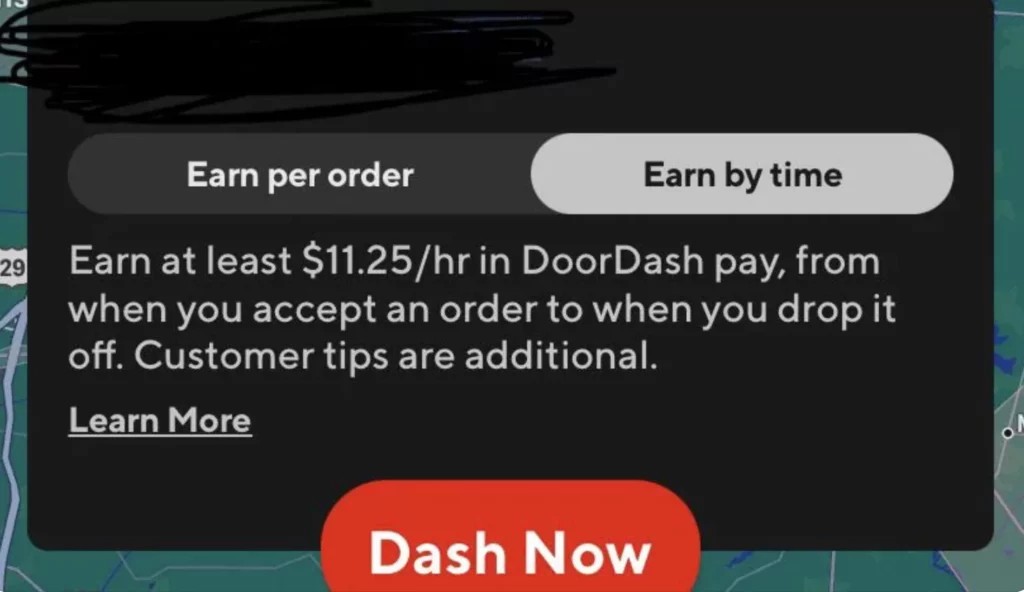
The time-based option guarantees pay for your active delivery minutes — from accepting an assignment through the final drop-off — rather than for waiting or travel back to a hotspot. That means your clocked time tends to be the hands-on portions of each trip. Drivers who prefer predictable hourly-like pay often choose this mode during slow stretches or late shifts with restaurant waits. Practical example: if you’re parked at a busy chain with frequent, slow orders, time-based pay can smooth earnings for the actual pickup and delivery work, but remember that deadhead mileage between jobs is typically not compensated.
4. Common Complaints and Pitfalls with Time-Based Pay
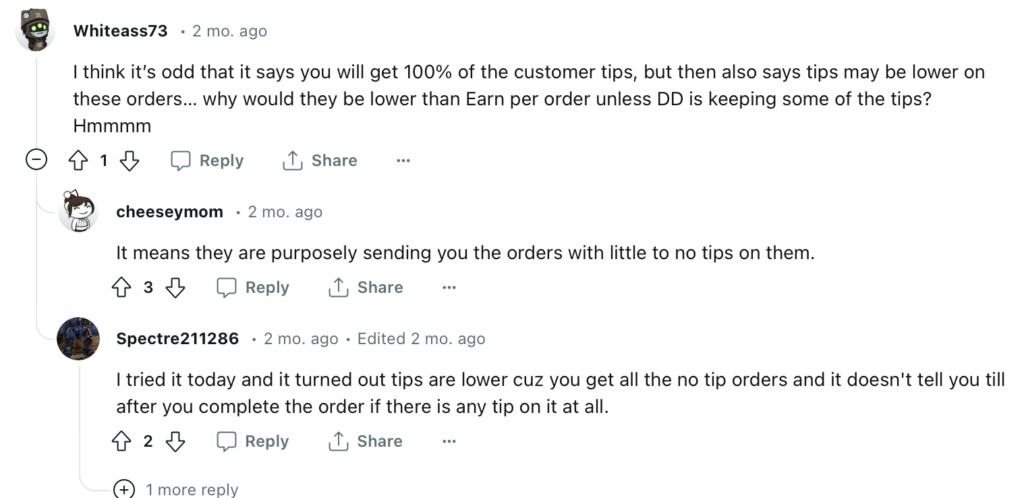
Many drivers point to two frustrations with time-based offers: loss of selectivity and unpaid gaps. Because the system can limit how many orders you decline, you may face assignments that push long distances or deliver small tips. Also, since only active delivery minutes count, long returns or waiting between dashes can reduce the hourly feel. Practical example: a driver who accepts a late-night drive-thru order might find the pickup and drop-off are covered, but the lengthy drive back to a populated zone is unpaid, making that particular run less efficient than it first appeared.
5. A Simple Decision Framework to Choose a Mode
Choosing a mode comes down to three quick questions: do you value steadiness or flexibility; is your local demand high or low; and how experienced are you at evaluating order value? If you prefer predictable returns and have trouble reading market flow, time-based might ease the learning curve. If you’re practiced at spotting lucrative, nearby offers and can afford intermittent downtime, per-offer usually rewards that skill. Practical example: try a pattern for one week — mornings on per-offer when lunch rushes are strong, and evenings on time-based during quiet late-night hours — then compare your logs to see which paid better after expenses.
6. When One Mode Often Outperforms the Other
No universal winner exists; context matters. Per-order often pays better in busy markets where short, high-tip runs are plentiful. Time-based setups can make more sense in slow zones, during long restaurant waits, or when you’re building a baseline income for budgeting. The best drivers switch modes rather than committing permanently: use per-offer when demand surges and revert to time-based on lean nights. Practical example: if weekend evenings flood a city with orders, per-offer lets you cherry-pick frequent lucrative runs. If a holiday morning is sluggish, a time guarantee can reduce the risk of long unpaid stretches.
7. Universal Habits That Protect Your Bottom Line
Certain routines raise earnings regardless of which pay style you pick: schedule shifts during known busy windows, select delivery zones with favorable tradeoffs between volume and distance, and track all driving costs for clearer math on profitability. Using multiple apps can reduce idle time and smooth income. Practical example: pre-schedule a midday block in a restaurant-dense part of town, pair DoorDash with another delivery app during slow periods, and record fuel and maintenance in a simple spreadsheet to see which shifts actually made money after expenses.
8. Tactics That Work Best in Each Mode
Tailoring behavior to your selected mode boosts results: in time-based mode, keep acceptance high and focus on fast pickups and drop-offs to maximize paid active minutes; in per-offer mode, be choosy and prioritize short trips with healthy tips or blocks of nearby deliveries. Also watch for platform promotions that augment either mode. Practical example: during a time-based block, decline complex multi-restaurant batches if they’ll delay deliveries; while per-offer, filter out distant jobs and wait for orders that stack efficiently in one area.
9. Answers to Common Operational Questions
Drivers often ask whether they can switch modes easily, whether waiting time is paid, and how availability affects access to time guarantees. In general, you can switch modes between dashes, waiting availability permitting, and active delivery minutes determine time-based pay. Waiting between assignments or long drives back to a hotspot are typically unpaid, so planning matters. Practical example: if time-based is locked in your market, try scheduling or ending and restarting a dash later; always check the app for the mode that’s available at a given moment and consider lining up a secondary app to avoid unpaid gaps.
Both pay styles have places where they shine. Track your shifts, tally expenses, and experiment: switching modes by time of day and neighborhood usually yields the clearest picture of what truly pays after gas and wear-and-tear. Use the strategies above to make small, testable changes and refine your approach over a few weeks.