When to Shop for Instacart: A Practical Guide to Timing Your Side Hustle for Better Orders
Timing can tilt a gig from hobby to dependable side income. This guide walks through the key ways timing affects your Instacart runs and gives practical habits you can test in your market so you spend less time guessing and more time earning.
1. Why the Clock Changes Your Paycheck
Time of day and day of week shape how many orders appear, how fast they move, and the bonuses available. When demand spikes, the app may offer extra pay or more orders, while quieter windows can mean longer waits between batches. Competition matters too: when lots of shoppers are active, popular batches disappear quickly. Practical example: if you know late afternoons are crowded with other shoppers in your area, try working a quieter block earlier or later and track whether you accept more full orders with easier navigation. Monitor how many batches you get per hour and whether the hours you choose lead to higher tips or more repeat customers.
2. Which Days Tend to Be Luckier (and Which Don’t)
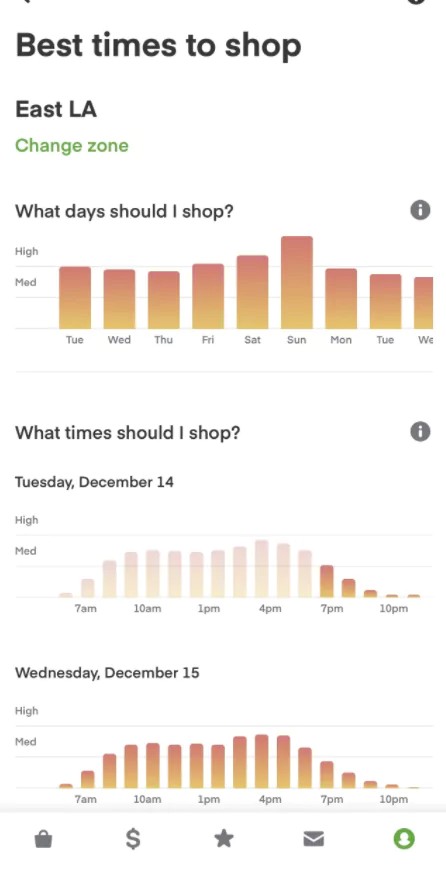
Certain days consistently produce more grocery traffic because people plan, cook, or host gatherings. Weekend days often show heavier order flow as customers who work weekdays do larger shops, while midweek can dip in some markets. That said, some weekdays—particularly those that sandwich holidays or follow paydays—can also be busy. Practical example: try working a Saturday and a Tuesday the next week, logging accepted batches and average time per order. Over several weeks, you’ll see patterns: maybe Saturdays bring larger orders while Tuesdays bring quick, near-by batches. Use that pattern to schedule heavier shifts on high-volume days and reserve low-volume days for errands or other gig apps.
3. Time-of-Day Tactics That Reduce Downtime
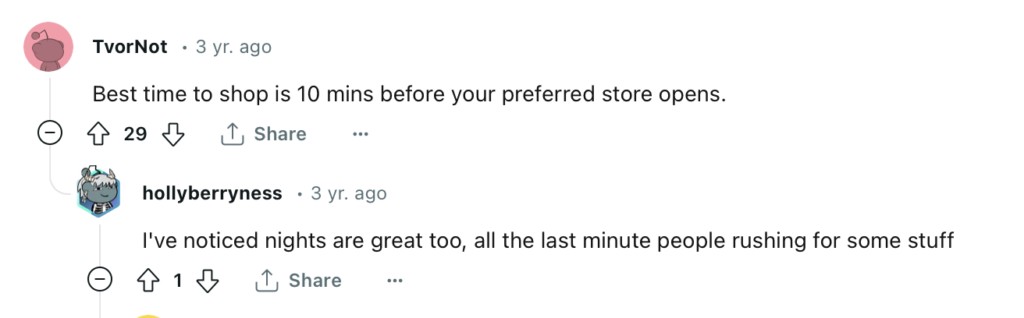
Daily rhythms—when people cook, commute, or settle in—drive demand peaks. Early in the day fewer shoppers may be active, giving you a chance to secure good batches with less competition, while evening windows often concentrate orders as households finish work. Location matters: dense urban zones will have different busiest hours than suburban areas. Practical examples: position yourself near a busy store entrance or parking lot before an expected surge to catch new batches, or reserve late shifts if you prefer lower parking hassle. Keep a simple log: note start time, orders accepted, and average delivery distance to identify which hours raise your hourly return.
4. A Practical Method: Track, Test, Repeat
Treat your schedule like a small experiment. Start by tracking key metrics—orders per hour, time per order, average tip, and miles driven—then try two different approaches for a set period and compare results. Use a spreadsheet or a free tracking app to log outcomes so you can spot meaningful trends instead of trusting a single good day. Practical example: test mornings for two weeks, then test evenings for two weeks, logging the same fields each run. Combine that with the app’s internal cues about busy times and community reports, then refine: keep the windows that produce higher net pay after fuel and time are accounted for.
5. Smart Habits That Improve Every Shift
Small operational choices add up: multi-apping across delivery platforms, learning store layouts, and keeping clear communication with customers all tilt the odds in your favor. Multi-apping can fill gaps when Instacart is slow—just be realistic about travel time and app attention. Speed and accuracy in the store reduce time per order, while polite, timely messages and thoughtful substitution choices improve tips and ratings. Practical examples: carry a set of reusable bags and a compact scanner to move faster, run Instacart alongside a food-delivery app when orders don’t conflict, and send a quick photo or message when a requested item is out to keep the customer informed.
6. Seasons and Holiday Windows: Expect Shifts

Weather and calendar events reshape grocery demand—cold, wet days can push more customers to order in, while holiday periods often create surges from party planning or special meals. These windows bring more orders but also heavier traffic, fuller stores, and longer shopping times. Practical advice: prepare for spikes by planning extra time for deliveries, keeping your vehicle stocked with essentials, and scouting alternate parking or routing options ahead of busy holiday markets. If you plan to work during major holidays, block extra hours and expect larger orders that take more time to fulfill but can be worth the effort when balanced against travel and wait time.
7. Local Patterns: Use Your Town’s Calendar
Neighborhood dynamics—like sports schedules, local markets, and school calendars—can create predictable pockets of demand. A big game night or a concert will change traffic and ordering behavior nearby, sometimes opening convenient windows for quick, lucrative runs. Practical example: keep an eye on municipal event listings and local team schedules; if a stadium event ends at a known time, consider working the pre- or post-event windows when people order last-minute snacks or supplies. Also, on rainy days or when public transit is disrupted, plan for increased delivery volume and adapt your shift lengths accordingly.
8. Build a Personal Schedule That Fits Your Market
There’s no universal best hour—your most profitable schedule blends market demand, your rating and status on the platform, fuel costs, and personal availability. If you’re not getting top-priority batches, try quieter windows when fewer shoppers are online. If you can work high-traffic windows, balance the faster turnover against parking and traffic hassles. Practical steps: review your logs monthly, keep improving ratings by communicating clearly, and rotate experiment blocks to confirm what still works as neighborhoods evolve. Over time this approach turns fleeting luck into consistent, predictable shifts that match your life and goals.
Timing matters, but so does a method: measure your results, try small experiments, and adapt to local rhythms. With a few tracking habits and smarter shift choices, you can make each hour you work more efficient and more rewarding.