Is Pet-Sitting on Rover Right for You? A Practical Guide to Getting Started and Earning More

If you love animals and need a flexible way to earn extra money, pet-sitting apps can be a natural fit. This article walks you through what Rover is, how the platform works, how to present yourself, and realistic ways to grow bookings without assuming prior experience. Read on for step-by-step examples, what to watch for, and alternatives so you can decide whether this hustle suits your life and schedule.
1. What Rover Does and who it connects you with
Rover is an online marketplace that links pet owners with people offering pet care services in their area. Think of it as a matching platform where clients post needs—walks, overnight stays in a sitter’s home, daytime care, drop-in visits, or house sitting—and local caregivers apply or accept bookings. For example, a busy parent might search for weekday dog walkers, while a traveler needs someone to host their cat for several nights. The platform provides messaging so you can meet and discuss expectations before a booking. It’s built for flexibility: you choose the services you’ll list, when you’re available, and which requests to accept or decline.
2. Is Rover a Good Fit for Your Schedule and Goals?
Deciding whether Rover is worth it starts with clarifying what you want: steady part-time income, occasional weekend work, or a full-time business. Consider your weekly availability—short walks before work differ from multi-night stays—and how much hands-on pet care you enjoy. For instance, someone who wants a daily routine might focus on recurring dog walks for a handful of neighbors, while another person might prefer hosting weekend boarders. Also weigh non-monetary benefits: regular exercise, companionship, and meeting neighbors. Balance these against responsibilities like cleaning, transportation, and last-minute scheduling. A short trial—accept a few local drop-in visits—can reveal whether the rhythm and client interactions match your expectations.
3. How to Join and Build a Trusted Sitter Profile
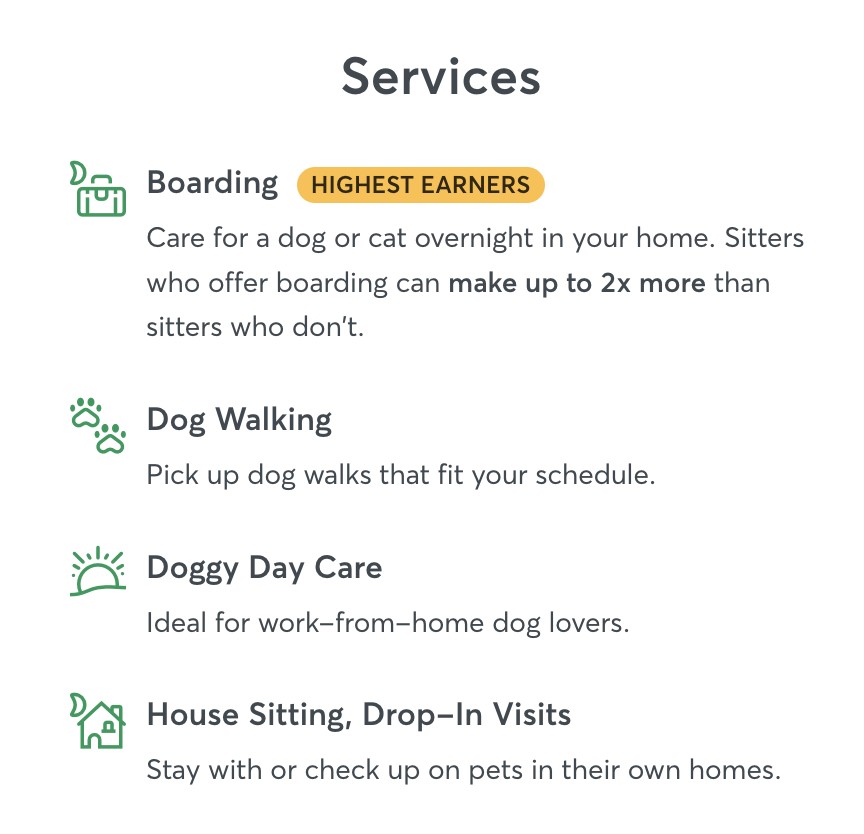
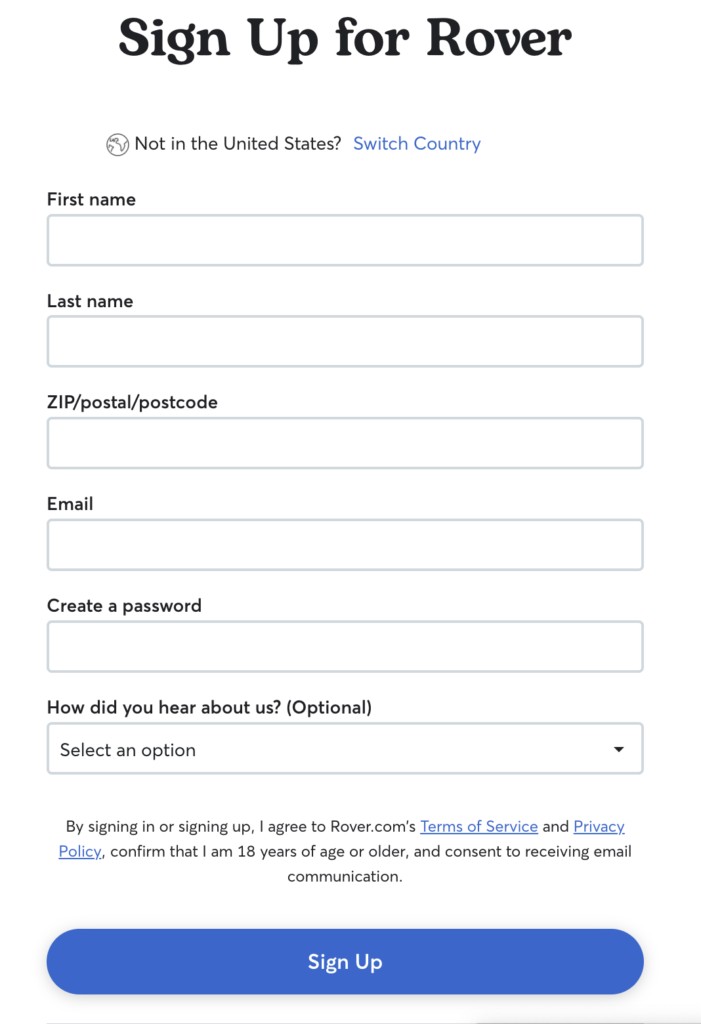
Getting started typically means creating a profile, verifying your identity, completing safety and background checks, and choosing services you’ll offer. Treat your profile like a small business page: clear headshot with a pet, an honest headline, and a detailed description of experience and routine. Practical example: list a sample weekday schedule, note if you have a fenced yard, and describe your approach to medicine or feeding instructions. Upload photos of your home or walks and add references from past pet care jobs or volunteer work. Completing optional safety quizzes or verified checks increases credibility. Respond promptly to leads—replying within a day makes you more likely to win that first booking.
4. Practical Profile and Pricing Tips That Win Repeat Clients
Small profile adjustments can have big results. Use a friendly opening line—”calm, experienced dog sitter who loves long walks”—then bullet specific offerings like crate-free nights or GPS-tracked walks. For pricing, survey other sitters nearby and set a starting rate that reflects your experience and overhead; offer a modest loyalty discount to encourage returning clients. Example: advertise a package for three walks per week at a small savings, or a reduced nightly rate for extended stays. Keep your calendar up-to-date and use the platform’s messaging to send a warm, short welcome message after bookings. Track one or two client-sourced improvements—such as adding a photo update during each visit—to raise repeat bookings and positive reviews.
5. Preparing for Meet-and-Greets and Everyday Pet Care
A meet-and-greet is a valuable chance to learn a pet’s quirks and confirm fit. Use this visit to ask about favorite toys, feeding routines, bathroom habits, and emergency contacts. Bring simple supplies: a spare leash, collapsible water bowl, and a sheet to protect furniture if you’ll be hosting. In practice, a sitter might discover a timid dog who barks at strangers; the meet-and-greet lets you establish a calm routine and gain the owner’s trust. Record the owner’s vet contact and any medication instructions in your notes. During care, send at least one photo and a short update—these small touches help owners relax and encourage positive reviews that build your reputation.
6. How Payments, Fees and Getting Paid Usually Work
The platform collects payments from clients and releases funds to sitters after services are completed. You’ll enter payout details so funds can be sent to your chosen account or service, and the platform may hold payments briefly to confirm the booking is complete. Familiarize yourself with how and when payouts arrive in your area and whether processing options (like direct deposit or third-party services) differ in timing or costs. When planning finances, account for platform fees and your own expenses—supplies, travel, and taxes—so your rates remain sustainable. Practical step: set aside a small portion of each payout for supplies and a separate tax account to simplify bookkeeping.
7. Referral Programs and How to Use Them Strategically
Many platforms reward current users who refer new sitters or pet owners. The mechanics vary, but typically you’ll share a unique link; when someone signs up and completes an initial booking, you receive credit or a bonus. Use referrals strategically: share your link in local community groups, neighborhood message boards, or with friends who travel and might need sitters. Example workflow: introduce the platform in a neighborhood parenting group, offer a short testimonial about your experience, and include your referral link. Always follow platform rules about solicitation and avoid spamming; a personal message explaining why you trust the service often performs better than a mass post.
8. Reading Other Users’ Experiences—What to Look For
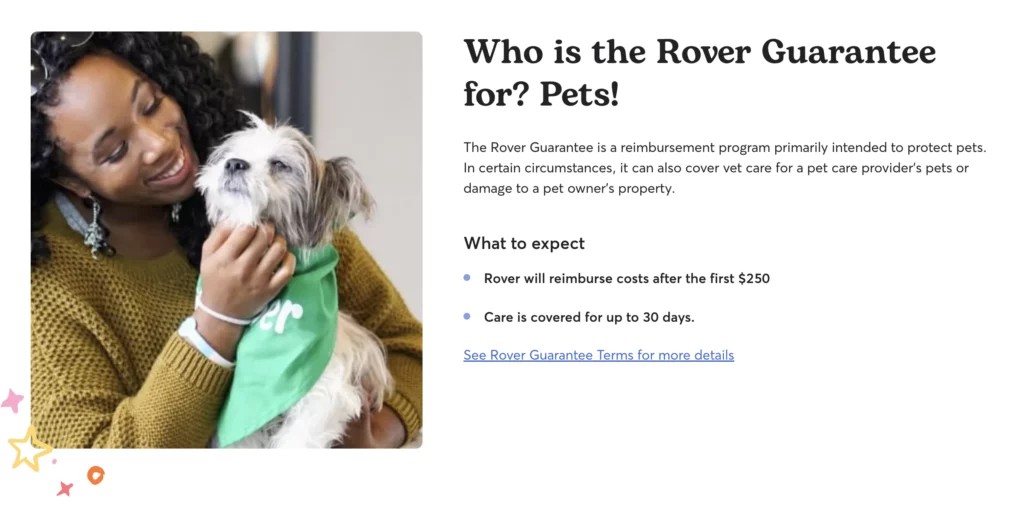
User reviews and forum threads offer useful context but read them with a critical eye. Look for patterns—consistent praise for responsiveness or repeated complaints about calendar glitches are more meaningful than a single bad interaction. For example, if multiple sitters mention long dispute resolution times, factor that into your decision about relying on platform protections. Seek examples of how sitters handled emergencies, cancellations, or tricky client requests. Balance negative feedback with practical solutions: if a sitter notes the platform takes a commission, learn how they adjusted rates to stay profitable. Combining reviews with a trial run—take a few small jobs before committing—helps you form your own opinion.
9. Clear Pros and Trade-offs to Weigh Before You Start
Working through an app has clear upsides: flexible hours, the chance to spend time with animals, and a built-in audience of clients. Yet there are trade-offs: competition in popular areas, responsibilities for supplies and transportation, and occasional demanding clients or pets. Example pros: pick your days, build regular clients, and earn while staying active. Example trade-offs: you may handle cancellations, cover extra cleaning after a messy stay, or invest time in profile-building and messaging. Think about how much time you’ll dedicate to admin—responding to messages, updating your calendar, and managing bookings. Preparing for both sides helps you set realistic expectations and avoid burnout.
10. Other Apps and Options If Rover Isn’t Your Best Match
If you’re exploring alternatives, consider other apps and local options that serve pet owners. Some services focus on on-demand walks, while others are broad care marketplaces or neighborhood boards. Example choices include apps with on-demand walking features, community bulletin boards that connect you directly with owners, or general care sites that list pet care alongside other services. When comparing, check application requirements, fee structures, insurance or protection features, and how easy it is to convert leads into repeat clients. A practical approach: try one or two platforms concurrently and compare bookings and net pay over a month to see which suits your workflow and local demand.
11. Frequently Asked Practical Questions, Answered
Prospective sitters commonly ask about tips, taxes, and safety. Tips are optional and often handled through the platform or in cash; a polite follow-up message after a job can gently encourage feedback. Treat earnings as self-employment income and track both revenue and deductible expenses like supplies and travel. Safety steps include a meet-and-greet, keeping emergency vet contact info handy, and asking owners about medical or behavioral needs beforehand. If payments or disputes arise, document communication and consult the platform’s help center. Practical tip: keep a simple spreadsheet of bookings, dates, client names, payout amounts, and expenses to simplify tax time and business decisions.
12. Final Thoughts: How to Decide and a Low-Risk Way to Try It
If you’re curious but cautious, start with a limited experiment: accept a few short bookings in your neighborhood—drop-in visits or single walks—so you can learn the process and client expectations without heavy time commitments. Monitor how much time each job takes, factor in travel and supplies, and note which types of bookings you enjoy most. Over a few weeks you’ll see whether repeat business grows and whether the income justifies the effort. If it clicks, gradually expand availability and fine-tune pricing and services; if not, you’ll have real experience to compare with other side-hustle options.
Pet-sitting through a platform can be a delightful and flexible way to earn extra money if you plan realistically, protect your time, and prioritize clear communication. Try a few low-commitment jobs, track your costs and client feedback, and then decide whether to scale up or explore other options.