Sweepstakes Smarts: What to Know Before You Try PrizeGrab

Sweepstakes sites can be entertaining, promising the thrill of a surprise win without an upfront cost. If you’re curious about PrizeGrab, this guide walks through how the site works, what it offers, and whether it’s a smart way to spend your spare time. Read on for clear, practical takeaways and simple examples so you can decide if it fits your lifestyle.
1. What PrizeGrab Is — and What It Isn’t
PrizeGrab is an online sweepstakes hub where people enter drawings for everything from cash-like awards to merchandise and gift cards. It presents a catalogue of contests you can join for free, but it’s not a replacement for steady income or a fundraising platform. Think of it as a chance-based pastime: you can browse and enter contests for things that interest you, but you should treat any potential payout as a rare bonus rather than a plan. Practical example: if you enjoy window-shopping online, signing up to enter a few weekly draws can be entertaining; if you need reliable cash for bills, prioritize paid gigs instead.
2. How Entry Works: A Simple Walkthrough
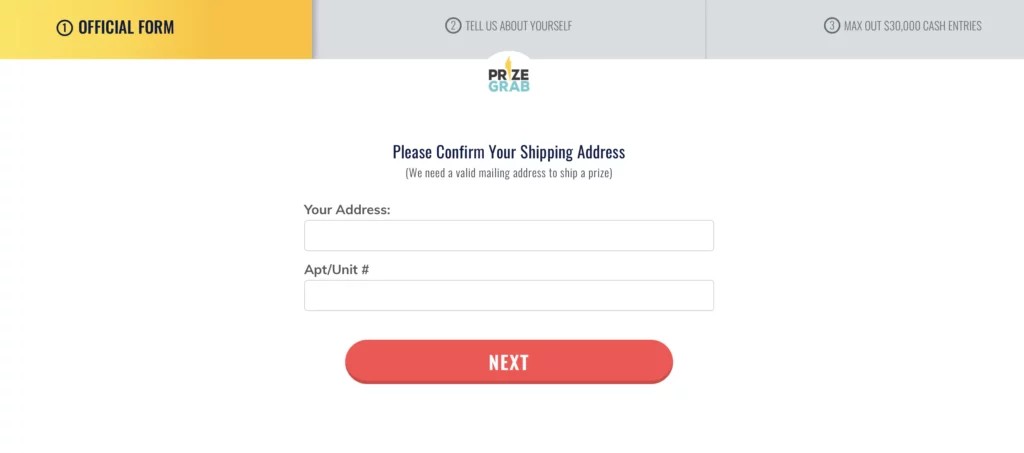
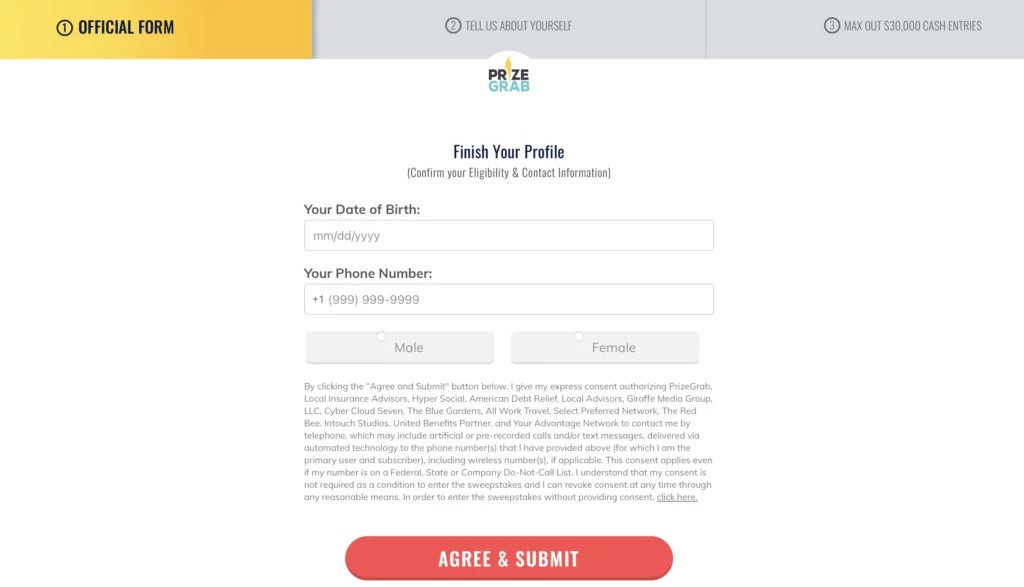
Getting started typically involves creating a free account and confirming your contact details. Once inside, contests are listed with entry buttons and rules that explain how many times you can enter and what extra actions — like watching a short video or following a social account — can earn bonus entries. Winners are selected at random and notified through the contact method you provided; successful claimants then follow instructions to receive their prize. Practical example: you might set aside ten minutes a day to log in, confirm a few entries, and watch a promo clip for extra chances; this keeps participation regular without consuming your whole evening.
3. What People Enter to Win: Categories and Typical Items
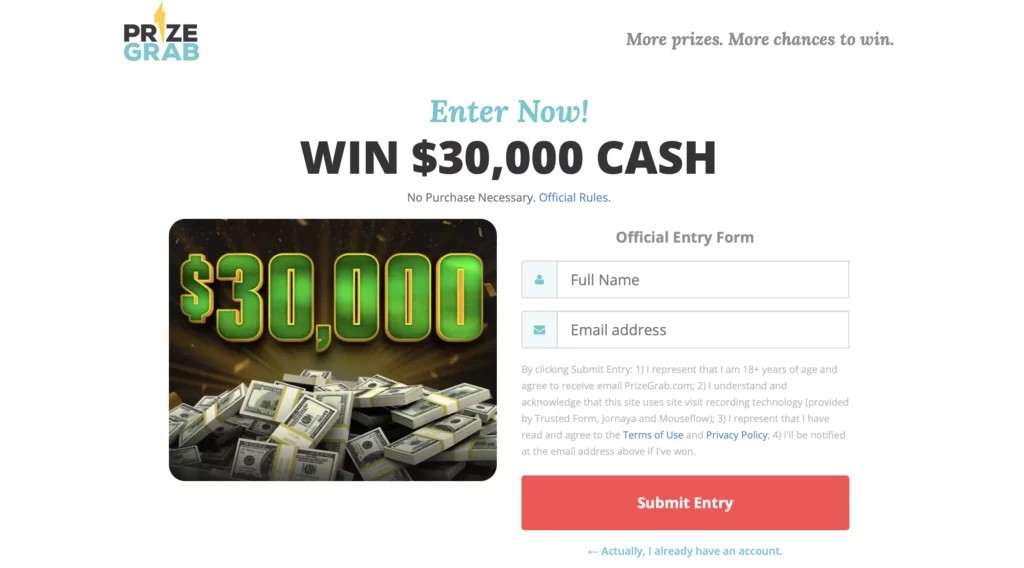
The site’s sweepstakes cover familiar categories: cash-like awards, e-gift cards from retailers, electronics such as laptops or phones, and household items like kitchen appliances. Some contests also offer travel vouchers or fashion pieces. Prizes rotate, with new promos appearing frequently alongside longer-running draws. Practical example: one week you might enter for a popular wireless headset and a supermarket gift card; the next week you could try for an appliance or a general cash award. Remember: flashy winner videos or highlighted large prizes are marketing tools—if you play, focus on categories you’d actually use so any small win feels worthwhile.
4. How the Platform Generates Revenue
Although joining contests is marketed as free, the platform monetizes attention and data. Common revenue streams include on-site advertising, sponsored posts and emails, affiliate commissions for partner offers, and sharing or licensing user contact information to third parties. In practice, you’ll likely see partner sign-up offers during registration and receive regularly scheduled promotional emails. Practical example: during signup you may be invited to try a partner’s trial service; if you accept, the sweepstakes site may earn a commission. To reduce unwanted messages, consider using a secondary email address and be cautious about completing paid partner offers unless you want the product or service.
5. Legitimacy: Is It a Scam or Just Slim Odds?
The platform operates as a legitimate sweepstakes portal in the sense that people report receiving prizes, yet it should not be viewed as a dependable income source. Many users describe long stretches of participation with few or no wins, while some report occasional small prizes. The return on time invested is typically low, so the key question is whether you are entering for entertainment or to earn. Practical example: if you log in ten minutes daily for fun and are delighted by a small gift card win, the experience has value; if you’re spending hours expecting regular payouts, you’ll likely be disappointed.
6. Weighing the Upsides and Downsides
There are clear benefits and downsides to consider. On the plus side, entry is free, the variety of prizes keeps things interesting, and the format is low-friction for quick participation. Downsides include the addictive nature of daily entry mechanics, frequent promotional emails, and intense competition that makes wins uncommon. Practical tips: set a daily time limit, use browser extensions or email filters to manage marketing messages, and only enter contests for items you genuinely want. This keeps the experience light and reduces the feeling of chasing an impractical jackpot.
7. What Other Users Say — Reading Reviews with a Critical Eye
User reviews of sweepstakes sites are mixed: some people share stories of multiple small wins, while others complain about excessive emails and few successes. Public ratings can be helpful, but they sometimes lean toward either highly enthusiastic anecdotes or frustrated rants, which makes discerning the typical experience tricky. Practical approach: scan reviews for consistent patterns (for example, many mentions of spammy emails or slow support response) rather than single outlier stories. Combine review reading with a short trial period so you can judge how the site fits your tolerance for promotional noise and the entertainment value it provides.
8. If You Want Earned Rewards Instead: Alternatives to Try
If you want a steadier return on time, consider established rewards platforms and gig options that pay for tasks like surveys, shopping, or short jobs. These services compensate you directly for activities and can be combined with sweepstakes for variety. For example, survey sites pay predictable amounts per survey, while delivery and task apps offer hourly-style pay. Practical example: schedule an hour once or twice a week on a rewards site to collect guaranteed points, and use ten-minute daily windows for sweepstakes if you enjoy the chance of a surprise win. Diversifying helps you balance entertainment and reliable income.
9. Practical Answers to Common Questions
People often ask whether personal details are safe, whether winners are real, and how to remove an account. A cautious approach is wise: expect marketing outreach unless you opt out or use a one-off email, and treat reported winners as anecdotes unless supported by verifiable documentation. If you want to stop participation, look for account settings or a contact form in the site’s help center to request removal and follow up if you continue to receive messages. Practical example: create a dedicated inbox for sweepstakes to isolate promotional mail and set calendar reminders to check that unsubscribe requests took effect.
10. A Practical Verdict: How to Use PrizeGrab Without Losing Time
If you decide to try the site, do so with modest expectations and guardrails. Treat it as lightweight entertainment: limit your daily time, use a secondary email address to handle promotions, and prioritize contests you’d genuinely enjoy winning. Keep a log of time spent versus small rewards received for a month to see if the hobby is worth your hours. Practical example: commit to five minutes per day for a month and review whether any wins or enjoyment justify continuing; if not, shift those minutes to a paid microtask site or another side hustle that provides clearer compensation.
PrizeGrab and similar sweepstakes sites can be a harmless, occasionally rewarding diversion if approached with realistic expectations. Use the platform for fun, protect your inbox and time, and lean on guaranteed-earn options if you need dependable income.