Remote Claw Machines: What to Know Before You Play Clawee and Similar Apps
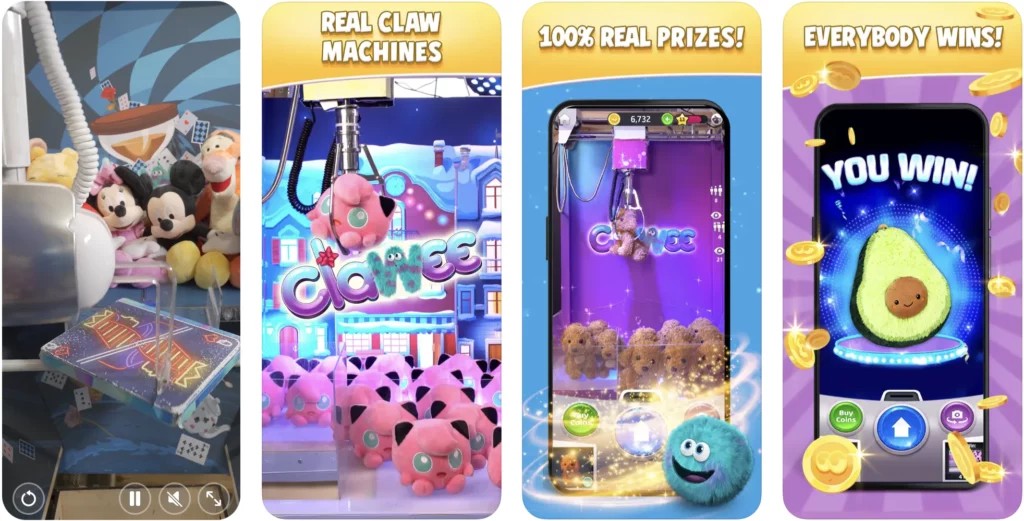
If the bright lights and grab-attempts of arcade claw machines bring a smile, apps that let you control real machines from your phone can be tempting. This guide walks through how those services operate, what players praise and complain about, alternatives to try, and practical tips to decide whether dipping in is right for your time and wallet.
1. What the app experience actually offers
These remote-claw apps pair live camera feeds with physical machines in warehouses so you can operate a real crane from your device. Instead of a simulated grab, you see motors and prizes through multiple angles, choose a machine, and attempt to take home tangible items such as plush toys, small gadgets, or collectibles. For example, you might select a Super Mario–themed cabinet, line up the claw while watching a side camera, and attempt a slide-and-grab maneuver. The thrill is closer to an arcade visit than a conventional mobile game, but it comes with trade-offs: prize types vary, some are novelty items, and winning does not always mean free doorstep delivery.
2. How a session works from install to shipping
Playing usually begins with installing the app, creating an account, and selecting a machine from a live video grid. You use on-screen controls to position the claw and press to drop it; wins go into an in-app inventory. Games and claims require the app’s internal currencies—commonly earned through logins, watching promos, or purchased outright—and some platforms add a separate key or token system for special rounds. When you claim a win, shipping can be a paid step unless you subscribe to a membership. A practical approach: test free rounds first, practice on low-stakes machines to learn camera perspectives, then decide whether to buy currency or a subscription based on how often you’ll claim physical prizes.
3. What players like—and what they don’t
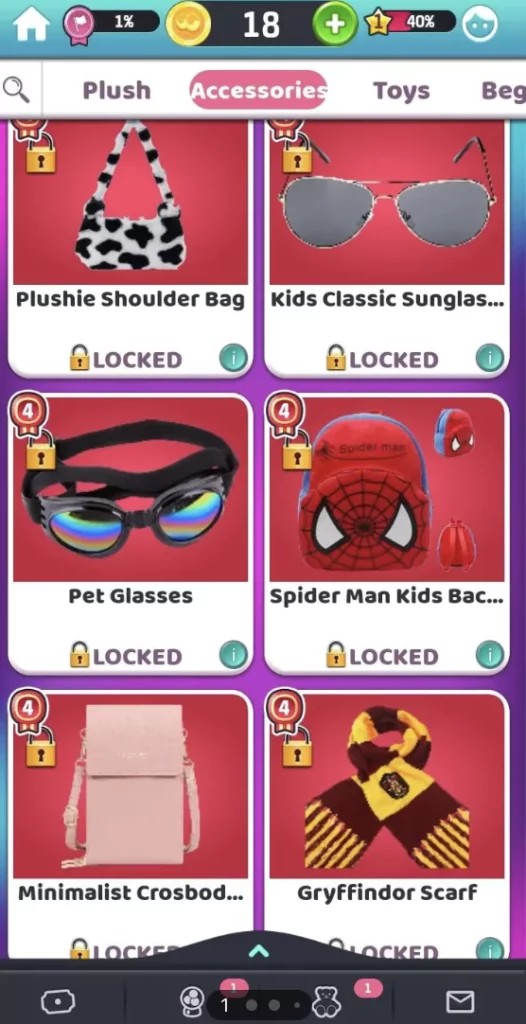
Fans praise the nostalgic satisfaction and the variety of machines and prizes: it’s easy to lose an afternoon trying different grab mechanisms or chasing that perfect plush. Membership tiers can amplify value by offering free postage, extra plays, and bonus currency. Downsides include the potential for mounting costs, occasional lag or glitches in the video feed, and uneven prize quality. For instance, chasing a hard-to-get figurine can quickly exceed the price of buying it outright, and some wins arrive smaller or cheaper in quality than they appeared on screen. The bottom line: it’s entertaining if you budget for it; it’s less ideal if you expect bargain shopping.
4. Legitimacy and common trust concerns
Platforms that dispatch physical prizes generally do ship items, but several caveats shape the experience. Shipping is often an extra cost or tied to paid memberships, delivery times can be lengthy, and the quality of items varies by supplier. Technical issues—delayed feeds, occasional mis-grabs, or billing hiccups—lead some players to question fairness. Customer support responsiveness also fluctuates in reported experiences. A realistic expectation: wins are possible and claims are fulfilled for many users, but you may encounter slow delivery, mixed product quality, or the need to communicate with support to resolve issues. Treat the app as entertainment first, with any prize a bonus rather than a guaranteed high-value reward.
5. What other players report in reviews
User feedback tends to be mixed: some players describe steady success, documenting dozens of received items after steady play or a membership purchase; others report billing errors, wrong shipments, or long waits. Common threads include praise for the gameplay’s fun factor and frustration when wins require additional payments to receive or when products don’t match expectations. For example, a player might share that subscribing to a postage plan meant all subsequent wins arrived on time, while another will warn about duplicate charges on a card and a slow dispute process. Reading a range of reviews helps separate isolated incidents from recurrent problems and set realistic expectations before spending.
6. Quick answers players often seek
Several short questions come up repeatedly: Are the prizes real? Yes—winning typically lets you claim an actual item, though quality and source can vary. Is it a live game? Most of these apps provide real-time camera control of physical machines. Is it safe to use? Reputable services encrypt payments and account data, but users should monitor card activity and read terms. Is shipping free? Usually not unless you opt into a subscription that covers postage. Is the app free to download? Generally yes, but gameplay and prize claims often depend on earned or purchased in-app currency. A simple test: play only free rounds to verify feed stability and support responsiveness before committing money.
7. Where else to get a similar experience

If you’re curious to explore beyond one platform, a few other services follow the remote-claw formula with different prize mixes and policies. Some focus on collectors and figures sourced from abroad, others emphasize cheaper plushies with global shipping, and another may promote higher-ticket electronics with monthly memberships for perks. Practical move: try a competitor that highlights the type of prizes you want—choose a platform known for anime figures if that’s your target, or one advertising free shipping if you plan to claim multiple wins. Comparing redemption rules, shipping options, and membership benefits helps you find the best fit for your playstyle and budget.
8. Is it worth your time and money?
Deciding whether to play comes down to why you’d play. If you value the nostalgic rush and social bragging rights, budgeted, occasional sessions can be delightful. If you’re aiming to save money or earn valuable goods, buying directly often makes more sense. Practical tips: set a firm spending cap before you start a session; practice on free or low-stakes machines to learn camera angles; compare the total cost of winning plus shipping against retail prices; and consider a short membership trial only if you expect regular claims. Ultimately, treat remote-claw apps as entertainment with potential physical rewards, not as a bargain shopping strategy.
Remote-claw apps can recreate arcade thrills at home, but they pair entertainment with extra steps—virtual currency, shipping choices, and variable product quality. If you play, do so with clear limits, compare alternatives, and view any prize as a treat rather than guaranteed value.