Can You Earn From Your Photos? A Practical Look at ClickASnap and Alternatives
If you love taking pictures and are curious about turning your snapshots into pocket money, platforms that pay for views or sales can be tempting. This guide walks through what ClickASnap offers, how it operates, what users commonly report, and sensible alternatives so you can decide whether to add it to your creative toolkit.
1. What this kind of photo platform does for creators
At its core, the platform covered here lets photographers upload images to a public gallery and offers ways to earn when others view or buy those photos. It combines community features—likes, comments, and follower lists—with commerce tools like digital downloads and print-on-demand. For a practical example, imagine a travel enthusiast who uploads themed albums from weekend trips; casual browsers or fans of that location may view those photos, and the photographer can also list a high-resolution file or a framed print for sale. The appeal is low-effort monetization: once images are live, they can generate visibility and modest income without negotiating individual licenses.
2. How the user experience typically flows
Getting started usually involves creating an account, choosing between free and paid membership levels, and uploading files with titles, tags, and descriptions. You choose whether images are downloadable, set visibility, and can opt in to sell prints or downloads. The platform often handles printing, fulfillment, and buyer transactions, so photographers focus on shooting and tagging. For example, a portrait photographer might upload a selection of studio shots, tag them by style and location, and enable prints; the site takes care of printing and shipping when a customer orders. Dashboards then show views, sales, and a balance you can withdraw once you meet the site’s payout rules.
3. What to expect from per-view earnings
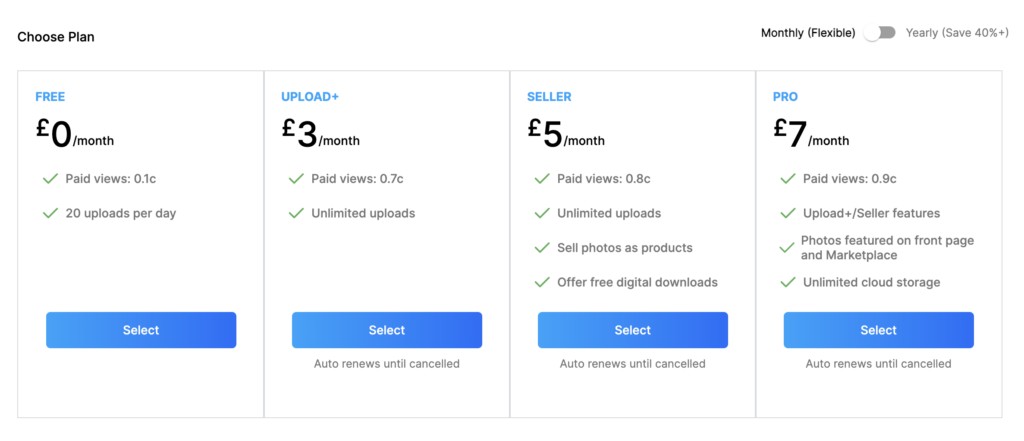
Platforms that pay per view reward attention rather than just sales, but the amount earned per qualified view is modest. This means a handful of views won’t move the needle—earnings scale with catalog size and ongoing promotion. For instance, a hobbyist who uploads dozens of strong images and shares them across social channels may see a steady trickle of small payments, while someone relying solely on organic traffic is likely to earn very little. Practical tactics to increase returns include posting consistently, optimizing titles and tags for search, sharing targeted links in niche communities, and rotating new content to encourage repeat visits.
4. Where this setup shines — and where it stumbles
There are clear advantages: you keep control of your work, can earn from views in addition to sales, and may reach a like-minded community without negotiating individual licenses. That said, limitations include low per-view payments, intense competition, and occasional site bugs or usability issues. To make it work, mix tactics: treat the platform as a visibility tool, use watermarking or low-resolution previews to protect originals, and combine it with direct sales or client work. For example, use platform exposure to funnel interested viewers to a personal shop or print order form where you capture higher margins.
5. What users commonly report in reviews
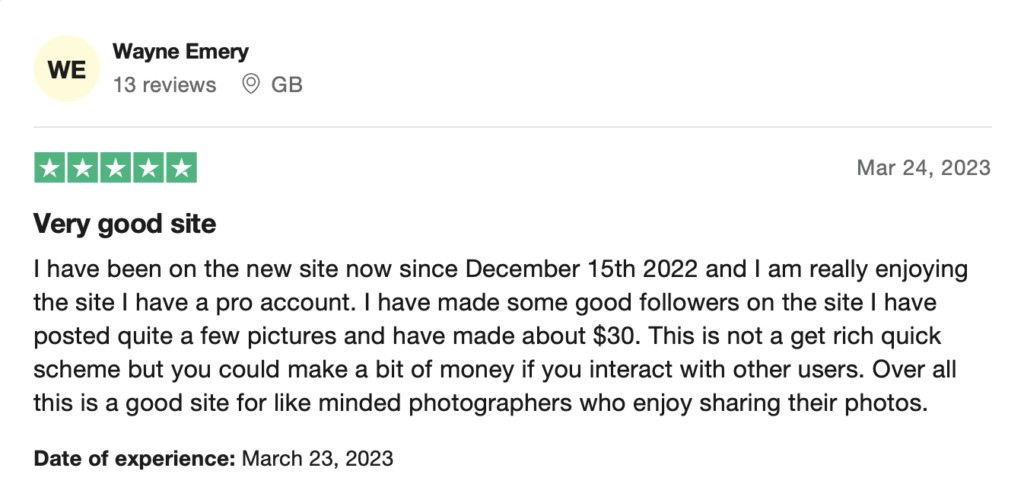
User feedback tends to be mixed. Some contributors describe earning small but real payments and enjoying community interaction, while others cite technical glitches, account restrictions, or unclear payout experiences. A practical approach when reading reviews: look for patterns rather than isolated complaints, note whether administrators respond, and check recent comments for current platform performance. For example, a photographer who read positive posts about receiving a payment and also saw replies explaining policy violations felt reassured; another who experienced upload troubles reached out to support and saved correspondence to resolve the issue if needed.
6. Practical questions about legitimacy and safety
If you’re wondering whether the service is legitimate, check for publicly available company information, clear terms of service, privacy policies, and documented payment methods. Many users report legitimate payouts, but some report problems too—so vigilance helps. Before committing, create a free account, read the rules about acceptable content, and start with a small, low-exposure batch of uploads. Keep records of earnings and correspondence, and verify payment to your account before relying on the site as an income source. Treat the platform as one income channel among several rather than a sole revenue stream.
7. Other paths photographers use to earn
If per-view payments are too small for your goals, consider alternatives: stock marketplaces that license images to editors, portfolio hosts that let you sell prints with integrated labs, or direct licensing to clients. You can also diversify by teaching—creating a photo course or a monetized channel, starting a blog with affiliate or ad income, or offering commission prints through your own shop. For example, pairing this kind of gallery exposure with a small online store can convert casual viewers into paying customers who want higher-resolution files or framed art.
8. Answers to the questions photographers ask most
Common concerns include whether you can really make money, whether the platform is worth the time, and whether it’s reliable. Short takeaways: yes, people do earn, but typically modestly; it can be worth it for exposure and small supplemental income; and experiences vary, so test it first. Practical steps include starting with a free membership to learn site mechanics, reading community advice, promoting your work on social media to increase qualified views, and tracking results so you can decide when to scale up, switch platforms, or focus on higher-paying channels.
9. How to decide whether to use it as part of your photography plan
Deciding whether to use the platform depends on your goals: exposure, community feedback, hobby income, or professional revenue. If your main aim is visibility and you enjoy community interaction, it can be a good fit. If you need substantial, predictable income, rely on client work, licensing agencies, or direct sales. A practical plan: treat the platform as an experiment—upload a curated set of images, promote them for a season, measure views versus time spent, and then either expand your catalog or redirect effort to more lucrative options. Always diversify so one stream doesn’t carry your entire income.
If you enjoy photography and want a low-friction way to earn a little while building an audience, it’s worth trying cautiously. Use it alongside other revenue streams, monitor results, and adjust your strategy based on what brings real returns.