How to Build a Stickers Business on Etsy That Actually Pays

Turning sticker-making into a dependable income starts with thinking like an inventory manager instead of a hobbyist. This guide walks you through practical steps—finding buyers, validating demand, pricing sensibly, and shipping without losing margin—so your shop can grow predictably.
1. Choose a single buyer and one clear job for your stickers
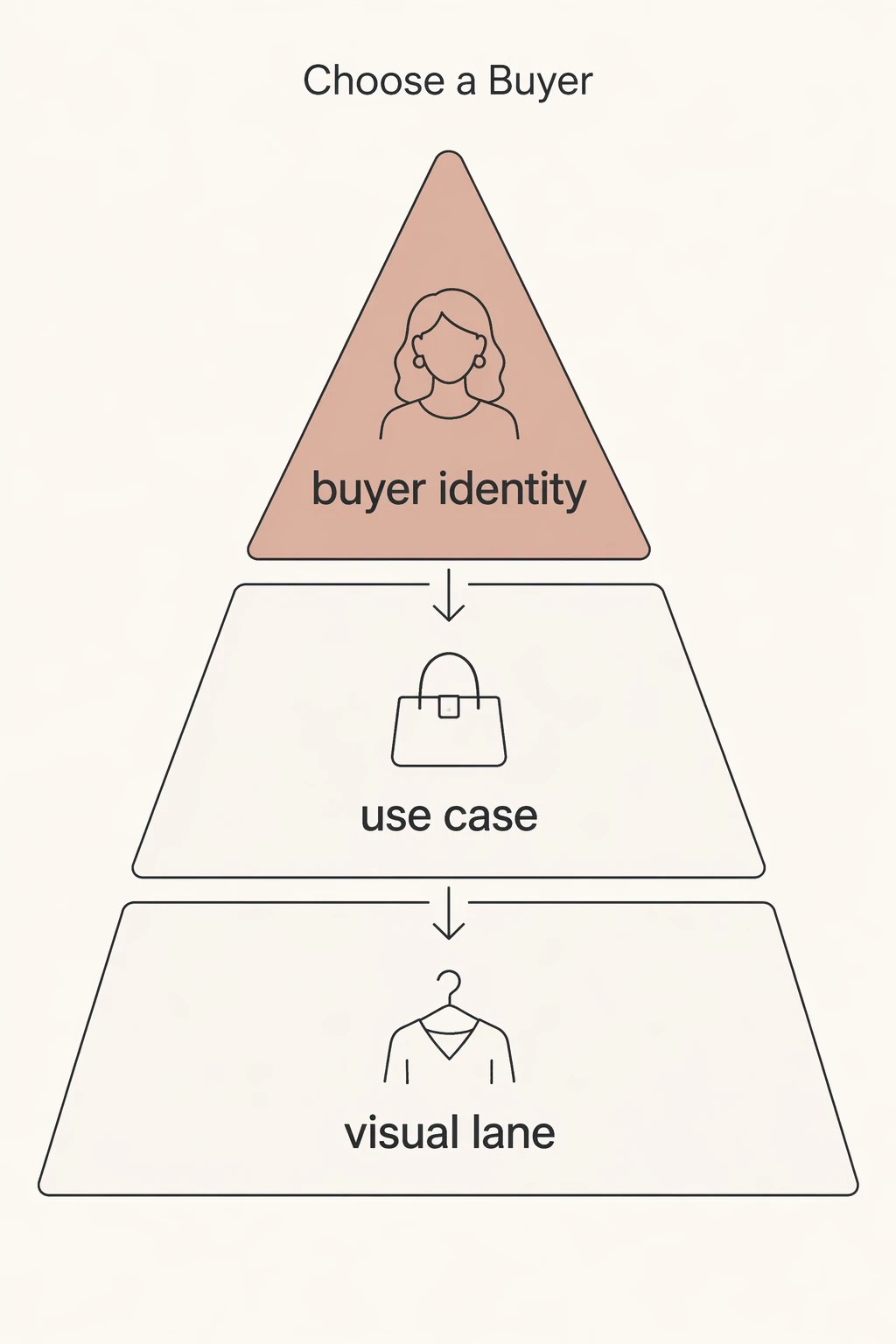
Before you sketch, name the person who will reach for their wallet. Pick one buyer identity—an elementary teacher stocking a prize box, a bride assembling welcome-bag supplies, or a plant parent labeling pots—and decide the sticker’s job for them. For example, design a set labeled “classroom reward dots” or “mini envelope seals for brides” rather than a generic floral. Narrowing to one visual lane and a single use case lets you create a memorable mini-catalog that customers return to. Be honest about the time your chosen style requires: a simple repeating motif that you can produce every Tuesday evening beats an elaborate custom portrait you can’t sustain.
2. Quick ways to check if people already want your idea
Spend a few focused minutes researching before you design. Type your concept into Etsy’s search bar and watch the autocomplete phrases customers actually use. Open top listings in that niche to see recent reviews, how many variations they offer, and which formats sellers bundle. If you want deeper signals, use a marketplace analytics tool to compare search volume and competition. The goal is a niche where shoppers are active but you can still stand out. A practical test: create one listing for a single use case and watch how it performs for a week rather than committing to a full print run.
3. Formats and themes that consistently move off the shelf

Look for repeatable problems stickers solve: claiming a water bottle, labeling a planner, or gifting a small, themed pack. Buyers often prefer sheets or small packs of related designs rather than single, solitary decals. For example, a four-sticker coffee-themed sheet sells better than a single artisanal latte decal because buyers spread them across devices or gift extras. Match shape and durability to the object the sticker will live on—weatherproof die-cut for bottles, matte paper for scrapbooks. Observe what customers hold and design for that surface rather than copying visual trends without regard for format.
4. Pick a production path that fits your schedule and goals
Decide whether you’ll print and cut at home, use a print-on-demand partner, or sell instant-download digital stickers. Making and fulfilling orders yourself gives full control over quality and packaging but requires equipment and time. Print-on-demand reduces hands-on work and scales faster, though margins shrink. Digital files eliminate shipping but attract a different buyer. Match your method to how much time you want to commit and how large you expect to grow. For instance, start with a small handmade run to validate designs, then move to a POD partner for bestsellers to increase volume without extra production nights.
5. Design for reliable production and real-world use
Keep early designs simple so they reproduce cleanly and stay legible at thumbnail size. Bold silhouettes, one or two accent colors, and minimal interior cut lines translate better to small stickers than intricate flourishes. Choose an appropriate material—weatherproof vinyl for bottles or matte paper for journaling—and design edges that won’t curl or tear. Test a sample by printing, cutting, and peeling it yourself; if it feels fiddly to remove or looks muddy at two inches wide, revise the art. Practical choices now reduce reprints and unhappy customers down the road.
6. Protect your shop by selling original work
Avoid using protected characters, brand logos, or copyrighted quotes that can lead to listing removals. Instead, channel the themes buyers love—animals, hobbies, plants, seasonal motifs—into original concepts you own. Original artwork not only reduces legal risk but also gives your shop a distinctive voice that shoppers recognize. If a trend tempts you because of its popularity, translate the idea into your own style: borrow the mood, not the exact wording or imagery. When in doubt, create a fresh take that solves the same customer need without relying on someone else’s intellectual property.
7. Price so your work covers every cost and leaves profit
Count every physical and platform cost before setting a price: materials, envelopes or sleeves, backing boards, printing or cutting supplies, and shipping, plus marketplace fees. Build a realistic buffer for occasional lost packages or returned items so a single claim doesn’t wipe out profit. Use price deliberately to position the product—a low-priced impulse attracts different buyers than a premium small-artwork sticker. If margins look thin, simplify the format or raise the price rather than undercutting quality. Aim for a price that makes the business sustainable on long-term, repeatable production, not a figure that just sounds appealing.
8. Write listing copy that matches what buyers type
Think like a librarian: use the exact words shoppers enter. Put the searchable noun first—breed, object, or use—then add material, size, and intended surface. For instance, a helpful title might read, “Dachshund Sticker Waterproof Vinyl Laptop Decal Dog Lover Gift” so buyers instantly see breed, material, and use. Repeat similar phrases in your tags and ensure the first photo shows the sticker in context (on a water bottle or laptop) and the second gives scale with a hand or coin. Offer size variations in a clear drop-down that ties each measurement to where it’s meant to go.
9. Ship smart: packaging that protects and preserves margin

Match packaging to product fragility: sticker sheets benefit from a plastic sleeve and a thin backing board inside a rigid or board-backed envelope; die-cuts may need a glassine bag so they don’t adhere to the mailer. Small upgrades—a chipboard insert or a proper sleeve—cost little but prevent bent corners and complaints. Build postage and supply costs into the sticker price and consider offering free shipping over a modest cart value so buyers add extra items. Practical packaging choices preserve perceived value and reduce time spent on replacements and refunds.
10. Treat listings like experiments: measure and iterate
Track what earns clicks, saves, and carts versus what actually converts to sales. If a design gets lots of favorites but few purchases, test a lower shipping threshold, a clearer first photo, or a short video showing the sticker on the intended surface. Change only one thing at a time so you can learn which lever moves the needle. When a design sells reliably, create a small family of variations—new colorways, a different cut, or a related phrase—rather than launching dozens of unrelated products. Small, repeated wins beat a scattered catalog every time.
11. Quick answers to common sticker-seller questions
Do you need a special cutter to start? No—many sellers begin with small runs using basic tools or a print partner; the essential thing is consistent, clean output. Is a complex design worth the effort? If it requires extra colors, tiny details, or long assembly, it may hurt your margins—test a simple version first. Should handcrafted items always command a premium? Price should reflect total cost, time, and what buyers will pay, not romantic notions about handmaking. How many designs to launch with? Start with a focused set of related designs so you can learn buyer behavior quickly.
12. A short road map for getting your first paying customers
Treat your shop as inventory, not an art portfolio. Start by naming one specific buyer and use case, then list three related designs that fit the same lane. Get them online quickly with clear titles, context photos, and realistic pricing that covers supplies and shipping. After initial sales, duplicate winners as variations instead of launching a new niche. Keep improving thumbnails, descriptions, and packaging based on real customer signals. The goal is a handful of reliable products that bring steady income, not a sprawling catalog of one-off pieces.
Build a small, focused sticker catalog, validate your ideas with quick listings, price to cover real costs, and iterate based on what buyers actually click and buy. A few tested products, produced reliably and presented clearly, create a steady, low-maintenance income over time.