Coastal Home Styling: Practical Tips for a Calm, Family-Friendly Beach Retreat

A comfortable seaside home balances breeze, light, and durability so everyday life feels a little more like a vacation. Creating a calm coastal interior means pairing relaxed colors, breathable fabrics and smart storage to handle sand, salt air and active family routines without sacrificing style.
This guide offers approachable, practical strategies for shaping rooms that welcome downtime and togetherness. Focus on materials that clean easily, layouts that adapt, and small decorative choices that bring the shoreline indoors while remaining simple to maintain.
1. Build a Relaxed Color Story That Feels Fresh, Not Fussy
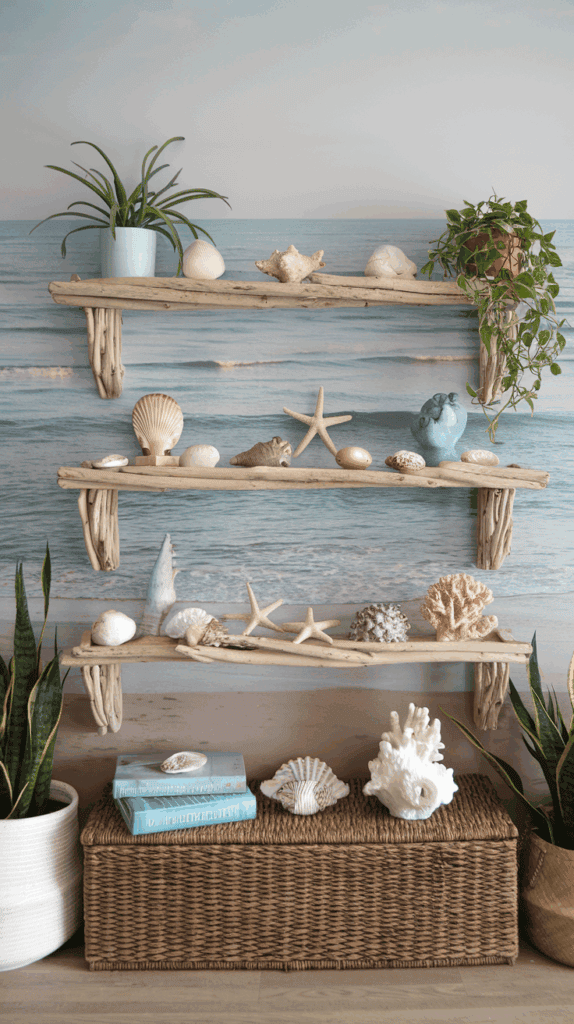
Start with a restrained palette that evokes coastlines: soft aquas, muted seafoam or sky blues blended with warm neutrals such as sandy beige and creamy off-white. Use cooler tones on larger surfaces to open spaces and layer warmer neutrals in upholstery and rugs to keep rooms inviting. Reserve brighter hues—coral, sun-washed terracotta or nautical red—for accents like cushions, lamps or framed art so color feels intentional rather than overwhelming. Sample paint on multiple walls and observe how tones shift at different times of day; natural light, window orientation and nearby foliage all influence how a color reads. For cohesion, repeat two to three colors throughout the home and vary textures to add depth without clutter.
2. Select Resilient, Easy-Care Furnishings
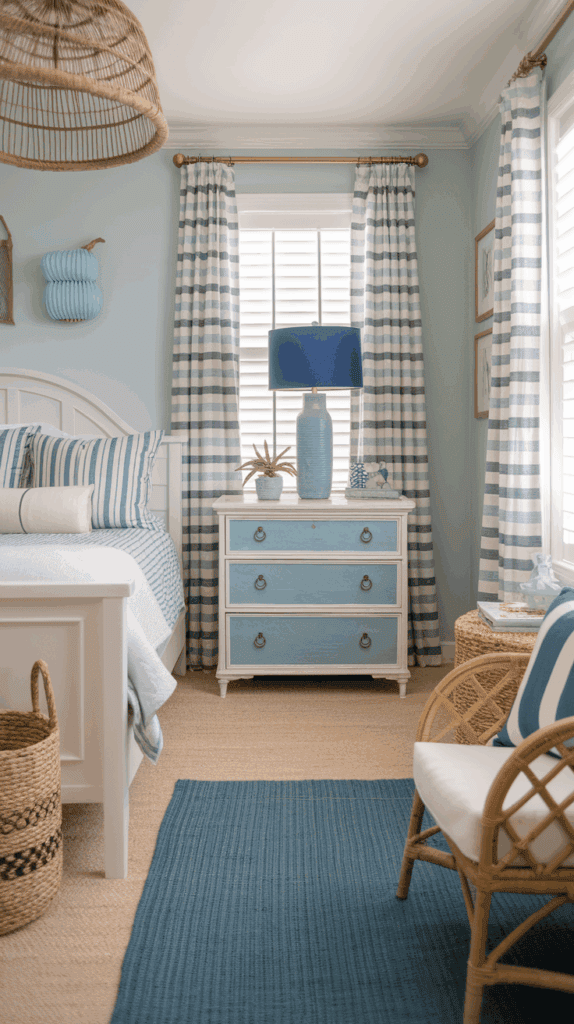
Choose pieces that can tolerate sandy feet, spills and frequent use. Look for performance fabrics that resist stains and fade, or leather alternatives that wipe clean. Opt for frames in treated hardwood, powder-coated metal or weather-resistant composites that hold up to humidity and salty air. Removable cushion covers make laundering straightforward; slipcovers are a practical choice when laundry is near. For rugs, select indoor-outdoor or low-pile natural fiber options with protective backing. Keep upholstery light in tone but avoid pure white if maintenance is a concern—soft creams and warm neutrals hide everyday wear while keeping the room luminous.
3. Design Flexible, Family-Friendly Layouts
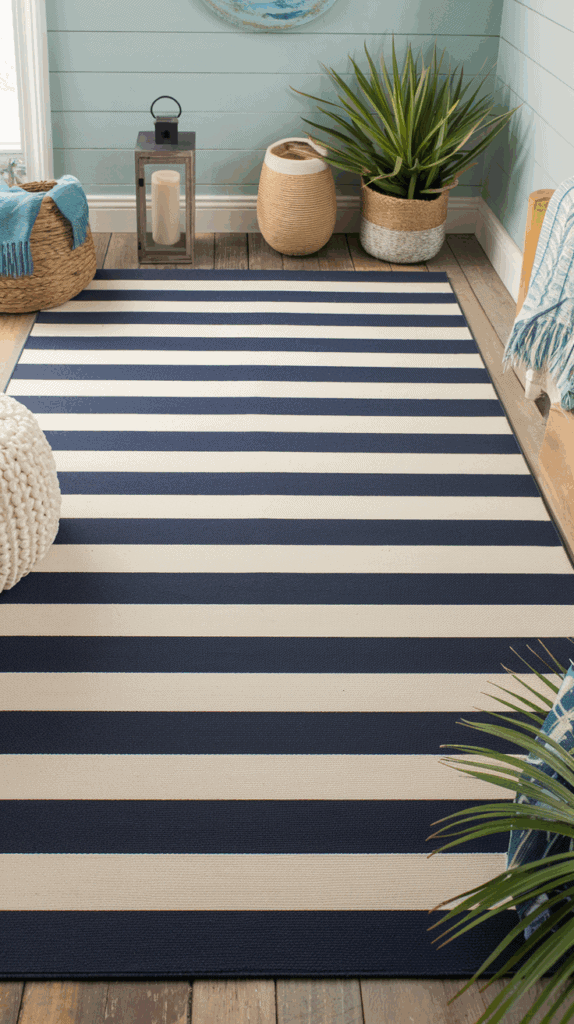
Plan furniture placement for movement and multipurpose use. Anchor seating around a focal point—view, fireplace or media—while leaving clear paths for busy household traffic. Invest in benches, ottomans or storage sofas to conceal beach towels, games and toys. Modular seating, fold-away tables and nesting stools allow the space to scale up for guests or contract for quiet evenings. Create small nooks—a window seat with washable cushions or a corner with oversized floor pillows—that offer a retreat without consuming square footage. Incorporate vertical storage, hooks and labeled bins near entry points to keep gear accessible yet out of sight.
4. Layer Natural Textures and Personal, Timeless Details
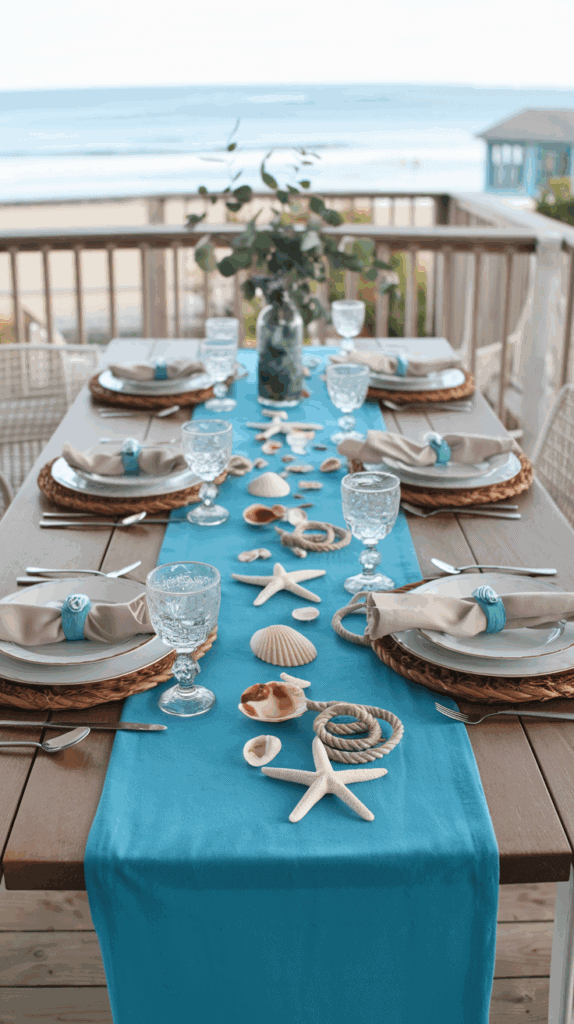
Introduce tactile materials to echo the outdoors: woven rattan or wicker, jute and sisal rugs, linen textiles and weathered wood accents. Balance rougher textures with smooth surfaces—glazed ceramics, matte metal fixtures or glass—so rooms feel curated, not rustic. Art and accessories should reflect the mood rather than mimic souvenirs: framed coastal sketches, a grouping of family photos in simple frames, or a driftwood mirror add personality without kitsch. Keep decorative items at reachable heights if children will handle them, and reserve fragile pieces for higher shelves. Use baskets in natural fibers to corral small items and maintain the relaxed aesthetic.
5. Maximize Light and Air with Thoughtful Window Treatments
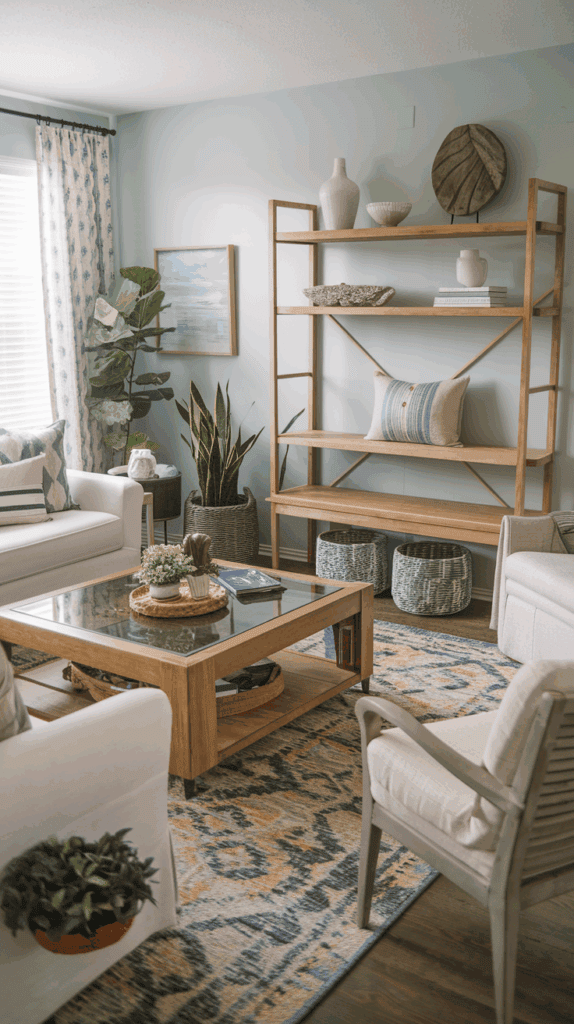
Prioritize natural light and airflow to maintain that open, seaside quality. Sheer curtains in pale hues allow daylight to diffuse softly while offering a light layer of privacy; pair them with shades or blinds that provide darkness for sleeping rooms. Floor-to-ceiling panels visually raise ceilings and create a soft frame for views. Ensure windows and doors are operable and easy to clean, and add ceiling fans for gentle circulation when evenings are still. For privacy and insulation, consider layered treatments—sheers for day, heavier roll-up shades for night—that balance brightness and function.
6. Extend Living Outdoors with Durable Dining, Lighting and Plantings
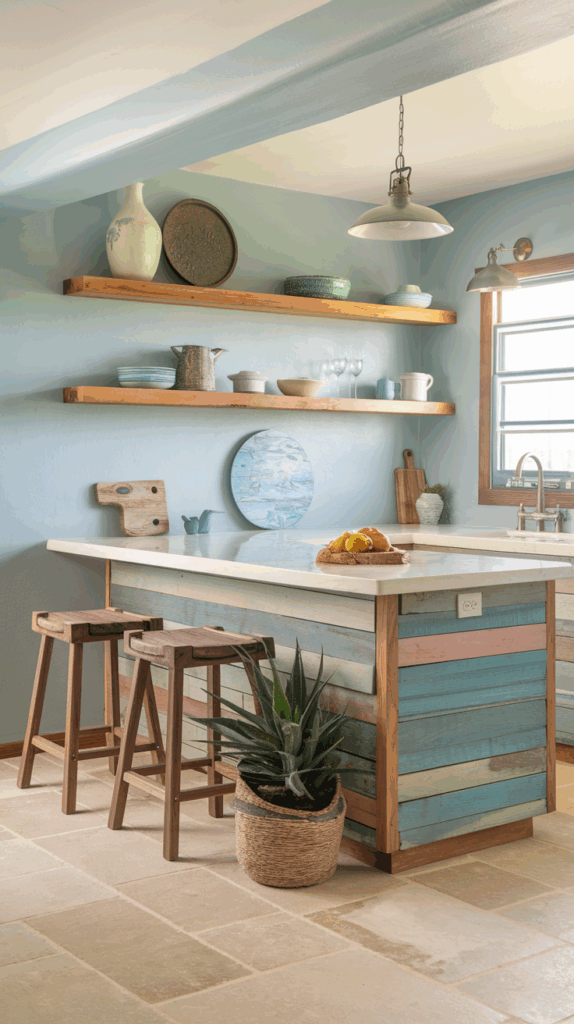
Treat porches and decks as additional rooms by choosing weather-resistant dining sets, quick-dry cushions and slip-on covers for furniture. Outdoor rugs anchored with non-slip pads define gathering areas and hide sand. Portable shade solutions—umbrellas, retractable awnings or sail shades—make daytime comfort predictable. Soft lighting, like string lights, lanterns with battery LEDs or solar path lights, creates a welcoming evening ambiance without hard wiring. Select low-maintenance, salt-tolerant plants—ornamental grasses, succulents or potted palms—to reinforce a coastal palette and minimize upkeep. Provide a tidy storage solution for beach gear to keep outdoor spaces usable and clutter-free.
Final Thoughts
A thoughtfully styled coastal home blends relaxed colors, durable finishes and adaptable furniture so everyday living stays comfortable and carefree. Small decisions—performance fabrics, layered textures, smart storage and breezy window treatments—add up to a retreat that stands up to family life while feeling serene. With a few practical updates and consistent choices, any residence near the shore can feel like a calming getaway.
