Calm Coastal Kitchen: Practical Ideas for a Bright, Family-Friendly Space

A kitchen with a coastal mood can feel both serene and lived-in when design choices prioritize durability and daily use. With a palette inspired by shorelines and a focus on surfaces and layouts that withstand family routines, it’s possible to create a space that looks relaxed without requiring constant upkeep.
This guide outlines approachable design moves—from color choices and finishes to kid-friendly zones and long-lasting materials—that help a kitchen feel like an inviting hub rather than a showroom. Each suggestion aims to balance style with sensible solutions for a busy household.
1. Crafting a Soothing Coastal Palette That Ages Well
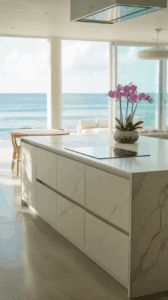
Begin with a restrained color story that evokes the shore without dominating the room. Soft blues, muted aquas, and warm sand tones form a versatile base; pair them with warm whites or off-whites to keep the space bright while hiding daily wear. Aim for undertones that complement one another—cool blues balanced by warm neutrals—so finishes and textiles feel cohesive. Use color strategically: reserve stronger hues for removable items like towels and cushions, while committing neutrals to permanent elements such as cabinets and walls. This approach keeps the kitchen feeling fresh longer and makes seasonal or stylistic updates easier and less costly.
2. Choose Washable, Moisture-Resistant Finishes for Longevity
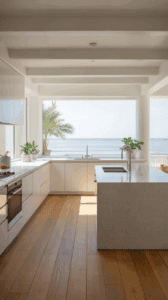
Select paints and finishes that tolerate scrubbing and damp conditions without sacrificing a soft, beachy look. Satin or semi-gloss paints on trim and cabinets offer a balance: they resist stains and can be wiped clean but do not read as overly shiny. Near sinks and food prep areas, favor materials and sealants labeled for moisture resistance to prevent peeling or mildew. For easy maintenance, avoid overly textured wall treatments in high-traffic zones; smooth, durable surfaces simplify routine cleaning and keep the kitchen looking cared-for with minimal effort.
3. Plan an Open, Connected Layout That Supports Supervision
An open layout helps keep household activity visible and encourages interaction while cooking. Position work islands and prep stations so sightlines stretch into living or dining areas; this allows supervising caregivers to stay engaged with children’s homework or play without interrupting meal prep. Include clear circulation paths to reduce bottlenecks during busy times and place the most-used zones—the sink, stove, and refrigerator—within an efficient work triangle or linear flow. Thoughtful zoning makes the kitchen both sociable and functional, accommodating simultaneous tasks without crowding.
4. Design Kid-Friendly Zones That Encourage Independence
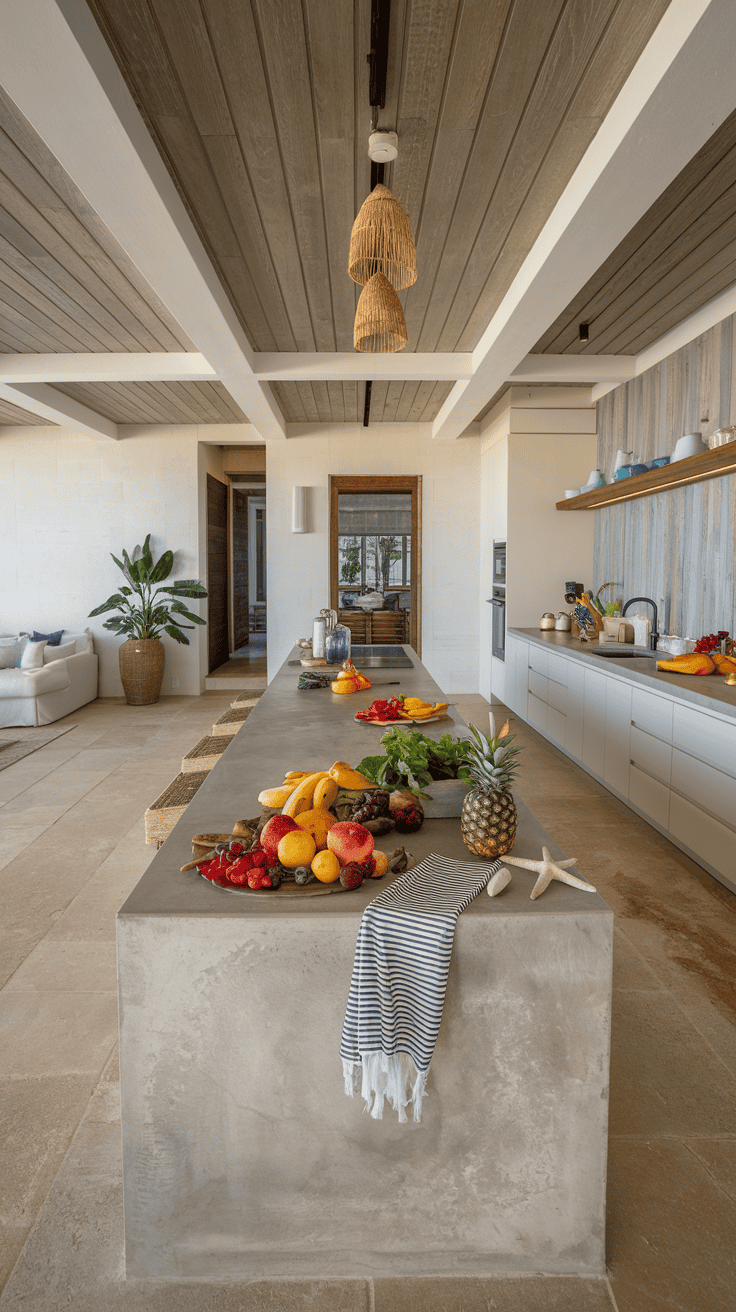
Create designated areas at lower heights where children can safely access snacks, cups, and simple tools. A shallow drawer or a low shelf stocked with spill-proof containers allows kids to help themselves and builds independence. Reserve a portion of the island or a corner counter for small, supervised food prep with kid-safe utensils to make cooking a shared activity. Place these zones away from active cooking surfaces and hot appliances, and keep cleaning supplies and sharp objects locked or out of reach. Clear labeling and consistent placement reduce confusion and maintain order.
5. Select Resilient Surfaces: Countertops, Cabinets and Flooring
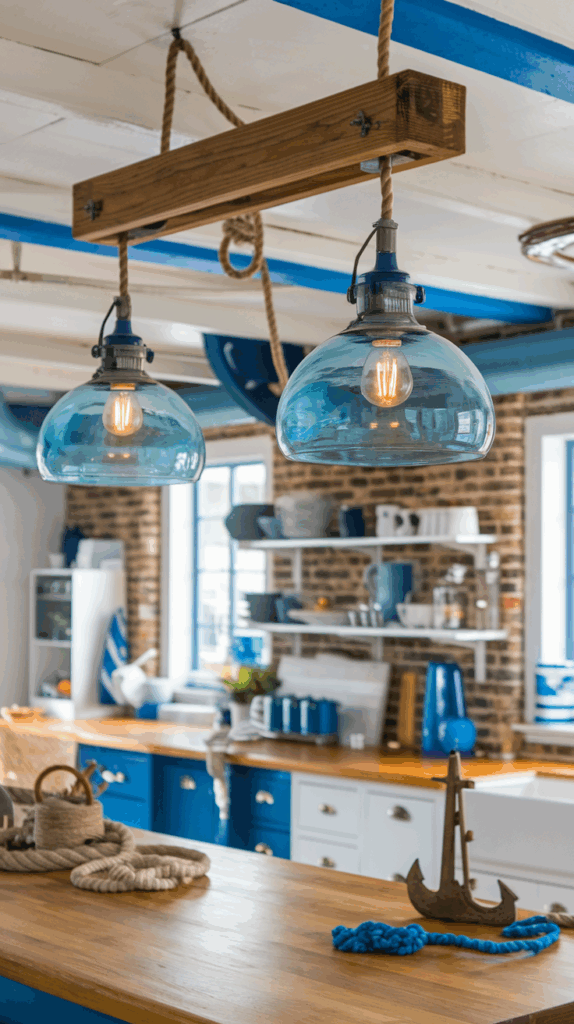
Prioritize materials that stand up to spills, scuffs, and frequent cleaning without demanding excessive upkeep. For countertops, engineered stone options offer stain resistance and low maintenance, while still providing a variety of colors and subtle patterns that mimic natural stone. Cabinets finished with a water-resistant lacquer or semi-gloss paint wipe clean easier than raw wood. For flooring, waterproof plank options mimic natural wood grain and disguise footprints and sand better than pale tile; they also tend to be warmer underfoot and gentler during long stints at the sink. Balance appearance with practical performance when choosing each surface.
6. Layer Texture and Natural Accents for Warmth
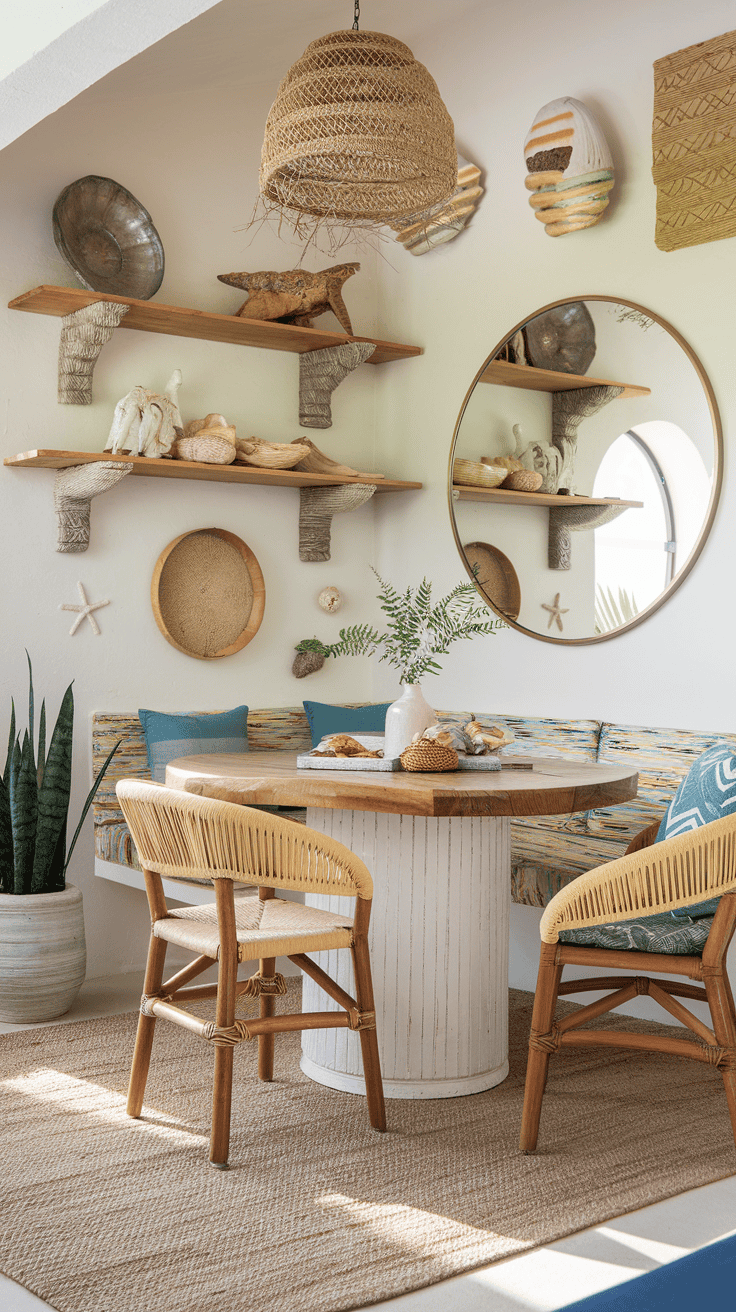
Introduce tactile elements—rattan baskets, driftwood-inspired shelves, linen textiles—to soften modern lines and add a lived-in charm. Woven storage solutions offer both function and visual warmth, masking clutter while contributing to the coastal feel. Use glass jars to display collected shells or small keepsakes, and rotate soft textiles seasonally to refresh the look without major investment. Lighting fixtures in warm finishes or with fabric shades create a welcoming glow in the evenings; together these layers prevent the kitchen from feeling sterile and invite people to linger.
7. Keep Counters Clear and Styling Practical
Aim for a curated but useful countertop arrangement: reserve space for daily essentials while limiting items that attract dust and spills. Store lesser-used appliances in cabinets or deep drawers; keep a few meaningful or frequently used objects—such as a fruit bowl or a small herb planter—on display to add personality. Use trays to group frequently handled items for quick wipes, and choose decorative containers that double as practical storage. These small habits reduce visual clutter, speed cleaning, and maintain the room’s relaxed coastal aesthetic without compromising convenience.
8. Plan for Change: Flexible Storage and Future-Proof Design
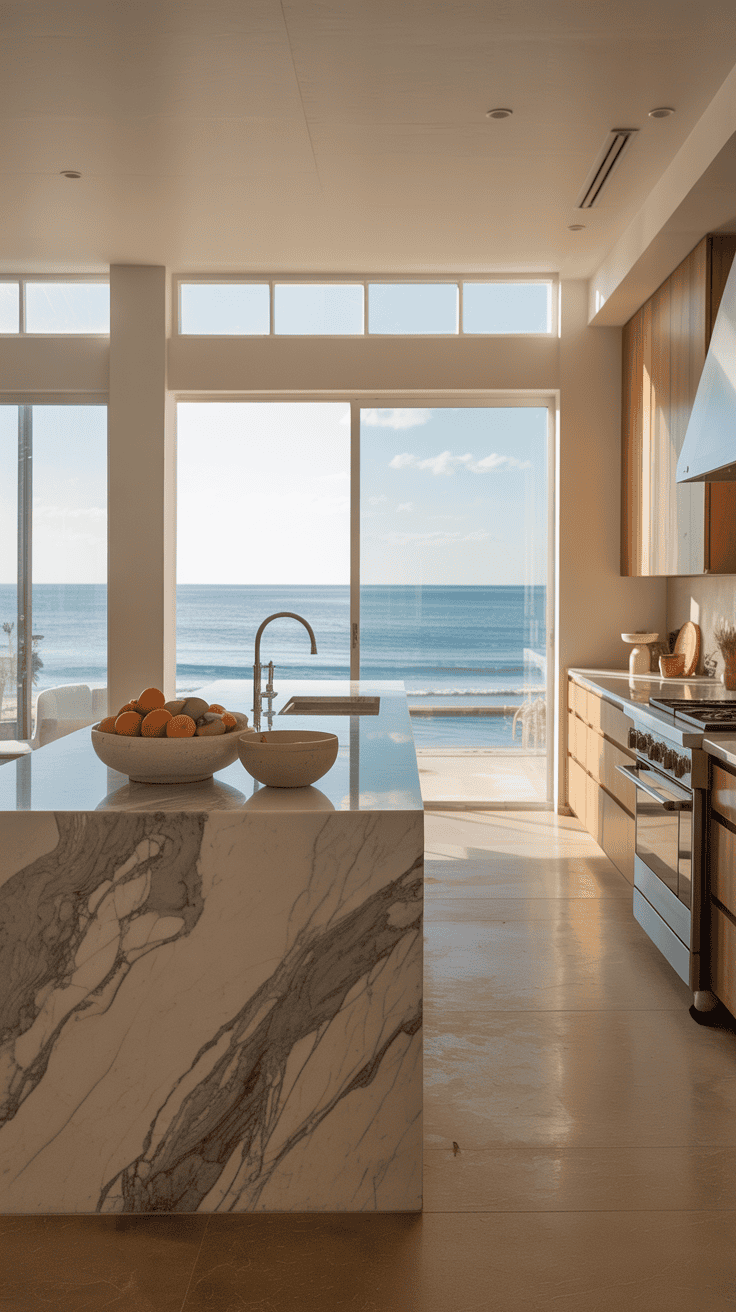
Anticipate shifting needs by including adaptable storage solutions and neutral finishes that can transition with family life. Install adjustable shelving and deep drawers that accept a variety of containers, and incorporate versatile islands or carts that can be repurposed as homework stations, buffet service, or additional prep space. Choose timeless materials and avoid overly trend-driven patterns for major elements so the room remains appealing over the years. Designing with flexibility in mind reduces the need for frequent renovations and allows the kitchen to evolve alongside changing routines.
Final Thoughts
A coastal-inspired kitchen that functions for family life is attainable by combining calm colors, durable finishes, and thoughtfully arranged zones. Prioritizing easy-to-clean surfaces, flexible storage, and warm textures keeps the space welcoming and practical for years. Small, intentional choices make a relaxed, lived-in kitchen where daily life can unfold with less stress and more style.