Can You Really Earn on Testerup? A Practical, No-Nonsense Guide

If you’re exploring apps that promise cash for trying games, websites or products, it pays to look beyond the marketing. This guide walks through what Testerup is, how it operates, what users say, and sensible alternatives — with concrete examples so you can decide whether to spend your time on it or move on.
1. What Testerup Is and Who It Targets
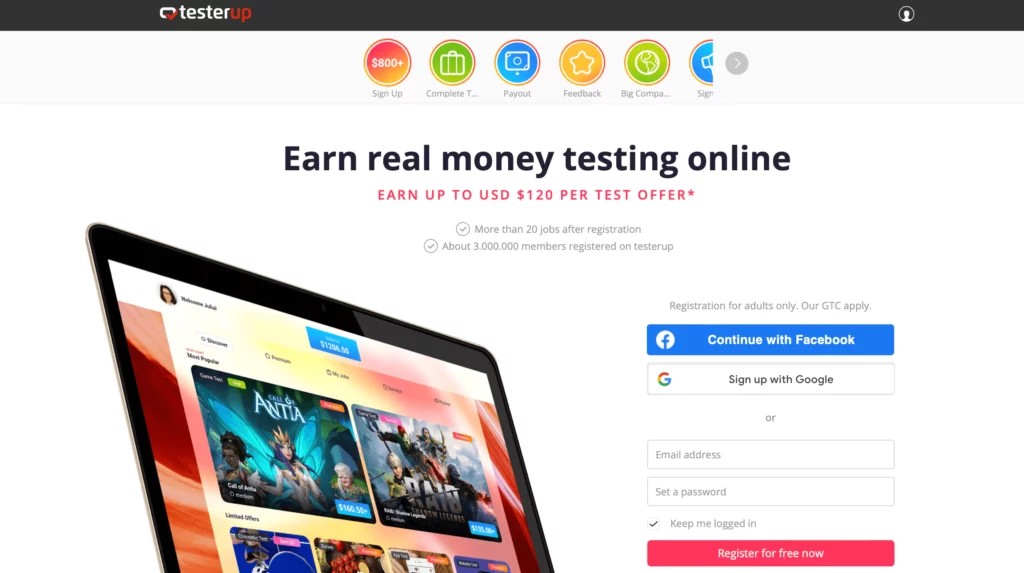
Testerup positions itself as a rewards platform where people can test digital products — apps, games, websites — and earn money for completing assignments. It’s aimed at casual users who already spend time on mobile apps and at people hunting small side income from home. For example, a casual gamer might be asked to install a new game and reach a milestone, or someone who browses new shopping sites might be asked to report usability issues. Think of it as a marketplace connecting product teams with everyday testers. That means your experience will depend on which offers you qualify for and the kinds of tasks available in your region.
2. Signing Up and How Tasks Flow

Getting started typically involves creating an account, confirming your email, and sharing basic profile details like language and device type — so platforms can match you with relevant gigs. Once logged in, you’ll see a list of available tasks with short instructions: install an app, hit certain in-app milestones, explore a website and describe friction points, or complete a survey. Start a task by following the link provided, complete the specified steps, and submit proof or answers. A practical tip: take screenshots and keep timestamps when doing milestone tasks; that evidence often helps if tracking problems arise with an offer.
3. What to Expect from Payouts and Rewards
Reward offers range from tiny compensation for short feedback forms to higher payouts for lengthy tasks that require intense effort or purchases. Beware that some attractive, high-dollar listings often include hidden requirements — for instance, reaching advanced levels in a game or making in-app purchases first. In practice, many users report that routine tasks pay modestly and that the platform’s cash-out rules can make redeeming earnings slow or difficult. Practical approach: treat earnings as occasional pocket money, not steady income; if a task requires you to spend money to earn, do the math up front and consider skipping it.
4. Benefits and Practical Trade-Offs
Platforms like this can be enjoyable and low-friction: sign-up is free, there’s variety, and tasks can feel like normal app use. They’re a convenient way to monetize spare minutes. On the flip side, offers may be region-limited, tracking of progress can be inconsistent, and some tasks demand long hours or purchases to qualify. For example, a testing task might require sustained gameplay that’s boring unless you genuinely enjoy it, or a tracking glitch may mean an otherwise completed milestone isn’t credited. Balance the convenience against the grind: pick tasks that match your routine and skip anything that requires large upfront expense.
5. What Users Report — Patterns in Feedback
User reviews tend to split: some testers say they successfully cashed out after careful work, while others describe tracking problems and unhelpful support. Common threads include offers disappearing after initial engagement, milestones not registering, and slower-than-expected responses from customer service. A practical takeaway: when you try an offer, document every step — record installs, keep receipts for in-app purchases, and save screenshots — so you have evidence if crediting fails. Also, watch for review incentives: platforms sometimes offer tasks that ask users to leave positive feedback, which can inflate ratings compared with the deeper, critical reviews.
6. Is Testerup Trustworthy Enough for Your Time?
Legitimacy has two layers: a company can be real but still offer a poor value exchange for users. Testerup is reported to be an operational service by many users, yet recurring complaints about tracking, payout hurdles, and customer service suggest it may not be a reliable income source. If you try it, treat the platform like a hobbyist opportunity rather than a dependable side hustle. Practical guidance: set a strict limit for time or money you’ll invest — for instance, don’t spend more than an hour a week or any out-of-pocket cash unless you can clearly see the return.
7. Safer Alternatives and When to Use Them

If you want testing or micro-earnings with clearer payout practices, consider established options that focus on usability tests, reward surveys, or game-play platforms with transparent terms. For example, usability testing platforms often pay per session and have clear qualification steps, while survey sites offer straightforward short tasks for small rewards. Gaming reward apps that credit playtime — rather than milestone purchases — can be better if you just want to monetize time spent playing. A practical strategy is to diversify: try one site for usability tests, one for surveys, and one for game rewards to compare earnings without betting everything on a single platform.
8. Should You Try Testerup — A Practical Checklist
If you’re curious but cautious, use a checklist before committing: confirm that a task won’t force you to pay upfront, make a habit of saving screenshots and receipts, set a small time budget, and avoid relying on the platform for steady income. For instance, test one or two short offers and try to cash out a small earned amount (if available) before investing further time. If tracking errors or poor support appear, consider stopping and switching to other options. This staged approach helps you learn whether the platform actually credits your efforts without risking large amounts of time or money.
9. Common Questions Answered in Plain Terms
People often ask whether the app is real, whether payments happen, and how quickly earnings can be withdrawn. Short answers: the service operates and users do get paid sometimes, but experiences vary widely and the process can be clunky. Practical examples: expect modest rewards for quick feedback forms, be prepared to wait or provide extra proof for reward disputes, and don’t rely on any single platform for meaningful earnings. If you need reliable supplemental income, look instead to well-documented gig work or diversified online options with transparent payment histories.
Testerup can be an occasional way to squeeze value out of time you already spend on apps, but it’s not a substitute for dependable side income. If you try it, document everything, set clear limits, and keep alternatives in rotation so your effort actually pays off.