Shein $750 Gift Card Offers: How to Tell What’s Real, What’s Risky, and Safer Ways to Save
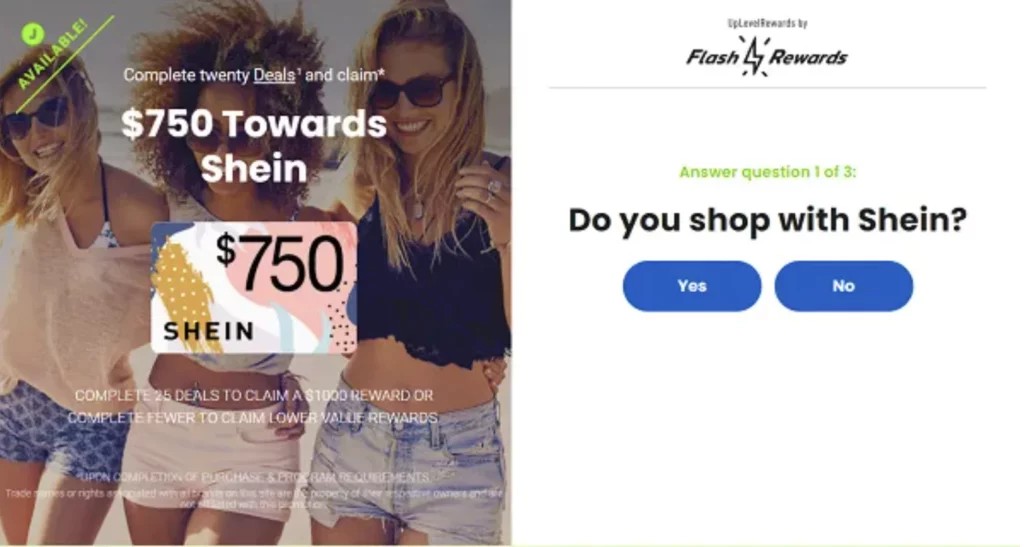
A tempting headline promising a big Shein gift card can be hard to ignore. Before you dive in, this guide walks you through how those offers work, what people actually experience, and low‑risk options to earn gift cards or cash instead.
1. What those big Shein gift card claims really are
Many headline offers for large Shein gift cards are not published by Shein itself but by third‑party reward platforms. These sites aggregate paid promotions from advertisers and promise branded gift cards in exchange for completing tasks. A typical pitch highlights a high reward to entice clicks, then directs you to a program where you earn points by finishing sponsored actions. Practical step: when an offer mentions a popular retailer, check whether the brand name appears on the retailer’s official site and read the reward platform’s own terms. Use a secondary email and never provide a Social Security number unless a well‑known company explicitly requires and explains why.
2. How these reward programs ask you to earn the prize

Reward platforms generally follow the same pattern: create an account, browse available sponsored tasks, complete actions, and wait for points to post so you can claim a reward. Tasks might include installing apps, starting free trials, taking surveys, or making qualifying purchases. Often the offers are arranged in tiers, so you must finish a set of items across different difficulty levels to unlock large rewards. Practical tips: carefully follow each offer’s instructions, keep screenshots or confirmation emails, and monitor the platform’s tracking dashboard. If an offer asks for payment details for a so‑called ‘‘free’’ task, consider skipping it or use a prepaid card you can cancel quickly.
3. What real users report: wins, headaches and tracking errors
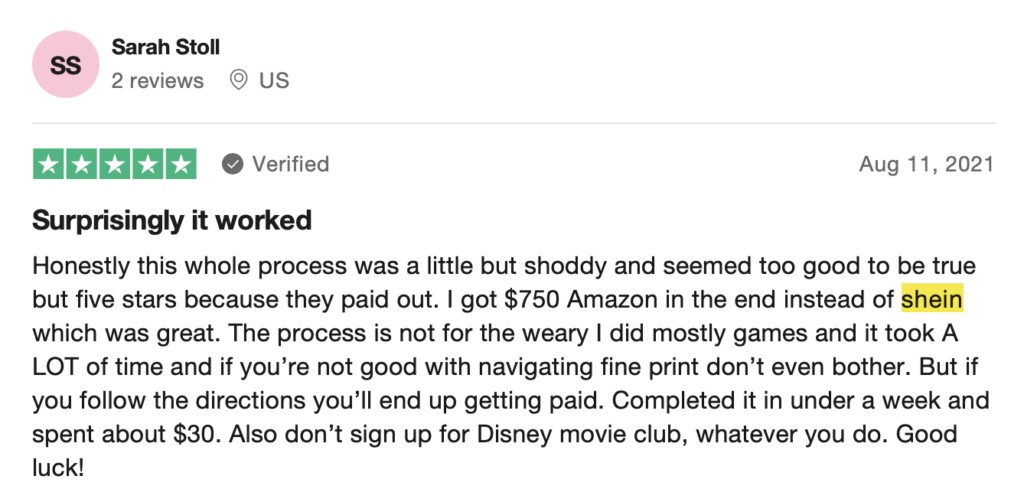
User feedback on reward platforms is mixed: some people report redeeming modest rewards after persistent effort, while others experience offers that don’t register or payouts that stall. Common issues include offers failing to track, discrepancies between what the advertiser awards and what the platform credits, and long support wait times. Practical examples: a user who installs an app should verify the app’s requirements (create an account, reach a certain level) and save the confirmation page; another who signs up for a trial should take a screenshot of trial start and cancellation pages in case credit is disputed. Expect that persistence and meticulous documentation improve the chance of getting credited.
4. Where the risks live: privacy, time, and hidden costs
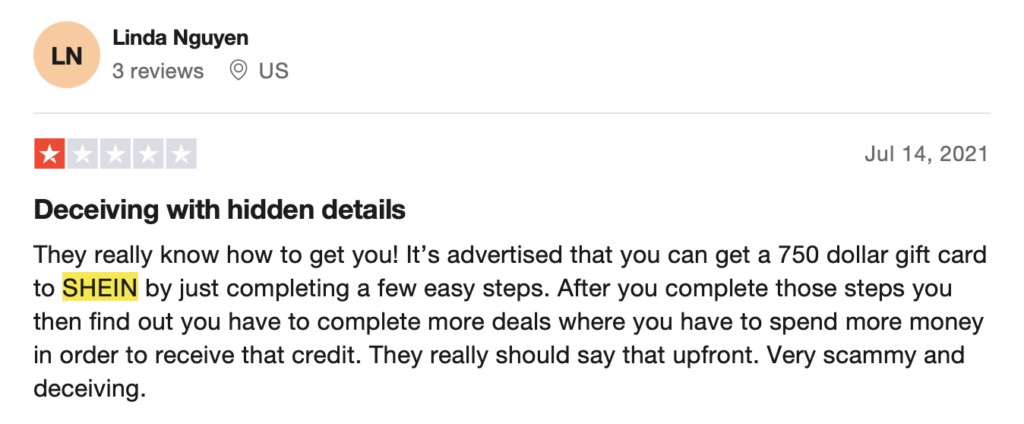
Behind flashy offers are several potential downsides: you may spend far more time than anticipated, be nudged into paid subscriptions, or expose personal data to third parties. Identity verification processes on some platforms can ask for a photo ID or selfie; weigh that requirement against how much you’ll realistically gain. Practical safeguards include reading privacy policies before uploading sensitive documents, using a separate email address for promotions, setting calendar reminders to cancel trials before charges hit, and avoiding offers that request unnecessary financial or identity details up front.
5. Safer, more straightforward ways to earn gift cards or stretch your budget
If you’d rather avoid the time sink and uncertainty of large‑prize sweepstakes, there are dependable alternatives to build a small, steady stream of rewards. Established survey and rewards sites, reputable cashback portals, and gig apps can all add up without the uncertainty of tiered prize paths. Practical examples: use a cashback portal when you already plan to shop online, try a long‑standing survey site that pays for short questionnaires, or pick up a few local gigs through trusted marketplaces to convert time directly into cash you can use for shopping.
6. Common questions answered so you can decide wisely
People ask whether these offers are outright scams, whether generator apps work, and whether it’s worth joining a particular reward site. The most useful way to evaluate is to check: does the retailer endorse the offer; are rewards documented by multiple credible users; and does the site ask for unnecessary personal data? Gift‑card generator tools are almost always fake and should be avoided. If you try a rewards platform, start small, protect your identity with a secondary email or prepaid payment method, and be ready to walk away if tracking errors or unexpected charges appear.
Big gift‑card promises can be tempting, but they often demand more time, personal data, or money than advertised. If you pursue rewards, document every step, protect your information, and weigh reliable alternatives that pay out more consistently.