Side Hustle or Time Sink? A Practical Guide to Flash Rewards and Whether It’s Right for You

If you’re curious about earning gift cards or small cash rewards by trying apps and services, platforms like Flash Rewards can look appealing. This guide walks through what the site does, how it operates, what users typically encounter, and practical ways to decide whether to invest your time. Read on for clear, experience-based explanations and example strategies so you can weigh the upside and the trade-offs before you sign up.
1. What Flash Rewards Is — and who it targets
Flash Rewards is a “get-paid-to” style platform that connects members with sponsored offers from advertisers. In practice, it invites people to try apps, sign up for trials, answer surveys, or make purchases in return for reward credits they can redeem later. It’s geared toward people who don’t mind experimenting with new services and who can manage short-term subscriptions or one-off purchases without disrupting their budget. Example: if you enjoy testing mobile games or trialing streaming services, you might use this type of platform to offset the cost of a trial by collecting a small gift card after meeting the offer conditions.
2. A step-by-step look at how the platform operates

The typical flow is straightforward: register with an email and basic profile, browse available offers, complete specified tasks, and submit proof to claim a reward. Tasks can range from installing and reaching a level in a game to inputting an order confirmation or attaching a receipt. Progress usually shows on a dashboard, and you must follow the offer’s rules exactly — for instance, using the same contact details and not repeating the same deal. Practical tip: keep screenshots, confirmation emails, and receipts organized in a folder as you go so verification is faster when you submit a claim.
3. Rewards and redemptions: what to expect

Rewards typically come in the form of retailer gift cards or a cash payout option. Each offer lists a required set of actions and the reward tier you can reach after completing them. When you’re ready to claim, you may be asked for identity verification and documentation proving you completed offers. Example: after finishing a set of offers you might be prompted to upload a receipt or take a screenshot of an app’s achievement screen; once verified, the platform processes the redemption and issues the reward through the chosen channel.
4. Practical upsides and common downsides
This model has clear benefits: a low barrier to entry, the chance to discover new apps or services for little or no net cost, and a variety of reward options. But there are trade-offs. Many offers require upfront billing or trial sign-ups you must remember to cancel, verification steps that can be fiddly, and a requirement to complete multiple tasks to reach higher reward tiers. Example: you might enjoy trying a new app and earn a voucher, but if several deals require paid trials you weren’t planning to keep, your out-of-pocket costs could erase the gains.
5. What users report — patterns from real experiences
User feedback tends to cluster around two themes: success stories where people received rewards after following verification steps, and frustrations where offers didn’t credit or ID checks failed. Positive reports often highlight prompt customer support and smooth redemptions when users followed instructions closely. Negative reports commonly mention missing credits, confusing tier requirements, or unexpected charges from third-party partners. Practical approach: read recent reviews for specific offers, and when trying a new deal, track every step with screenshots and confirmation emails so you have evidence if you need customer support.
6. Legitimacy check: is the company real and paying?
Evidence from multiple user reports shows the platform does pay rewards to many members, and it operates like other sponsored-offer services. That said, legitimacy doesn’t mean it’s always easy to earn — the mechanics are intentionally structured so that larger rewards require more activity and stricter verification. Example: a member can receive a small gift card after a few offers, while larger redemptions generally need several verified completions. Verify legitimacy for yourself by starting small: complete a low-risk offer and test the verification and payout process before committing time or money.
7. Where red flags appear — and how to protect yourself
Concerns people raise include offers that require credit card details, the risk of forgetting to cancel trials, and complications during ID verification. These aren’t automatic proof of fraud, but they do call for caution. Protect yourself by using a secondary payment method for trials, setting calendar reminders to cancel, and avoiding deals that ask for unnecessary personal information. Example: use a virtual card or a low-limit card when signing up for trial subscriptions, and crop or redact sensitive account numbers before sending screenshots to support teams.
8. Is it worth your minutes and dollars?
Whether the platform is a good use of time depends on your goals. If you enjoy short tasks, testing apps, and can reliably manage trial cancellations, it can produce occasional gift cards or offsets to purchases. If you need predictable side income, the effort-to-reward ratio may be disappointing. Example: if you only have evenings free and want steady earnings, a survey-focused site with simpler payouts might fit better; but if you like experimenting and learning about new services, using the platform selectively could be rewarding.
9. If this isn’t your fit: comparable alternatives
There are many platforms that offer similar low-effort ways to earn rewards: survey sites, cash-back services, and game-reward apps each have different trade-offs in time, privacy, and payout speed. For example, survey platforms often pay for opinion work without subscription trials, while cash-back portals reward shopping you would already do. Practical tip: match the platform to your habits — pick a cash-back site if you shop frequently, a survey site for opinion-based tasks, or a game rewards app if you enjoy mobile play and shorter sessions.
10. Short answers to the most common questions
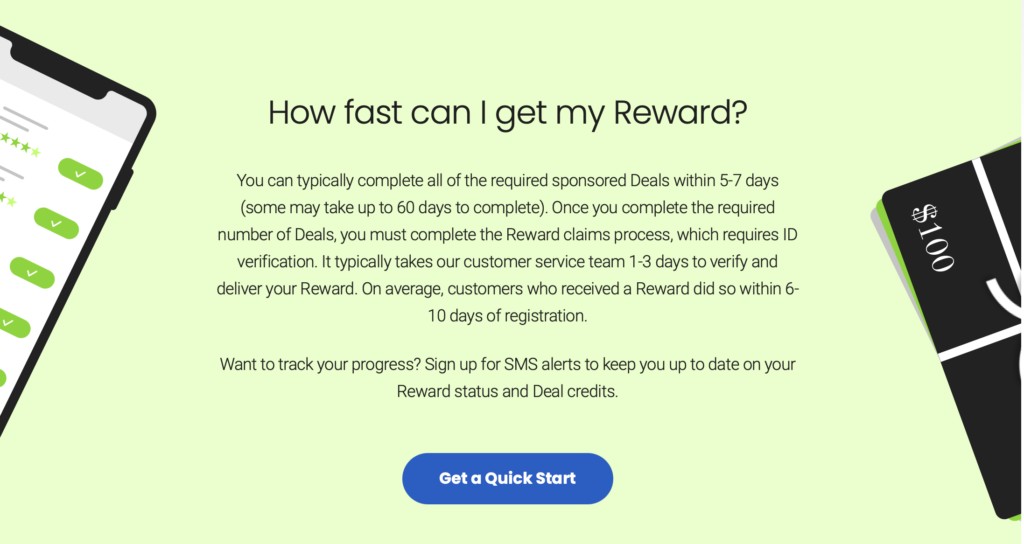
Common questions center on payouts, safety, and timeline expectations. Short guidance: expect variable processing times and to follow identity procedures for larger redemptions; treat offers that require payments cautiously and track confirmations for every step; and don’t assume large or quick payouts are typical. Example answers: try a low-risk offer first to test processing times; use dedicated contact details and document every confirmation; and pick only offers you would otherwise try to avoid unnecessary spending or privacy exposure.
Flash Rewards and similar offer-based platforms can deliver occasional freebies or small gift cards if you carefully pick offers and manage the verification steps. They’re best suited to people who enjoy experimenting, can track receipts and trial cancellations, and treat the rewards as incidental extras rather than steady income. If you decide to try it, start with low-risk offers, document everything, and compare other earning options so your time and money are used where they pay off best.