Apex Focus Group: What to Expect, How It Works, and Smarter Options for Earning From Research
Interested in getting paid for your opinions but unsure where to start? This practical guide walks through what Apex Focus Group offers, how the platform operates, common concerns people raise, and sensible alternatives. Read on for straightforward steps and examples so you can decide whether to try it.
1. What Apex Focus Group Connects You With
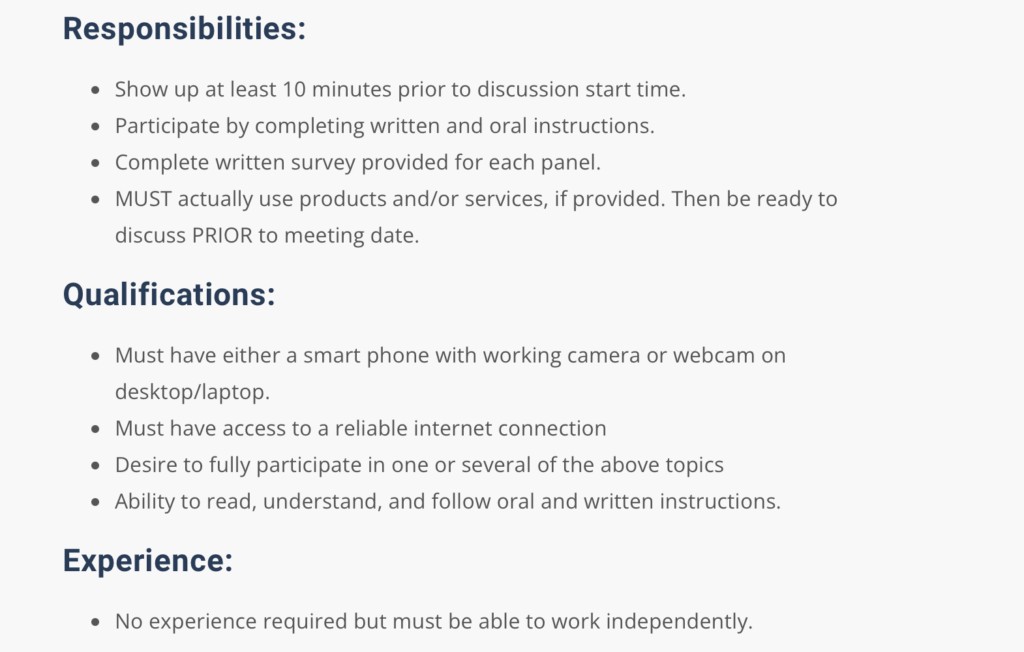
Apex Focus Group positions itself as a connector between people and market research opportunities. That includes moderated focus groups, online discussion sessions, and listings for paid clinical research and survey panels. In practice you’ll see invitations for product-feedback sessions, user-experience tests, and sponsored studies on lifestyle topics. For example, a typical listing might call for people who use a certain brand of headphones to join an online group to discuss sound and comfort. Think of the site as a marketplace of study leads rather than a single employer: it curates and forwards chances to participate, with varying formats and moderation styles.
2. Signing Up and Finding Projects: A Step‑by‑Step View
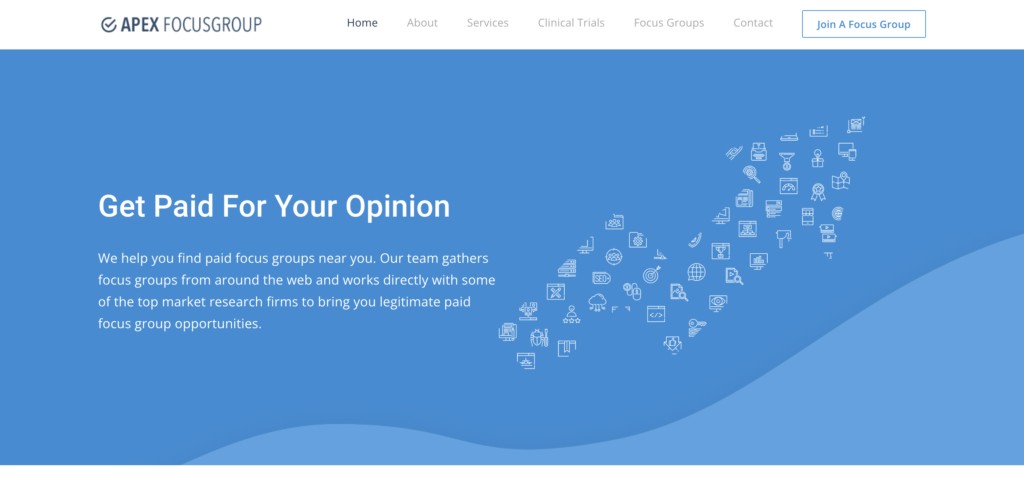
The enrollment process is generally straightforward: create an account, complete a profile with basic demographics and interests, then watch for invitations or browse listings. You’ll typically answer short screening questionnaires for each opportunity—those determine whether your background matches the study’s needs. In practical terms, fill out your profile thoroughly (devices you use, household composition, work background) so you match more offers. Set up a separate email folder or filter so invites don’t get lost. When you apply, respond promptly and honestly—some sessions fill quickly, and accurate answers at screening can improve your chances of being selected.
3. How Compensation Typically Works
Payment arrangements vary because Apex acts as a referral hub: the actual compensation comes from the research firm running the study. Expect a wide range depending on session length, format, and the niche audience required. Common payment routes include electronic transfers, mailed checks, or gift cards. For example, remote moderated discussions often use instant digital payouts, while in-person studies may offer mailed checks or vouchers after attendance. Keep in mind that multi‑session projects and specialized panels tend to offer higher pay, but also require greater time commitment and stricter screening. Always check the payout method and timeline before committing to a study.
4. Advantages and Practical Drawbacks to Consider
There are clear upsides to tapping into curated study lists: joining is usually fast, opportunities cover a wide range of topics, and formats include both remote and in-person options that can fit busy schedules. On the flip side, availability is inconsistent—some weeks have several invites, others have none. You may also encounter listings that are vague or that don’t pan out into actual sessions. From a practical standpoint, this means treat participation as occasional extra income rather than steady work: sign up, keep your profile current, and apply selectively to promising listings rather than relying on the platform as a primary income source.
5. Red Flags and Common Complaints People Report
Users sometimes raise concerns about excessive outreach from partner companies, unclear study descriptions, and frequent disqualification at screener stages. Some also point to inconsistent site details across similar domains and the occasional use of generic photos or testimonials. These issues mostly affect the user experience—extra emails, wasted time on screeners, or frustration when a promising study never materializes. To minimize exposure, use a dedicated email account, read each study’s fine print, and watch for requests that seem unrelated to the study’s stated purpose. If something feels off—conflicting contact information or unusual payment requests—step back and verify before sharing more data.
6. Is It Legitimate? A Balanced Perspective
Taking everything into account, Apex Focus Group functions as a legitimate aggregator of market research opportunities rather than a direct employer. Experiences vary: some people find worthwhile studies and reliable payment from partnering firms, while others encounter many disqualifications or unwanted marketing contacts. The practical takeaway is to view it as a potential source of occasional paid research, not a guaranteed income stream. Protect yourself by reading privacy policies, understanding how your contact information will be used, and verifying any study details with the listed research firm. Use realistic expectations—this is supplemental income territory, not steady freelance work.
7. Alternatives That Fill Different Needs

If Apex’s model feels hit‑or‑miss, there are other platforms that take different approaches. Some services focus on high‑pay, professionally managed research with rigorous screening, while others offer steady low‑barrier surveys that add up over time. For example, some sites specialize in usability testing with clear scheduling and immediate payouts; others maintain large survey panels with predictable, smaller rewards. Choose based on priorities: if you want higher per‑session pay and specialized topics, look for professional research marketplaces; if you prefer many small, quick tasks, survey panels are a better fit. Try one or two alternatives alongside Apex to compare personal fit.
8. Smart Habits Before You Apply
Before signing up, take a few practical steps that make participation smoother. Create a separate email for research invites, fill your profile completely, and be honest on screeners to avoid getting removed later. Save copies of consent forms and payout confirmations, and check the listed payment method and timing before committing. If a study asks for sensitive information you’re uncomfortable sharing, verify why it’s needed and whether it’s handled securely. Finally, set a realistic plan—decide how much time you’ll invest each month, and track which studies reliably pay and match your schedule so you can focus on the best opportunities.
Apex Focus Group can be a useful channel for occasional paid research, but experiences differ. Approach it with clear expectations, protect your personal information, and try alternatives in parallel to find the mix that fits your time and earning goals.