How to Turn Dog Walking into a Reliable Side Hustle: Apps, Safety, and Smart Growth

If you love dogs and want a flexible way to earn, app-based dog walking can fit into busy schedules. This guide walks through the role, the tech, how to choose platforms, and practical steps to grow a trustworthy, well-protected dog-walking service.
1. What a Professional Dog Walker Actually Does
Walking dogs professionally is more than taking a leash and strolling. Your job is to keep pets safe, provide appropriate exercise, manage behavior, and return them calm and cared for. A typical shift may include greeting owners, checking collars and tags, noting any health concerns, and following an agreed route or routine. Extras often asked for include short training reinforcement, administering medications, or feeding on a schedule. Practical examples: confirming a dog’s tolerance for off-leash play before a park visit, carrying spare water and a collapsible bowl for long summer outings, and recording arrival/departure times so owners can track consistency.
2. How Dog-Walking Apps Make Matches (and What to Expect)
Most platforms act as a marketplace that links pet owners with walkers nearby. You build a profile, list availability and services, and respond to booking requests or accept offers. Apps typically provide in-app chat to confirm details, a way to submit walk summaries and photos, and an integrated payment system to simplify transactions. Expect verification steps — photos, ID checks, and perhaps a short skills quiz — to be part of onboarding. Practical example: after accepting a gig, you might confirm leash preferences through the app, send a photo at the halfway point, and upload a short map or note when the walk finishes so the owner feels informed and reassured.
3. Choosing the Right Platform for Your Area and Style
Not every app suits every walker. Evaluate platform reliability, local user density, customer support, verification requirements, and whether the site offers insurance or dispute resolution. Think about practical logistics: does the app let you set your own rates, choose walk length, or accept multiple dogs per booking? Also weigh payout frequency and service fees alongside reputation among both walkers and clients. For example, a city with many active users can mean steady bookings even if fees are higher, while a niche app with lower commissions may be better for building a long-term local client list. Try one or two apps to compare real opportunity.
4. Where to Find Gigs: Popular Apps and What They Emphasize
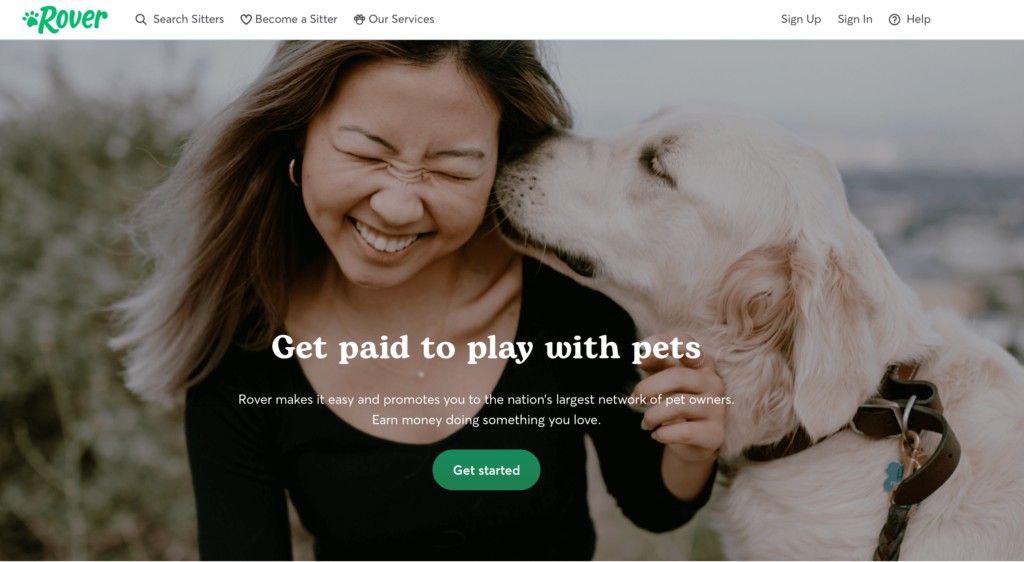
Several well-known platforms each emphasize different features: some focus on a large client base, others on transparent reporting, and a few charge membership rather than steep commissions. When evaluating, consider whether the app provides GPS walk-tracking, photo updates, in-person meet-and-greet requirements, or scheduling flexibility. Practical approach: set up concise profiles on two platforms — one broad marketplace and one local or niche option — so you can test response rates. Use client feedback to decide where to invest time; a platform that sends regular requests in your neighborhood will likely deliver more consistent work than a global site with limited local traffic.
5. Sharpen Your Profile and Service to Win Repeat Clients
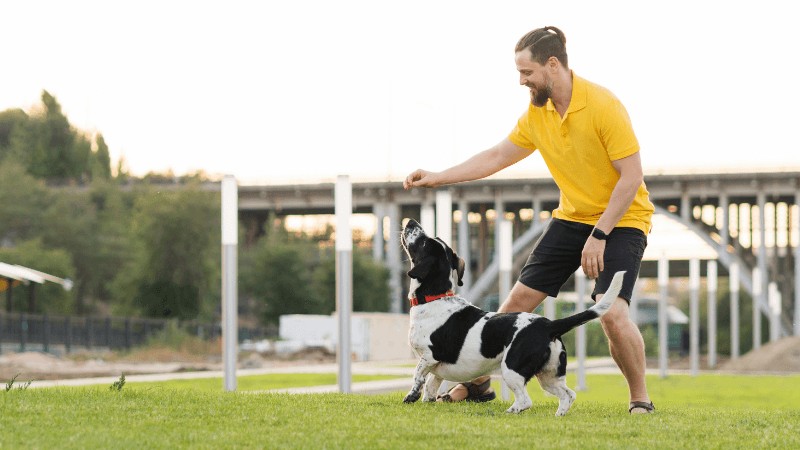
Your profile is your storefront: clear photos, a friendly bio, and specific service details build trust. Highlight experience with breeds or behavior issues, mention safety training or pet-first-aid classes, and list services like on-leash only walks, puppy socialization, or short visit check-ins. Response speed matters — reply promptly to booking requests and messages. Practical examples: upload a short video showing you handling leash tangles calmly, offer a first-time meet-and-greet free or at a discount, and follow up after initial walks with a brief note on what went well and what you’ll adjust next time. These small touches turn one-off jobs into steady clients.
6. Protecting Yourself and Pets: Insurance, Permits, and Policies

Running a dog-walking business requires thought about liability and local rules. Look into liability policies that cover accidents or property damage and ask whether a platform’s coverage is primary or supplemental. Know local leash laws, vaccination requirements, and whether a business license is needed where you live. Written agreements with clients help set expectations for cancellations, emergency care, and key handling. Practical examples: keep a signed authorization for emergency veterinary care, carry a basic first-aid kit and owner contact list on walks, and, if hiring subcontractors, confirm you have appropriate workers’ compensation or contractor agreements in place.
7. Turning Walks into Reliable Income: Pricing, Scheduling, and Payments
Earnings depend on how you package services, the local market, and how many clients you serve. Set clear, competitive rates for different walk lengths, add fees for multiple dogs or off-hour requests, and offer block-booking discounts to encourage regular clients. Use scheduling tools or calendar integrations to avoid double-booking and batch walks geographically to cut travel time. Practical tips: offer a ‘rush hour’ time slot premium for morning or evening commutes, request payment through app channels to simplify record keeping, and track mileage and expenses separately so you can evaluate profitability at month’s end.
8. Answers to Walkers’ Most Common Practical Questions
New walkers often ask about licensing, whether apps supply insurance, and how to handle local competition. Short answers: check your city’s business rules for licensing; never assume app-provided coverage matches your exact needs — read policy details; and use great service and communication to stand out rather than undercutting prices. Other frequent questions involve tipping, handling aggressive dogs, and what to do about cancellations — have a clear policy and communicate it in writing. Practical example: maintain a simple contract template you can send to each new client covering hours, cancellation fees, and emergency procedures, and keep a list of local vets handy.
Dog walking via apps can be a flexible, enjoyable way to earn, but success comes from treating it like a small business: choose platforms wisely, present a professional profile, protect yourself with the right policies, and build reliable habits that keep pets and owners happy.