How to Claim Easy Welcome Bonuses and Make Them Work for You
Welcome bonuses aren’t magic, but they are one of the simplest, low-effort ways to add a little extra to your finances. This guide breaks down what “free money” really means, where to look for legitimate sign-up credits, how to claim them responsibly, and practical ways to stack small offers into meaningful dollars without derailing your budget.
1. What ‘Free Money’ Actually Means (and Why it’s not a scam)
When people say “free money” in this space, they usually mean a one-time credit or bonus you receive for completing a simple action — no upfront purchase required beyond things you’d normally do. Think of a welcome credit after confirming an email address, or a small investment bonus after you fund an account. These offers come with rules: verification steps, minimum activity, or withdrawal thresholds. Treat them as planned, one-time boosts rather than steady income. For practical use, set up a separate spreadsheet or notes entry listing the steps and deadlines for each bonus so you avoid missed windows or accidental recurring charges.
2. Where the Biggest Welcome Offers Tend to Live

The most valuable sign-up incentives often appear at financial and shopping platforms: digital banks, micro-investing services, and cashback sites. These companies use bonuses to attract new users and may require identity verification or an initial action like linking a payroll or transferring funds. A cautious approach is to open accounts only when you’re comfortable with the institution and to complete the qualifying steps you would already do, such as connecting a primary bank for automatic deposits. For example, if you were planning to try a new investing app, fund the account in a way that meets the welcome offer without overspending — it’s a way to offset the cost of onboarding while testing the service.
3. Common Types of Apps and How Their Credits Are Claimed
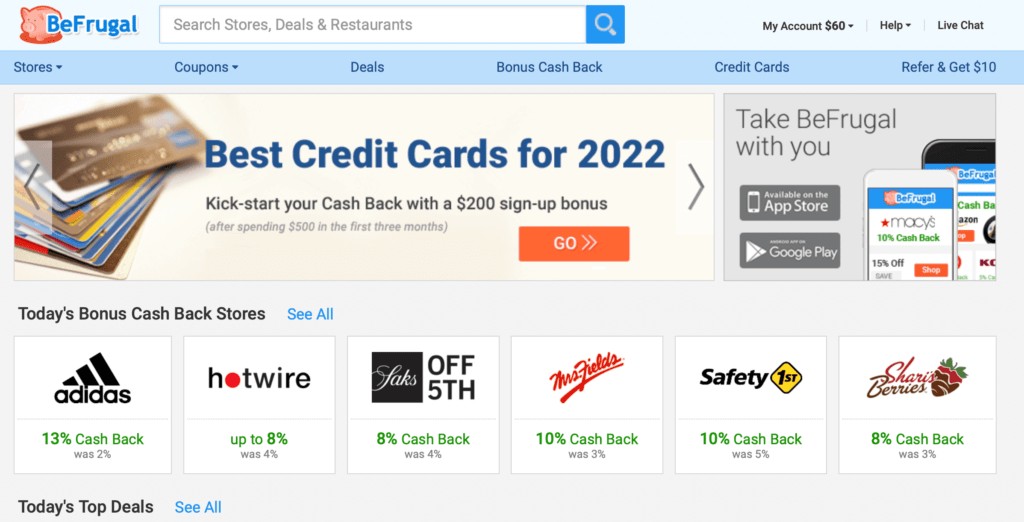
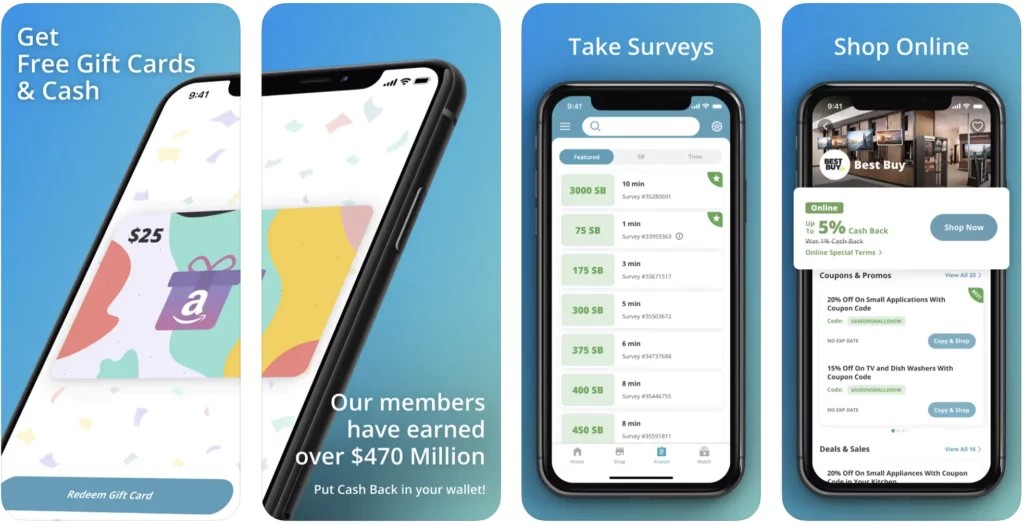
Sign-up credits show up in many formats: survey and rewards apps give points for basic tasks; shopping portals rebate part of purchases as cashback; fintech apps deliver starter credits after account setup; and some marketplaces reward referrals or first transactions. To claim these bonuses reliably, complete the simple steps: verify your email, fill out a profile, link a payment method, or scan a receipt after a qualifying purchase. Practical example: create a checklist for each new app—verify identity, link your bank or card, perform the qualifying action (like a first purchase or survey), then schedule a calendar reminder to check eligibility and cash out when possible.
4. Niche and Smaller Bonuses That Stack Nicely
Beyond mainstream offers, you’ll find niche sign-up deals from gaming apps, utility-like services that pay you for sharing bandwidth, and specialty investment vehicles that award a starter share. These smaller bonuses often have simple qualifying steps: verify a phone number, play an introductory round, or try a free feature. The strategy is to treat small incentives as incremental wins — try ones that require negligible time or money and combine them weekly. For instance, play one free game that gives a currency bonus, claim a small survey site credit after profile completion, and register with a shopping portal just before a planned purchase to capture both the rebate and the welcome gift.
5. Hunt for ‘Free Money’ Already Hiding in Your Budget
You don’t always need a new app to find extra cash—start by auditing recurring expenses. Subscription managers and bill negotiation services can identify and cancel unused memberships or negotiate lower rates for cable, internet, and phone plans. For an immediate boost, check whether switching to a different provider or enrolling in a new digital bank’s payroll deposit program triggers a welcome credit that aligns with money you already receive or spend. Practical step: list every recurring charge for one month, mark what you can cancel or renegotiate, and then enroll only in services whose sign-up rewards make sense for things you already planned to buy.
6. Smart Questions to Ask Before You Chase a Bonus
Before you sign up, read the fine print. Important considerations include minimum withdrawal thresholds, whether the bonus is withdrawable or locked into account credit, and any waiting periods before funds are transferable. Also check whether a qualifying step obligates you to recurring payments and how referrals are tracked. As a practical habit, screenshot the terms during signup and save confirmation emails. If a site requires a qualifying purchase, line it up with something you were already planning to buy so you don’t spend just to get a bonus. These precautions prevent surprises and preserve the real value of the offer.
7. Turning One-Time Bonuses Into Lasting Advantage
A welcome credit can be a gateway to smarter money habits if you use it intentionally. Use bonuses to seed an emergency fund, test a financial app before committing more time, or offset an essential expense you’d have anyway. Avoid turning sign-up hunting into impulse spending: set a rule that you’ll only claim offers that require no extra ongoing cost or that can be combined with purchases you were already going to make. Over time, tracking which apps actually deliver value will reduce churn and make it easier to pick the few services that truly improve your finances.
Welcome offers are a simple, low-risk way to add small boosts to your finances. Use clear checklists, read terms, and prioritize offers that align with your regular spending to make them truly beneficial.