How to Turn That Old Bike Into Cash: A Practical Guide to Selling Your Ride
If a bicycle is gathering dust in your garage, selling it can free space and pad your pocket. This guide walks you through why selling makes sense, where to list, how to prepare and price your bike, and smart tactics to close a sale—so you get a fair return with minimal hassle.
1. Why Selling Your Idle Bike Is Worth the Effort
Letting a bike sit unused often means lost value and lost opportunity. Turning it into cash can fund a tune-up for your current ride, contribute to a new purchase, or clear clutter. Even a modestly used bike has appeal—commuters, students and parents in your neighborhood often need reliable, budget-friendly options. Practical examples: donate the proceeds toward a family activity, trade the money for a bike shop service, or combine sale proceeds with a refurb budget. Thinking ahead about why you want to sell helps you pick the right venue: quick cash, highest return, or hassle-free pickup.
2. Choosing the Right Channel: Online, Specialty, or Local?
Before you list, decide what matters most: speed, price, or convenience. General online marketplaces reach many buyers quickly and are great when you want exposure. Niche bike marketplaces and consignment services attract enthusiasts who will pay more for quality and specific models. Local options—bike shops, rental outfits or community marketplaces—are best when you want immediate cash or to avoid shipping. For example, if you need money fast, take your bike to a nearby shop that buys used inventory; if you own a higher-end model, a specialist forum or consignment shop will likely find the right buyer who appreciates its features.
3. Listing on Broad Marketplaces: Tips for Faster Matches
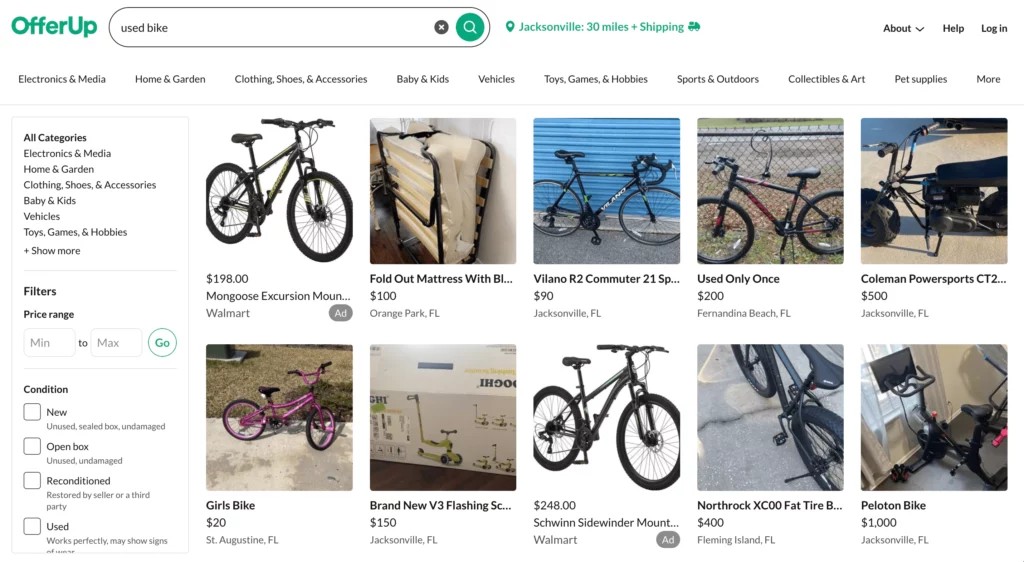
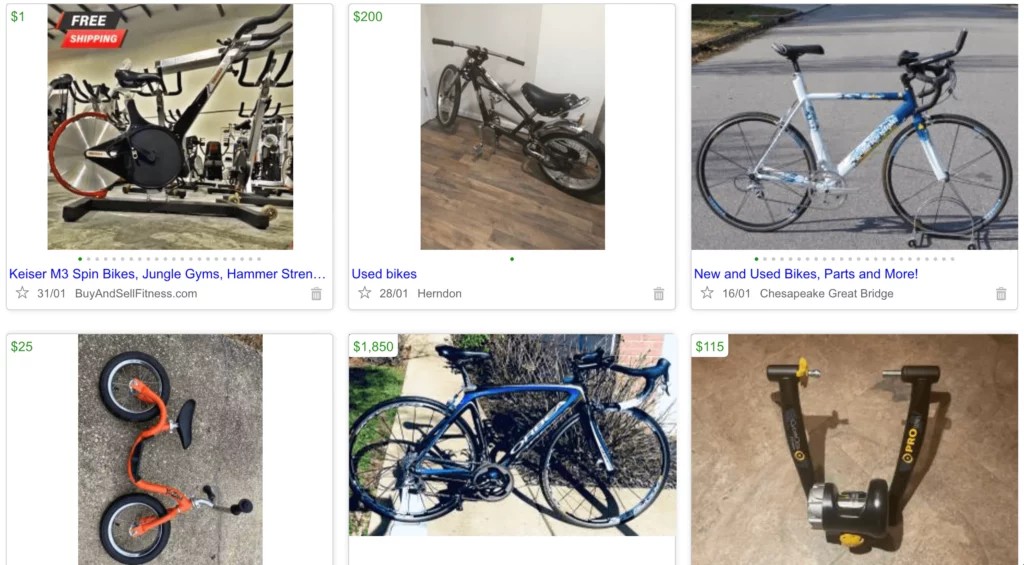
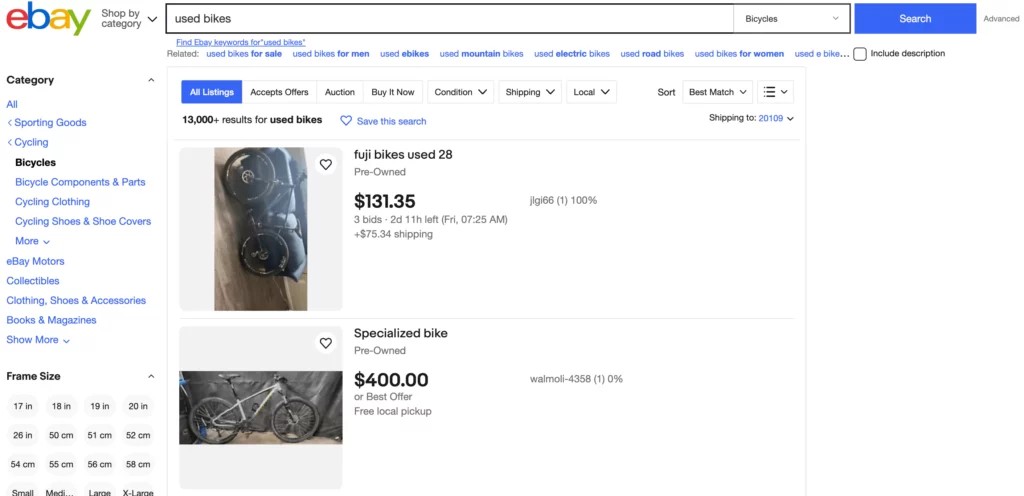
Large general marketplaces are powerful because of their audience size, but good listings stand out. Use multiple clear photos from varied angles, include frame size and model year, and describe recent maintenance or upgrades. Example approach: post the same listing on two different platforms—one for local pickup and one that allows shipping—and tailor the descriptions slightly to match buyer expectations. Be concise about flaws and invite test rides for local buyers. For shipping-minded buyers, mention how you’ll protect and box the bike, and estimate shipping time so buyers aren’t surprised after purchase.
4. Specialized Bike Sites and Consignment: When to Aim Higher
If you own a well-maintained road, gravel, or mountain bike, specialist marketplaces and consignment services can command stronger offers because buyers are focused and informed. These platforms may handle photography, vet offers, or even buy outright, reducing your workload. For instance, a consignment service will list, promote and ship the bike for you, taking a cut but often delivering a better final sale price than a general classifieds post. Use this route when your bike is recent, in good condition, or has desirable upgrades—buyers there look for specific builds, component groups and frame materials.
5. Selling Locally: Shops, Rentals, and Community Options
Local buyers are ideal when you want to close quickly without dealing with shipping. Bike shops may buy gently used inventory or accept trade-ins if you’re buying new. Rental companies sometimes expand their fleet by purchasing used, reliable bikes. Community channels—local buy/sell groups, weekend markets, or multi-family garage sales—can produce fast cash with minimal effort. Practical example: clean and tune the bike, then approach two nearby shops to compare offers; list the bike in a local neighborhood group with clear pick-up instructions; arrange meetings at public, well-lit locations for safety.
6. Setting a Smart Price: How to Value Your Bike
Price by combining the bike’s original market positioning, age, condition and demand. Start by checking current listings for the same model and year to see what buyers are paying. Adjust for wear, component upgrades, and any recent maintenance receipts. Example method: find three recent comparable listings—one higher, one similar, one lower—and set your asking price slightly below the higher comparable to attract interest while leaving room to negotiate. If shipping is required, factor packaging and courier costs into your asking price so you aren’t left absorbing unexpected fees.
7. Prep Work That Pays: Cleaning, Fixing and Photographing
A small investment in time and a few parts can improve buyer perception and final offers. Clean the drivetrain, touch up paint blemishes, and fix any small mechanical issues—replace worn tires or cables if that will convince a buyer to pay more. Take well-lit photos against a neutral backdrop: full-profile shots, close-ups of the drivetrain, wheels, and any damage. Example checklist: wipe the frame and components, inflate tires to riding pressure, include shots of serial numbers or receipt proof if available, and show the bike in its best functional state so buyers feel confident the bike is ready to ride.
8. Negotiation and Safety: Closing the Deal Smoothly
Approach offers with a strategy: set a firm lowest acceptable price before negotiations and be ready to justify your number with service records or recent upgrades. Encourage buyers to test-ride using a short, public route and request they bring ID or a responsible payment method. For payments, cash or trusted electronic transfers are common—confirm funds before handing over the bike. If shipping, use tracked methods and require payment cleared or an escrow-style service. Example tactic: respond quickly to inquiries, be honest about flaws, and offer a brief grace period for buyers to inspect the bike—this builds trust and reduces the chance of disputes after sale.
Selling a bike well is part preparation, part platform choice and part people skills. Clean it, price it with realistic references, pick the right marketplace, and practice safe, clear transactions to convert that unused bike into reliable cash.