How to Find, Qualify For, and Make the Most of Paid Focus Groups from Home

Paid focus groups are a flexible way to share your opinions with companies and get compensated for time and insight. This guide explains how they differ from quick surveys, who typically qualifies, realistic ways to pursue opportunities, where to look for legitimate studies, practical alternatives when invites are scarce, and answers to common questions so you can participate confidently.
1. Why focus groups often pay more than simple surveys
Focus groups go beyond ticking boxes: they look for depth, interaction and real-time reactions. Moderators ask follow-up questions, present concepts or prototypes, and observe how participants discuss ideas with one another. That richer feedback is more valuable to companies than one-off multiple-choice responses, so market researchers compensate participants accordingly. Practical examples include reacting to a short ad and explaining what elements stood out, testing a prototype app while narrating your experience, or taking part in a moderated discussion about daily routines. Expect sessions to be longer and more conversational than survey questionnaires; preparation and clear communication help you make the most of each opportunity.
2. Who research teams want — and how to present yourself
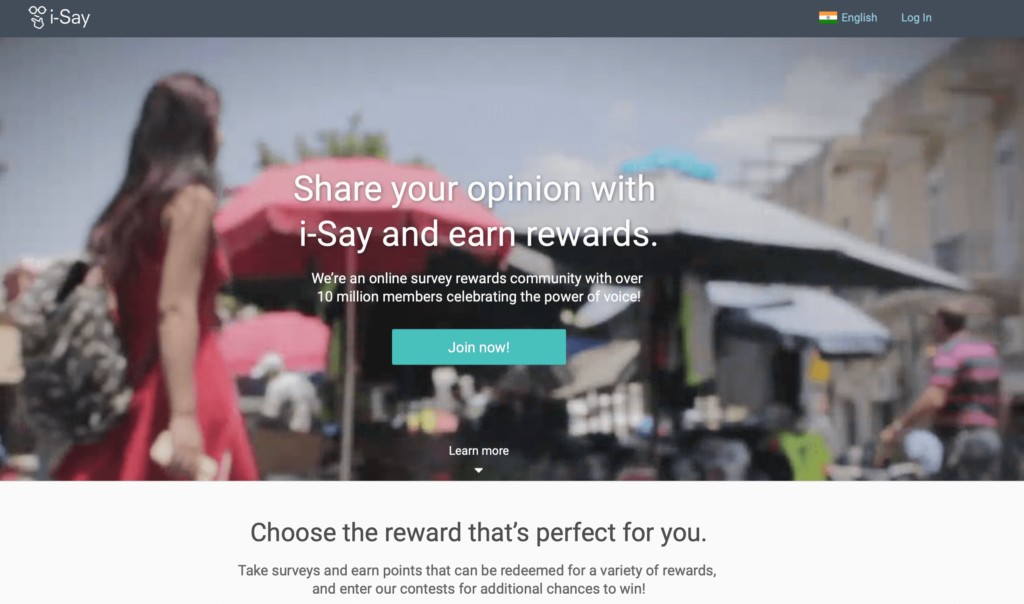
Eligibility is typically based on age, residence and specific life circumstances relevant to the study. Recruiters use profile questionnaires to match participants to niche needs—parents for child-focused products, professionals with certain job experience, or users of a particular device. Be complete and honest in your profile; accurate details increase invitations that fit you. Practical steps: use a dedicated email address to manage invites, keep a short summary of your background handy for profile fields, and update your info when life changes (new job, move, household changes). If you fit a narrowly defined panel, you may be invited more often than the average registrant.
3. A practical strategy: treating focus groups as a dependable side option
To earn steady extra income from focus groups, adopt a system rather than relying on sporadic luck. Apply to multiple reputable platforms, respond quickly to pre-screener invitations, and track which sites yield the most matches for your profile. Factor in time for screening questionnaires and potential follow-up sessions; often you’ll apply many times before qualifying. Keep a calendar for scheduled sessions and a simple spreadsheet to record platforms, dates, payment methods and any feedback. This approach helps you assess whether focus groups are worth your time compared with other side opportunities and avoids wasting effort on poorly managed or low-response panels.
4. Where to look — reputable platforms and how to vet them
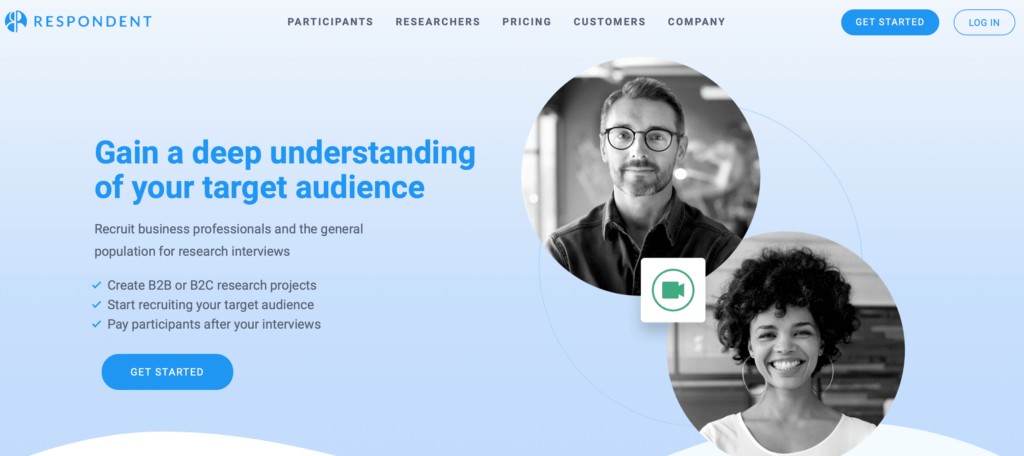
A wide range of established research platforms and regional panels recruit participants online and in person. Look for well-known marketplaces and dedicated company research portals that advertise their payment methods clearly and have visible contact information. Vet recruiters by checking payment options, reading sample participant instructions, and scanning recent user reviews for timely payouts. Practical examples: sign up on a mix of global marketplaces, specialist UX research platforms, and local panels; fill out complete profiles on each and link professional profiles when allowed. Avoid any site that asks for upfront fees, pressure to buy products, or vague payout promises—clear terms are a good sign of legitimacy.
5. Other practical short‑term options when invites are sparse
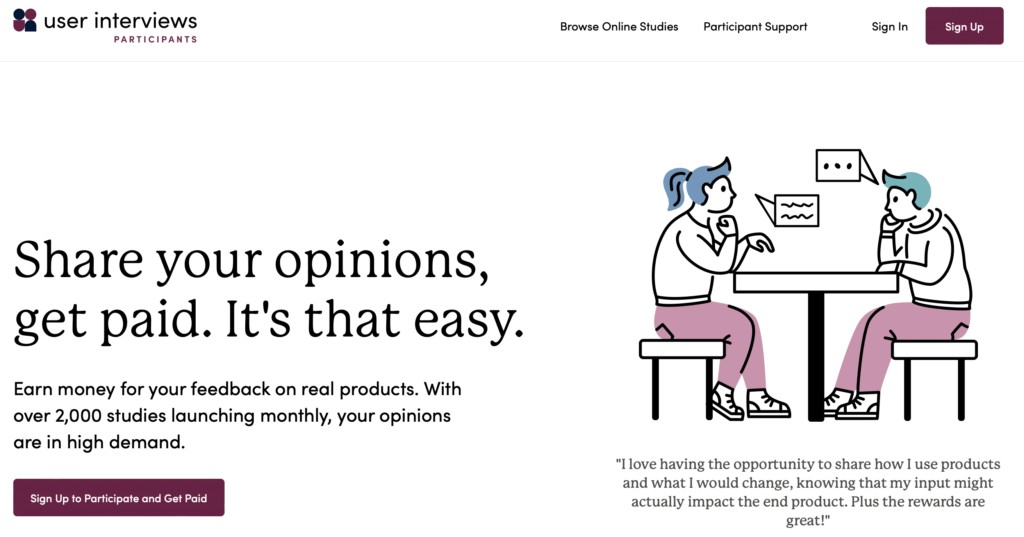
Since invitations can be intermittent, diversify with related ways to monetize spare time. Usability testing sites let you review websites and apps for targeted feedback; product testing programs ship items for evaluation; and micro-gig platforms offer on-demand tasks that fit odd hours. You can also pursue delivery or errand gigs locally for immediate pay, or build longer-term side income through content creation and investing apps. Practical example: pair a couple of recurring testing panels with a few app-based gig shifts each month, and use marketplace signups to capture occasional bonuses—this mix smooths income flow when research invitations are slow to arrive.
6. Quick answers to common questions about format, payment and safety
People frequently ask whether online focus groups are legitimate, how sessions are run, and what to watch for. Reputable studies will never require payment from participants and will describe compensation methods—gift cards, direct transfer, or mailed checks—upfront. Sessions may be remote via video conferencing or in person; remote participants should test audio, camera and connection beforehand. To avoid scams, verify organizer contact details, read privacy and payment policies, and treat any opportunity promising unrealistic guarantees with caution. Finally, focus groups can be a helpful supplemental income source but typically aren’t consistent enough to replace a primary salary.
With clear expectations and a simple system—multiple reputable signups, complete profiles, and a tracking method—you can reliably add focus-group work to your side-income mix. Be selective, protect your time, and combine opportunities so research invites become a steady, useful supplement.