How to Turn Your Lecture Notes into Reliable Side Cash — A Student’s Guide

If you already take clear, organized notes, you have a low-effort side hustle at your fingertips. This guide walks through practical ways to share and sell your study materials, where to list them, how to set fair value, and how to protect yourself and your classmates. Read on for straightforward examples and simple workflows you can start using between lectures.
1. Treat Notes Like a Product: Small Steps to Launch
Think of each set of notes as a tiny product you can refine and offer. Start by cleaning up a recent module: add headings, a short summary page, and a contents list so buyers can scan quickly. Convert handwritten pages to a readable PDF or take clear photos and stitch them together. Example workflow: after a midterm, spend an hour polishing the slides and adding quick exam tips, then upload a single module as a sample. Promote it in one student forum and measure interest. Treat feedback as customer research: if buyers ask for more examples or practice questions, add those to a revised edition.
2. Where Students Typically List Notes: Platforms to Consider
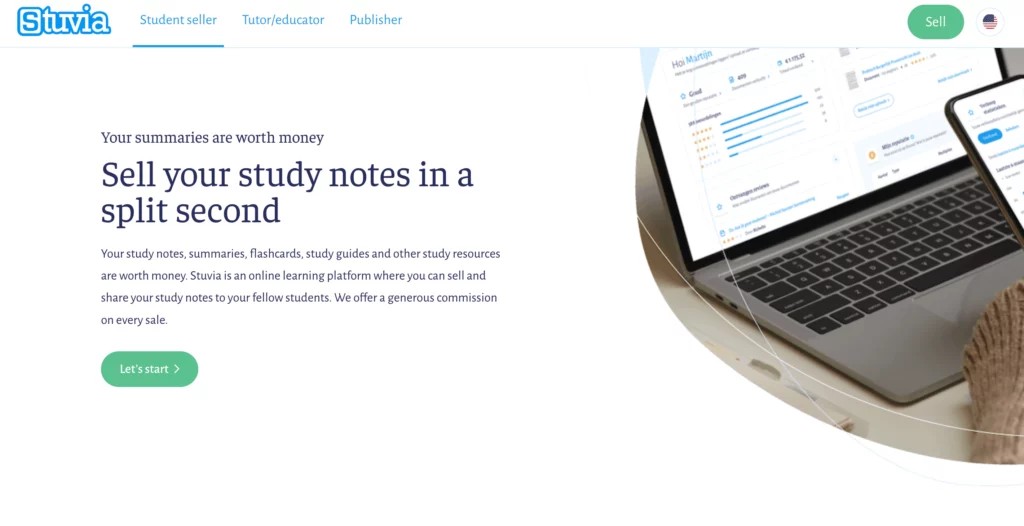
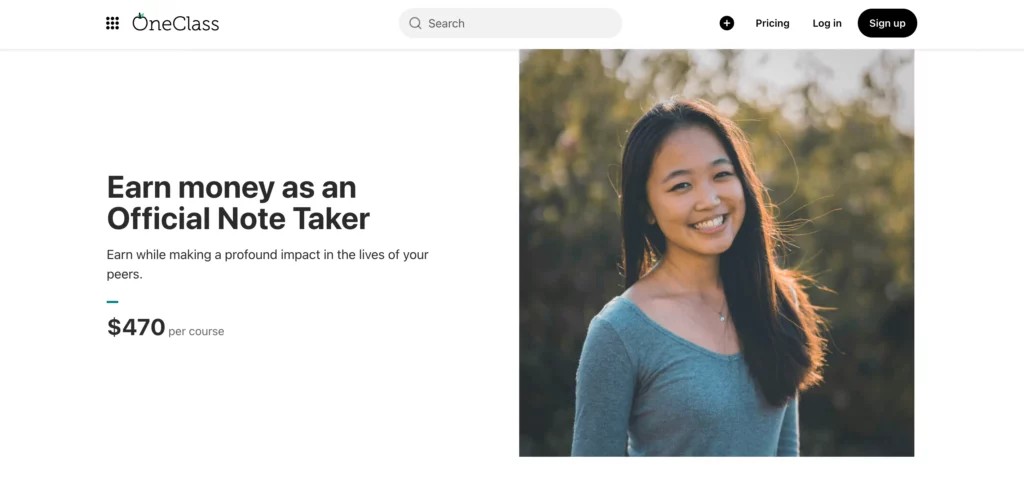
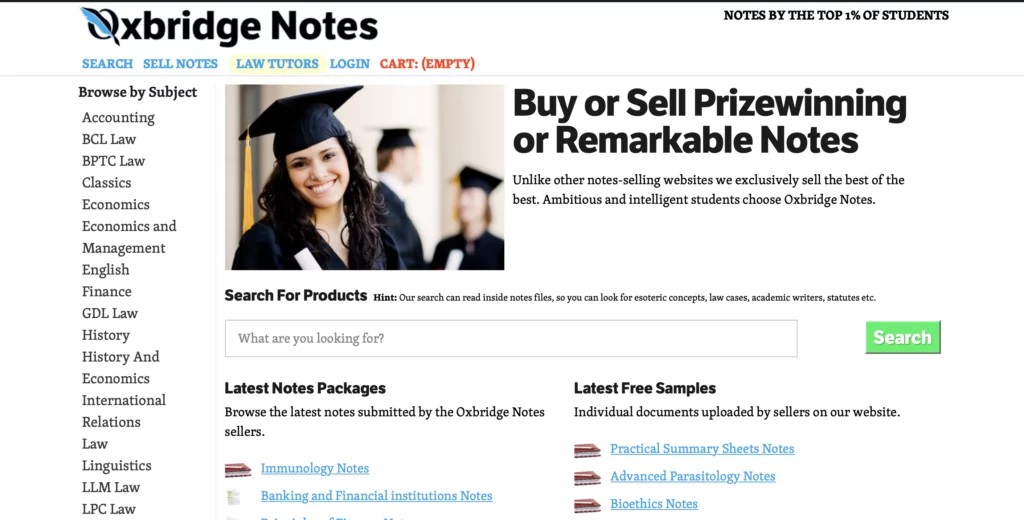
Specialized marketplaces host buyers looking specifically for study material, and they handle discovery, transactions, and sometimes quality checks. Each site has a slightly different model: some accept one-off uploads that earn per sale, others recruit semester-long note takers who submit regularly. Practical example: if you prefer a hands-off approach, look for platforms that handle formatting and customer service for you; if you like control, choose services that let you set titles, descriptions, and price. Before you sign up, scan existing listings in your subject to see how sellers present samples and what kinds of documents attract downloads.
3. Use General Marketplaces and Social Spaces to Reach Classmates
Beyond niche sites, campus networks and common marketplaces can yield direct buyers and let you keep more revenue. Post a clear sample and price on a course-specific group, tag classmates who might be missing lectures, or add a listing to a campus bulletin or student marketplace. For example, share a one-page preview in a semester Facebook group or in a subject-focused subreddit to drive interest without platform fees. When selling directly, include a short preview, delivery method, and a refund policy to reduce disputes. That personal route often works best for small batches and custom requests.
4. Valuing Your Notes: How to Price and Package Them
Price depends on depth, uniqueness, and timing. Comprehensive module packs and exam-ready guides command more attention than single lecture pages. A practical approach is to compare similar listings in your subject, then choose whether to sell per-document, as a bundle, or by subscription. Packaging examples: offer a free one-page sample to build trust; sell complete revision bundles for a slightly higher rate; or create incremental editions with added practice questions. Consider peak academic windows—students are more likely to buy closer to exams—and refresh listings each term so content stays current and attractive to buyers.
5. Complementary Student Side Hustles That Pair Well with Note Sales
If note-selling is part of a broader strategy, mix in related campus-friendly gigs that leverage your strengths. For instance, offer short tutoring sessions that use your notes as handouts, or create bite-sized study guides for classmates who prefer one-page summaries. Other options include micro-tasks like proofreading peers’ essays, freelancing as a subject-specific explainer on discussion boards, or sharing curated flashcard sets. Example combo: bundle a week of live review sessions with downloadable notes for a slightly higher package—this adds perceived value while staying compatible with a student schedule.
6. Keep It Legal and Respectful: Permissions, Privacy, and Best Practices
Selling notes requires attention to rules and fairness. Always use material you created and avoid reproducing instructor slides or copyrighted handouts without permission. Check your university’s policy and course-specific rules—some programs restrict commercial distribution of course content. Protect privacy by redacting classmates’ names from group work and by anonymizing any shared screenshots. Practical habits include documenting that notes are your original work, saving versions to show provenance, and offering refunds for mistaken uploads. Clear policies reduce risk and build trust with buyers and campus administrators alike.
With a bit of polish and sensible boundaries, your study notes can become a useful, low-effort source of extra income. Start small, learn what fellow students value, and scale the parts that work for you.