Where to Sell Old Stamps (and How to Get the Best Return)
If you’ve inherited a pile of vintage stamps or finally decided to part with a childhood collection, you don’t have to guess where to begin. This guide walks you through the practical options for turning stamps into cash, how collectors judge value, and smart tactics to protect your collection and your payout. Read on for clear next steps and examples you can use today.
1. Decide what you want: speed, convenience or top dollar
The very first decision shapes everything: do you want fast cash, a simple sale, or the highest possible price? Quick local options—like a pawn shop or a yard sale—get money into your pocket fast but rarely deliver top market value. Selling through specialist auction houses or dedicated philatelic sites usually takes longer, but connects you with serious buyers who will pay premiums for scarcity and condition. A practical approach: sort a few standout pieces for professional appraisal and list the rest in lots for local sale. That way you can free up space quickly while giving rare items a chance to reach enthusiasts who’ll value them properly.
2. What kinds of stamps attract collectors today
Collectors look for characteristics that tell a story or prove rarity. Stamps tied to important historical moments, limited printings, unusual errors or interesting subject matter draw attention. Condition matters: crisp gum, intact perforations and minimal soiling improve desirability. Postal history items—covers with dated postmarks or rare routes—can also be prized. Practical example: a themed set celebrating a famous explorer may appeal to topical collectors; a misprinted stamp can spark bidding wars. If you’re unsure whether a stamp fits any of these categories, photograph it clearly and seek a specialist appraisal before deciding how to sell.
3. Key factors that determine a stamp’s market value
Several consistent factors influence what buyers will pay: scarcity, physical condition, current demand, origin and subject matter, and printing quality. Even an old stamp can be common and worth only its face value, while a later-issue error or scarce regional issue may command far more. Condition-related problems like creases, thins, or heavy cancellations will reduce price; conversely, an unused or well-centered example can increase it. To apply this: inspect each piece, separate mint from used, group by country and theme, and note any imperfections. That organization speeds appraisal and supports accurate descriptions when you list items online or present them at a show.
4. How specialty stamp websites and auction houses help you reach serious buyers
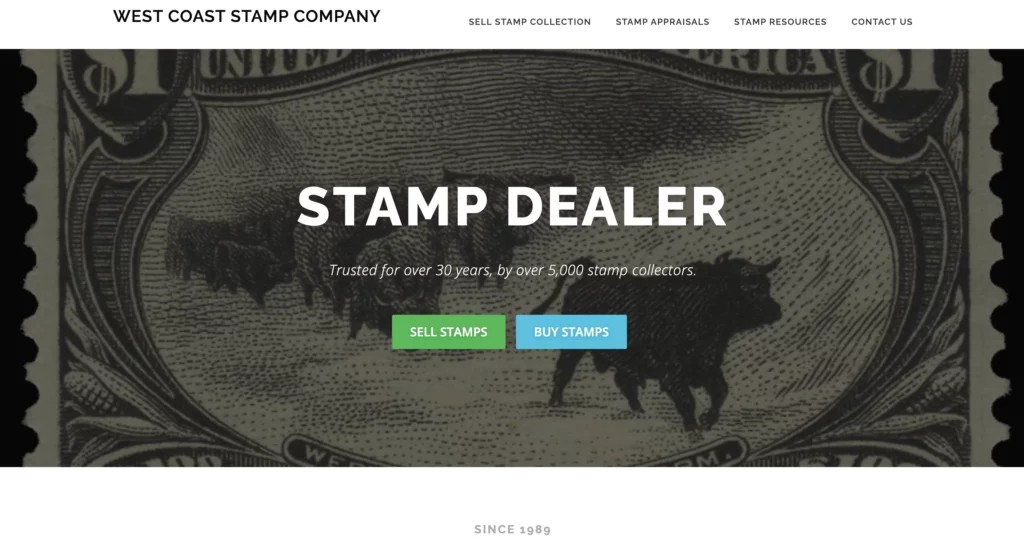
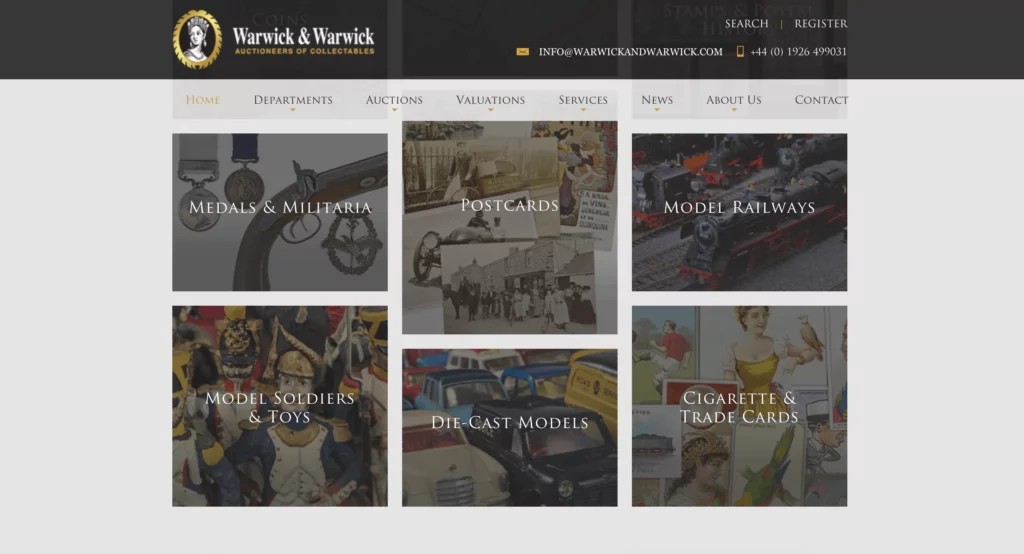
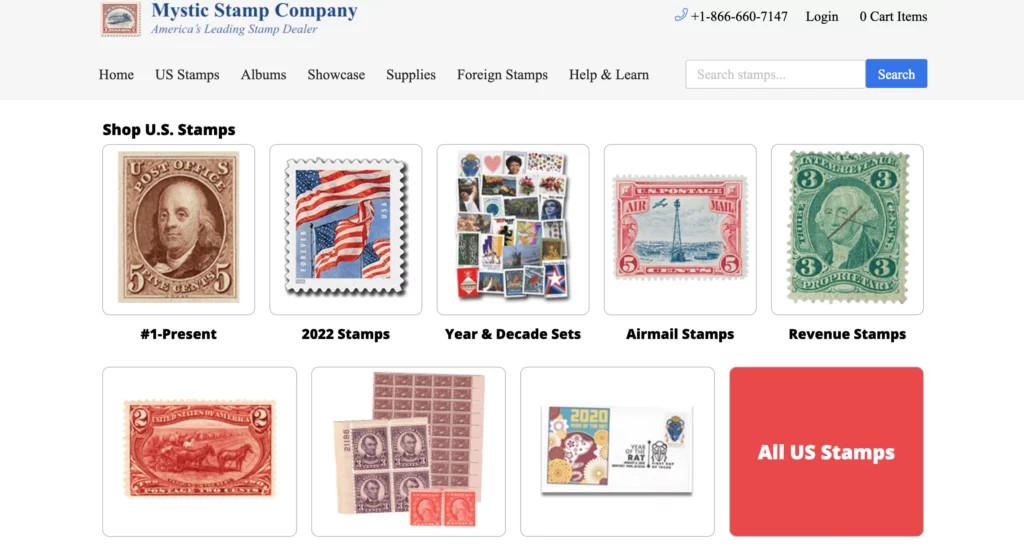
Websites and auction houses dedicated to philately offer a targeted audience and services that general marketplaces can’t match: professional appraisal, consignment options, and curated auctions that draw collectors. If you have standout pieces, consigning them to a reputable philatelic auction or listing on a specialist marketplace can produce higher sale prices than a generic listing. Practical steps: gather clear, well-lit images and any provenance or research you have, request a complimentary valuation when available, and ask about shipping and insurance procedures. Consignment often involves a fee, but the trade-off is access to bidders who know and value stamps properly.
5. Using broad online marketplaces to widen your audience
General marketplaces and classified sites put your stamps in front of casual collectors, hobbyists and bargain hunters across a wide geographic area. These platforms let you choose auction-style listings to encourage bidding or fixed-price listings for a faster sale. Practical tips: use high-resolution photos, include measurements and condition notes, and add searchable keywords such as country, era, and theme. For larger or more ambiguous lots, offer multiple photos of the entire group and select close-ups of any noteworthy items. When selling locally through classifieds, arrange meetings in public places and accept cash only to reduce risk.
6. Selling in person: fairs, flea markets, pawn shops and yard sales
If you prefer face-to-face transactions, local options can clear inventory quickly and let buyers inspect stamps before committing. Stamp fairs and collector meetups are ideal when you have higher-value or specialty material—renting a table can put you directly in front of serious buyers. Flea markets and yard sales work best for bulk lots and common issues; price items to move and offer bundle discounts. Pawn shops and antiques dealers are useful for instant offers, though their quotes may be conservative. Bring organized albums, price lists, and clear packaging so interested buyers can see what they’re evaluating without risking damage.
7. Practical steps to prepare stamps for sale and boost their price
Preparation pays: start by sorting and cataloging your stamps by country, era and condition. Clean or flatten fragile stamps only if you have the right materials—improper cleaning can destroy value. Photograph each item against a neutral background with good lighting; include close-ups of any flaws and scans of backings or inscriptions. Research recent sale results for similar items so your price is realistic, and obtain multiple appraisals for pieces you suspect are valuable. When shipping, use padded envelopes and insured carriers and always retain tracking. Group lower-value issues into lots to make them more appealing to buyers who want quantity.
8. When to sell and how to choose the right channel
Timing and channel both affect final return. If a stamp ties to a current anniversary, exhibition or topical trend, demand may be higher—consider timing a sale to match that interest. For rare items, auctions and specialist dealers are usually the best channel; for steady-but-unremarkable lots, broad marketplaces or local sales may be faster and easier. Decide whether you want guaranteed cash today (accept a dealer’s offer) or to take your chances at auction. Practical strategy: keep a shortlist of pieces you’ll consign and another batch you’ll liquidate locally, then reassess the market annually rather than selling everything at once.
9. Answers to common seller questions
Are postmarked stamps valuable? Sometimes—postmarks that document a place and date can add interest, especially for postal historians, but condition and rarity remain primary drivers. Who buys old stamps? Collectors, dealers, and people who flip collectibles all form the market; each channel prefers different grades and quantities. How can you tell value? Start with online comparables, then seek a specialist appraisal for anything that seems rare. Will the post office buy your unused stamps? Postal services typically don’t purchase collector items; they may accept donations. Practical tip: keep records of any appraisals and recent sales to support pricing when you sell.
Whether you want a tidy profit or immediate cash, a little research and preparation will make a big difference. Sort, document and choose the sale route that matches your goals—then ship insured, meet safely, and keep good records. Happy selling.