Sell Your Vintage Postcards: Smart Places and Strategies to Get More Money
Whether you’ve inherited a box of travel-era cards or uncovered a stack in the attic, old postcards can be small treasures. This guide walks through practical routes to sell them, how to spot what might be valuable, and real-world steps to maximize what you receive — online and in person.
1. Why Postcards Still Catch Collectors’ Eyes
Even though mailed correspondence is less common today, postcards remain appealing to collectors for their images, social history, and design. A single card can capture a vanished street, a holiday illustration style, or a snapshot of local life, making it attractive to people who build themed collections. For example, cards showing small-town Main Streets or early seaside resorts often draw interest from regional collectors, while illustrated holiday scenes can appeal to niche specialty buyers. If you’re deciding whether to sell, think about who might want the card — historians, design lovers, or local enthusiasts — and how that audience will influence where you list it.
2. Key Traits That Drive Value
Several consistent factors determine what buyers pay for a postcard: its age, subject matter, rarity, condition, and who made it. Older cards and those showing lost places or significant events often have higher demand. Condition matters — crisp corners, clear imagery, and minimal writing typically fetch better offers — yet in some cases postal marks or a meaningful message add provenance and desirability. A card produced in small numbers or by a notable printer or photographer can command more attention. When evaluating a card, compare similar examples sold recently rather than relying on gut feeling; market interest ultimately dictates value.
3. Which Kinds of Cards Collectors Seek Most
Certain postcard categories tend to draw steady collector interest: early photographic cards, cards from defunct towns or businesses, themed series, and those with special production features like embossing or metallic accents. Real photographic postcards (actual photo prints trimmed to postcard size) are prized for their scarcity, while wartime, holiday, and event-specific cards often trigger strong bids. Autographed cards or those with scarce postal cancellations can be particularly desirable. Practical example: a rarer seaside resort card from a town that no longer exists may outperform a mass-produced city skyline card because fewer copies survive and regional collectors will pay a premium to fill a gap.
4. Specialist Online Outlets: Targeted Buyers, Less Noise
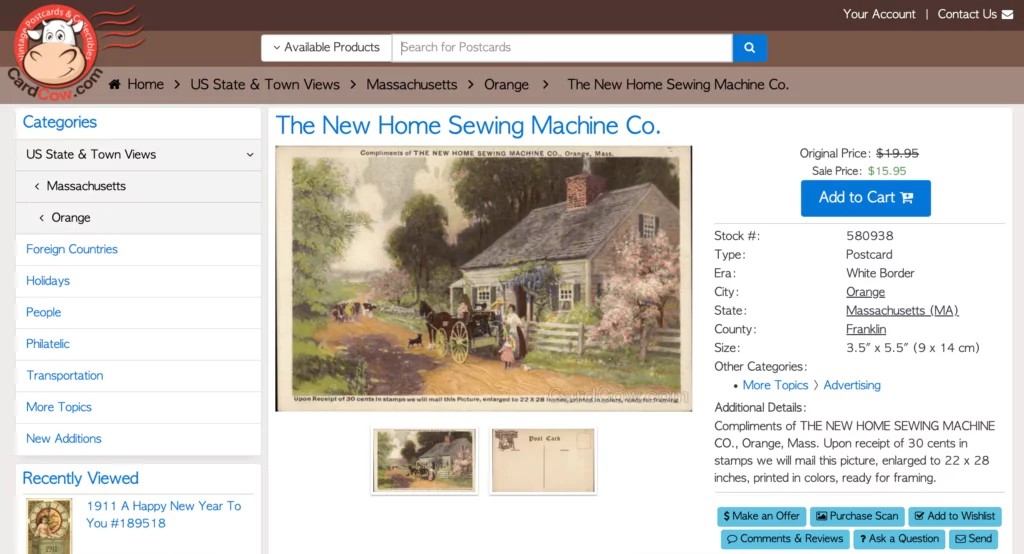
Websites devoted to postcards and collectibles can connect you with buyers who know the market, which often leads to fairer prices for unusual or themed cards. Specialist platforms allow detailed listings and attract collectors searching for particular subjects, eras, or production techniques. For instance, a seller with a box of town-view cards might list them on a postcard-focused marketplace to reach serious regional collectors, or contact a long-standing postcard dealer who buys entire collections. These venues sometimes offer appraisal assistance and consignment options, so they work well if you prefer a curated sale rather than managing dozens of individual listings.
5. When to Let an Auction House Handle It
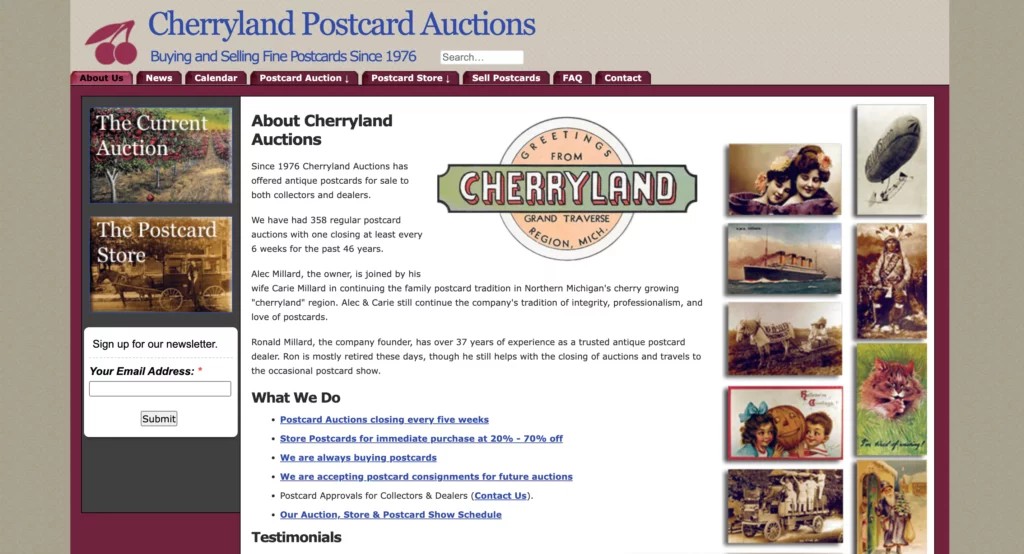
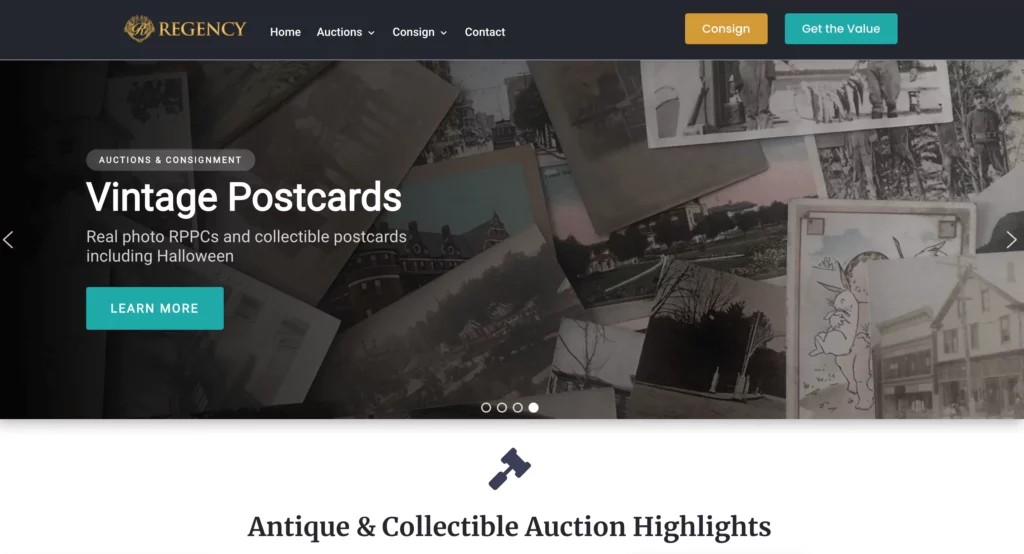
For rare, museum-quality, or highly desirable postcards, auction houses — from specialized auctioneers to large international houses — can attract knowledgeable bidders and competitive bidding. Auctions are most useful when you suspect an item is uncommon or when provenance and rarity could generate interest among collectors, dealers, or institutions. Practical steps include requesting an appraisal, asking about consignment terms, and understanding minimum sale thresholds or reserves. Keep in mind auction fees and timing: consigning may take weeks to months, but the payoff can be higher when a knowledgeable audience competes for a standout piece.
6. Broad Marketplaces for Reach and Convenience
Large general marketplaces provide exposure to a wide range of buyers and are ideal for single cards or mixed lots that appeal to casual collectors. Platforms with auction-style listings or buy-it-now options let you choose the selling format that suits you — fixed price for quick sales, or auction when demand might push the price up. To succeed there, include clear photos, accurate condition notes, and searchable keywords relevant to the card’s subject. For example, a vintage celebrity postcard can do well on a mass marketplace if you tag the performer’s name, the era, and any production details so fans and hobbyists can find it.
7. Selling Face-to-Face: Shops, Markets, and Collectors Near You
If you prefer immediate cash or want to avoid shipping, local routes like antique stores, flea markets, community collectors’ meetings, and private buyers are worth exploring. Pawn shops and thrift dealers may make offers for mixed lots, while specialized dealers or private collectors will pay more for standout pieces but may require proof of rarity or provenance. Yard and flea markets work well if you have lots of common cards to sell in bulk — set up organized displays by theme, price bundles, and advertise locally to attract browsers. Always meet buyers in public, well-lit spaces and be prepared to negotiate politely.
8. Packing, Shipping and Platform Costs to Anticipate
When selling online, secure packaging and an understanding of platform charges protect your reputation and your proceeds. Use rigid mailers, corner protectors, and archival sleeves to prevent bends and scuffs during transit; photograph packaging steps to document condition before shipping. Each platform has its own fee structure for listings, final sales, and payment processing, and some services offer seller protections or label printing. If selling locally, factor in transportation and any stall or consignment fees. Practical example: include a buffered envelope and a rigid cardboard sandwich for a single card, and check the marketplace’s fee breakdown before pricing to preserve your margin.
9. Listing That Works: Photos, Descriptions, and Pricing
A well-crafted listing converts interest into offers. Take multiple, well-lit photos showing both sides of the card, close-ups of corners and any marks, and include a scale reference. Write an honest, concise condition statement and highlight historically interesting details, such as a dated postmark or a photographer’s credit. Research recent sales of similar cards to set a competitive price — consider offering bulk discounts for multiple cards from the same town or series. For example, price individual common postcards attractively but create themed lots for collectors who prefer to buy several related pieces at once.
10. Deciding Whether to Sell Now or Hold On
Choosing to sell depends on your goals: immediate cash, decluttering, or long-term investment. If a card fills a known gap in a popular collecting area, selling now to the right audience may yield a good return. Conversely, keeping rare regional views or exceptionally early photographic cards can be sensible if you’re not pressed for funds — their niche appeal can strengthen over time. Consider splitting a collection: sell common pieces in bulk and retain a few potentially high-interest items. If you inherit a collection and aren’t attached, consulting a specialist can save time and help you prioritize which cards to market aggressively.
11. A Quick Primer on Postcard Origins and Styles
Knowing a bit about postcard history helps when describing and valuing items: early cards emerged in the 19th century and evolved from simple views to glossy photo reproductions and artist-printed series. Different production methods — lithography, real photo prints, and embossed or metallic finishes — affect rarity and collector appeal. For practical use, identify a card’s era by examining printing techniques, paper stock, and any postal markings. For example, a dark-gray photographic print trimmed to postcard size likely differs in market treatment from a brightly colored lithographed souvenir card, and that distinction should be highlighted in your listings.
Whether you’re clearing out a family stash or testing postcard flipping as a side project, matching the card to the right buyer and presenting it honestly will make the difference. Start small: sort, photograph, and research a handful of cards to learn how the market responds, then expand with confidence.
