Where to Sell Your Board Games: Smart Options to Clear Space and Earn Cash
If your game shelf is overflowing or you’re ready to turn a hobby into a little income, there are thoughtful ways to sell used board games that balance convenience and return. This guide walks through the practical choices—from broad online marketplaces to neighborhood meetups—so you can pick the path that fits your goals and the time you want to spend.
1. Weighing Online Reach Against Local Convenience
Start by deciding whether you want to chase top dollar or a fast, low-hassle sale. Online channels give your listing exposure beyond your neighborhood, which often attracts collectors and yields higher prices for rare or in-demand titles. Local options let you avoid packing and shipping, hand over games in person, and get immediate payment. For example, if you have a complete, mint-condition collector’s edition, listing it on a dedicated online marketplace could attract the right buyer. Conversely, if you need to clear a stack of family-friendly games quickly, a local sale or pickup through a neighborhood app will move them faster and free up your space.
2. What Really Affects Resale Value
Several practical factors shape how much a used game will fetch. Condition is paramount: intact boxes, unmarked cards, and all components present will always be more appealing. Popularity and current demand matter too—titles recently featured on podcasts or in lists tend to sell faster. Special or limited editions and out-of-print games attract collectors and can command higher prices. Conversely, missing pieces, water damage, or heavy wear significantly reduce appeal. A good habit is to check recent completed listings for the same edition to see what buyers actually paid, rather than relying on original retail price or asking prices.
3. How to Choose the Right Platform for Each Game
Match your goals to the platform’s strengths. Ask who uses the site, how easy it is to list items, what payment methods are supported, and whether the platform helps with shipping. For example, general marketplaces reach many casual buyers, while specialty communities bring enthusiasts willing to pay more for rare editions. If you prefer not to ship, prioritize local marketplaces and groups. Consider seller protections and customer support too—if you’re selling higher-value games, platforms with dispute resolution and secure payment options provide peace of mind.
4. Broad Marketplaces: Reach More Buyers at Once
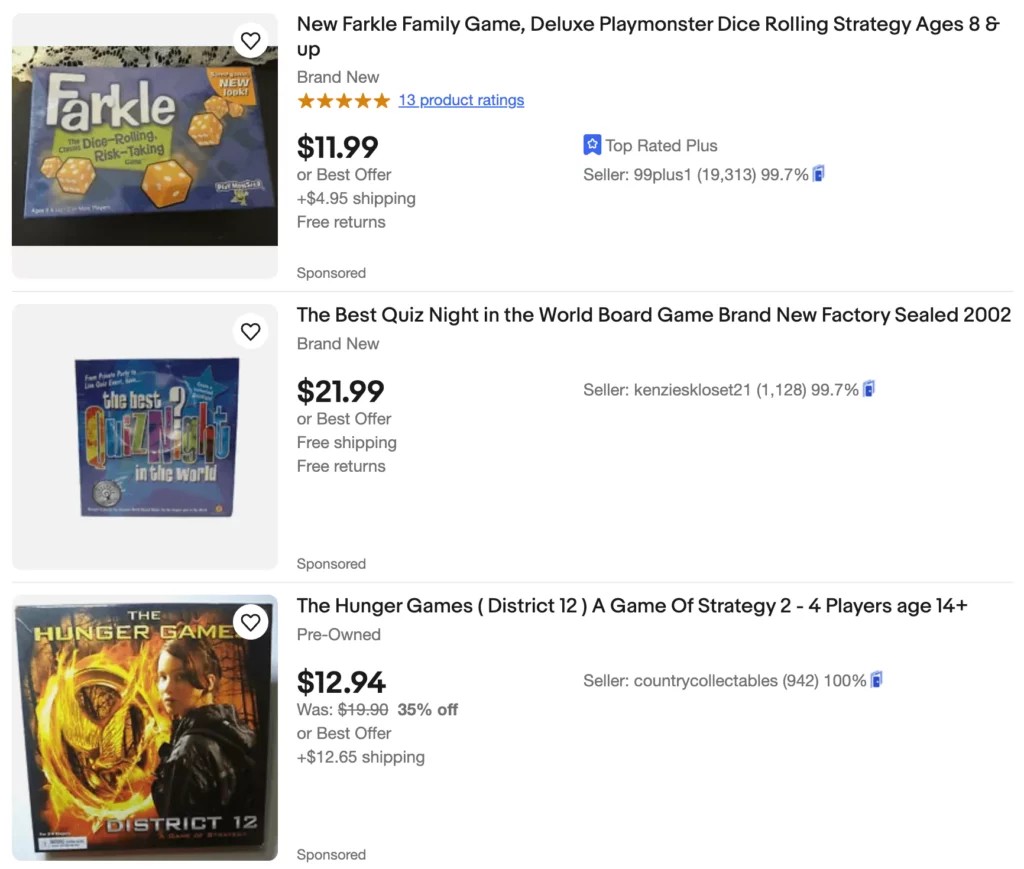
Large online marketplaces offer a huge audience and flexible listing styles—auctions, fixed-price listings, or local pickup. They’re a strong choice if you want multiple potential buyers across regions. Practical tactics include using bright, well-lit photos showing the box and components, writing an honest condition summary, and bundling related titles to increase average order value. When you ship, include tracking and package components securely in bubble wrap and a sturdy box. If you prefer in-person exchanges, choose a public meeting place and confirm payment before handing over the game.
5. Niche Sites and Marketplaces for Enthusiasts
Websites focused on board games attract buyers who know the hobby and value specific editions, expansions, and condition details. These platforms often have tools for locating your exact edition and for listing with nuanced condition notes. Sellers benefit from a targeted audience that understands component sets and expansion compatibility. Use these venues for older, rare, or collectible copies rather than everyday family games. A practical approach: compile a checklist of included components, snap clear photos of any distinguishing marks, and use the site’s format to list edition and release information so collectors can find your listing easily.
6. Selling Through Social Channels and Community Forums
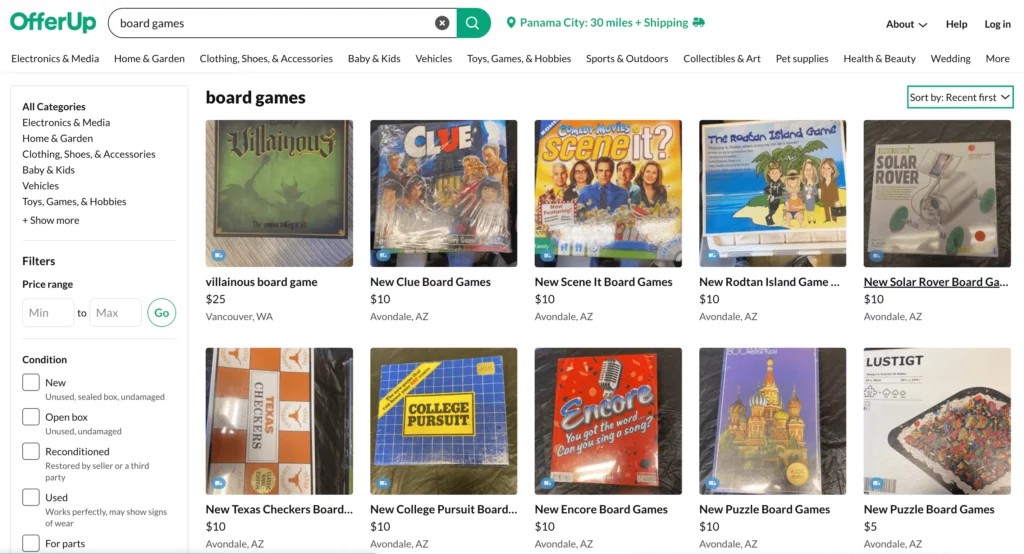
Social platforms and forums let you connect directly with buyers, often without intermediary fees. Marketplace tools on social networks and hobby-focused subforums enable local pickups or shipping arranged between buyer and seller. When using community groups, follow the group’s posting rules and include a concise, accurate condition summary with multiple photos. For safety in local swaps, propose a busy public location like a café or community center and accept cash or instant payment apps. Community buyers can be especially good for unusual pieces or games that need explanation, since you can respond to questions in real time.
7. Local Options: Stores, Sales and Events Where Games Move Quickly
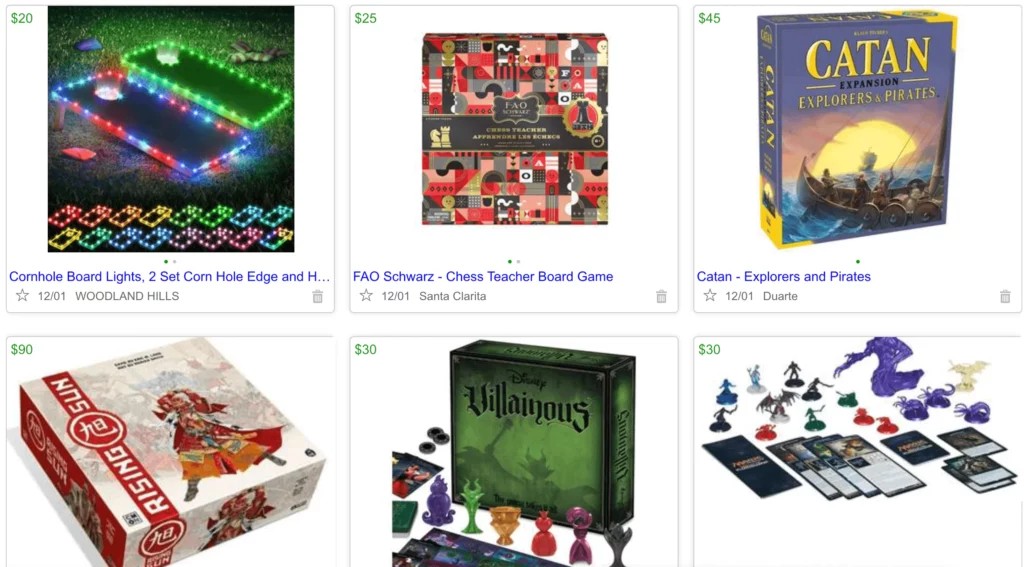
Selling in person can speed up the process and eliminate shipping headaches. Local game stores sometimes buy used inventory or will offer store credit; calling ahead to learn their policies saves a wasted trip. Yard and garage sales are effective when you want to sell many titles at once—display games neatly and price realistically. Flea markets and conventions reach a steady flow of buyers; at conventions you’ll meet fellow enthusiasts willing to pay for niche items. Bring games boxed and organized, and be ready to negotiate. For example, offer a small discount when someone buys several games to encourage larger purchases.
8. Practical Listing, Packing, and Negotiation Tips
Good presentation and honest communication speed sales and reduce returns. Take clear photos from multiple angles, show the rulebook and key components, and note any imperfections. Write a precise, accurate description that lists missing or replacement parts if any. For shipping, package boards and components flat in a box with corrugated protection and seal corners well; use zip bags for small pieces. Price competitively by checking recent sales of similar-condition copies, and consider bundling smaller games. When meeting buyers in person, accept cash and meet in a public place; when shipping, provide tracking and confirm receipt.
9. Deciding When to Sell and How to Make It Worthwhile
Choose a selling path that fits your timeline and effort tolerance. If you’re short on time, local sales deliver quick cash and immediate clutter relief. If you want the best possible return, invest a little time in photographing, researching recent sales, and listing on niche or large online platforms. For a light side hustle, source undervalued games from thrift stores and resell them after a clean-and-photograph routine. Track what sells well in your local market, and rotate strategies—what works for a collectible title may not suit bulk family games. The key is balancing effort, safety, and expected return.
Selling board games can be simple or strategic depending on your goals. Use the ideas above to match each title to the right channel, prepare honest listings, and protect yourself during transactions. Whether you clear space quickly or aim for the best resale value, a little preparation goes a long way.