What to Do With Old Gadgets: Smart Ways to Turn Electronics into Cash or Credit

You don’t need to hoard old phones, laptops, or chargers at the back of a drawer — even damaged devices can have value. Below are seven practical approaches to get money, store credit, or useful second life for your electronics, with concrete examples to help you pick the best path for each item.
1. Find the Hidden Earnings in Everyday Drawers
Before you list anything, take a quick inventory: old phones, tablets, unused routers and single-purpose devices often sit unused but still have options. Sometimes the easiest route is to repurpose—turn an old smartphone into a dedicated home security camera, a music streamer for a smart speaker, or a digital photo frame. If you really want cash, consider light flipping: gather several items and sell them together as a bundle to a buyer who repairs electronics. You can also explore apps and services that let idle devices earn small amounts through tasks like background data sharing — but always research privacy and payment terms before enrolling a device.
2. Simple Prep Steps That Raise Your Offer
A little effort up front usually leads to better offers. Start by wiping personal data and performing a factory reset; for phones, remove SIM and unlink accounts. Clean the device physically—remove dust from ports and wipe screens with a soft cloth—and photograph it in natural light from multiple angles to show true condition. Price research matters: check recent completed sales for similar models to set a realistic expectation. Be transparent in your description about scratches, battery health, or missing accessories. Clear communication and accurate listings reduce returns and build trust with buyers or trade-in programs.
3. Send to a Specialist: Turnkey Sites for Easy Selling
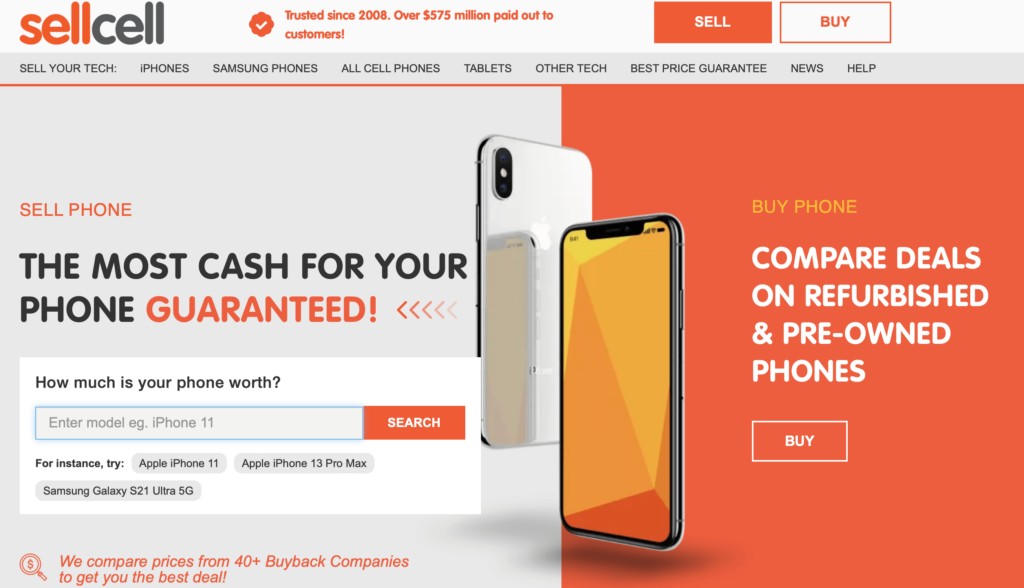
If you prefer a hands-off sale, specialist buying services can be the fastest route. These companies typically ask a few condition questions, offer a quote, and provide a prepaid shipping label so you don’t have to find a buyer. Some buyers focus on certain brands or product types, while others accept damaged units for parts or refurbishment. For example, a broken tablet might have more value sent to a refurbisher than listed locally. Use a price-comparison tool to surface the best quote, then choose the buyer whose payout method (PayPal, check, or store credit) and timing match your needs.
4. List It Yourself on Open Marketplaces
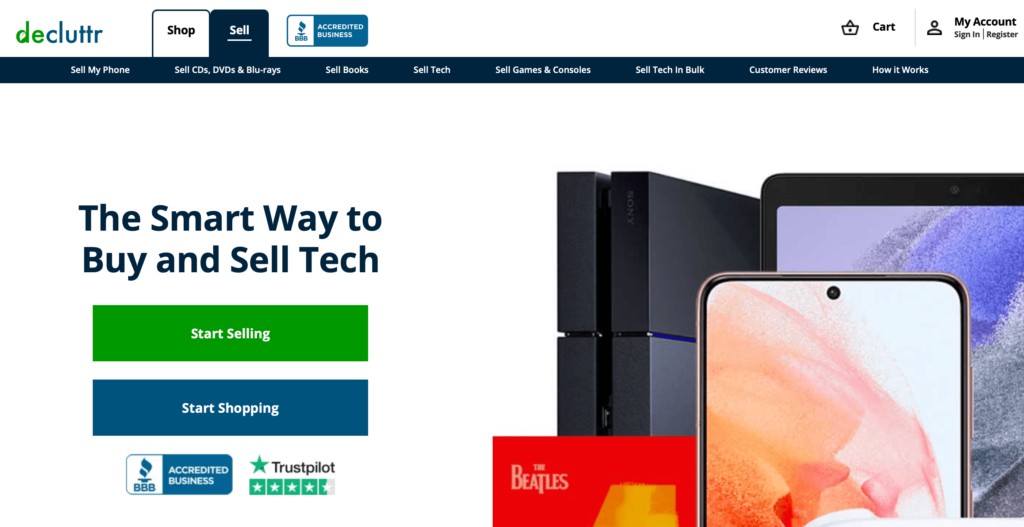
Selling directly on peer-to-peer platforms usually returns the highest price but takes more hands-on work. Create a clear listing with several sharp photos, an honest condition summary, and any relevant specs like storage size or model year. Set expectations about shipping or local pickup and choose secure payment methods—use tracked shipping and require confirmation of delivery. For local sales, meet in daylight in a public place and accept cash or an instant verified transfer. If you have multiple similar items, consider grouping them to attract bulk buyers and reduce per-item shipping hassle.
5. Trade-Ins and Retail Buybacks for Convenience

Trade-in programs are a good option when you plan to replace a device and want a quick, straightforward credit toward a new purchase. Retailers and manufacturers commonly accept eligible devices in exchange for store credit or a coupon after a condition check. The convenience is attractive: bring the device to a store, let staff assess it, and apply the trade-in value at checkout. Compare that trade-in value to what you’d get selling privately; sometimes the difference is worth the time saved, especially during a purchase when you’d be spending with the same retailer anyway.
6. Match the Route to the Device and Your Goals
There’s no single “best” place — the right choice depends on condition, how quickly you need cash, and how much effort you want to invest. For near-mint devices, direct listings usually maximize returns. If a gadget is damaged or older, a specialist buyer or refurbisher can offer hassle-free cash or disposal. Kiosks and in-person buyback locations offer instant payment but may pay less. If you have a stack of items, look into bulk buyback programs that pay per-item and reduce shipping overhead. Weigh convenience versus price and pick the channel that aligns with your priorities.
7. Quick Answers and Safety Reminders
Common questions often come down to feasibility and safety. Yes, many services accept older or nonworking electronics for parts or recycling, though they may pay less than for fully working items. Always erase personal data and remove accounts before handing a device over. For local sales, prioritize public meeting spots and instant payment methods; avoid accepting checks. When shipping, use tracked carriers and insure higher-value items. If you’re unsure which route to pick, get multiple quotes: a comparison of offers from specialist buyers, trade-in values, and marketplace estimates will reveal the best balance of speed, convenience, and payout.
Every old device has options: repurpose it, sell it privately for top dollar, use a specialist for a quick sale, or trade it in for credit. With a little prep and the right channel, you’ll free up space, reduce waste, and put cash back in your pocket.