Where to Sell Baseball Cards: A Practical Guide to Turning Collections into Cash
Deciding to sell cards can feel overwhelming — whether you want quick cash, top dollar, or to pass pieces along to fellow collectors. This guide walks you through choosing the right route, preparing your cards, and the best places to meet buyers both online and in person.
1. Decide your goal first: speed, profit, or sentiment
Before you list a single card, clarify what you want from the sale. Are you after immediate cash to clear space, the highest possible return for a standout piece, or simply passing items to a collector who will appreciate them? For quick cash, local buyers or dealers can move bulk lots fast. If you’re chasing top value, plan time for research, grading, and selling in an auction or specialty market. And if memories matter, consider selling within collector communities that will preserve provenance. Sketch a simple plan—target timeline, minimum acceptable price, and whether you’ll sell items individually or in lots.
2. What actually affects a card’s value
Several familiar factors shape how much a card can fetch: who’s pictured, how many were made, its physical condition, current collector demand, and any unique features like autographs or limited-edition printing. A rookie card of a well-known player or a scarce promotional printing tends to draw more attention; a bent corner or heavy surface wear reduces value. Demand can spike because of player performance or nostalgia trends, so timing matters. When assessing worth, compare similar recent sales and remember that rarity and condition combined usually determine whether a card belongs in a bargain bin, a specialized marketplace, or a high-end auction.
3. Simple steps to protect and boost value before you sell
Good preparation raises buyer confidence and can increase sale prices. Store cards in archival sleeves and rigid top-loaders or binders to avoid bends and edge wear, and keep them away from heat and humidity. Photograph items on a clean, neutral background with even lighting and include close-ups of corners and any blemishes. For your most promising pieces, consider professional grading—but weigh the grading cost against expected uplift. Create a short inventory that records year, player, set, and any provenance. Practical example: place a high-grade rookie in a dual-layer sleeve, photograph it from several angles, and include a comparison link to a recent similar sale in your listing.
4. General marketplaces and auction routes for reach and competition
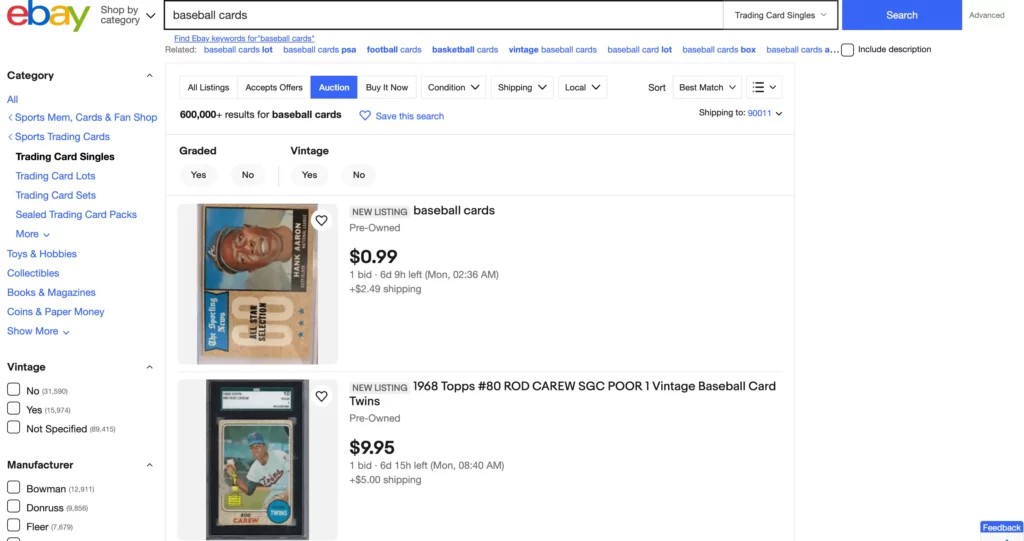
Wide-reach marketplaces and auction platforms bring large audiences, which helps when you want competitive bidding or many potential buyers. Use timed auctions for especially rare cards to create excitement and possibly drive up the final price; choose fixed-price listings for common cards or when you want a predictable sale. Take care with listing details—clear photos, honest condition notes, and thoughtful shipping policies reduce disputes. If shipping nationally, package cards securely and offer tracked, insured delivery. Practical tip: if you know a card is desirable but aren’t sure of the top price, try an auction with a modest starting bid and reserve to protect against selling too low.
5. Specialist services: dealers, consignment, and full-service sellers
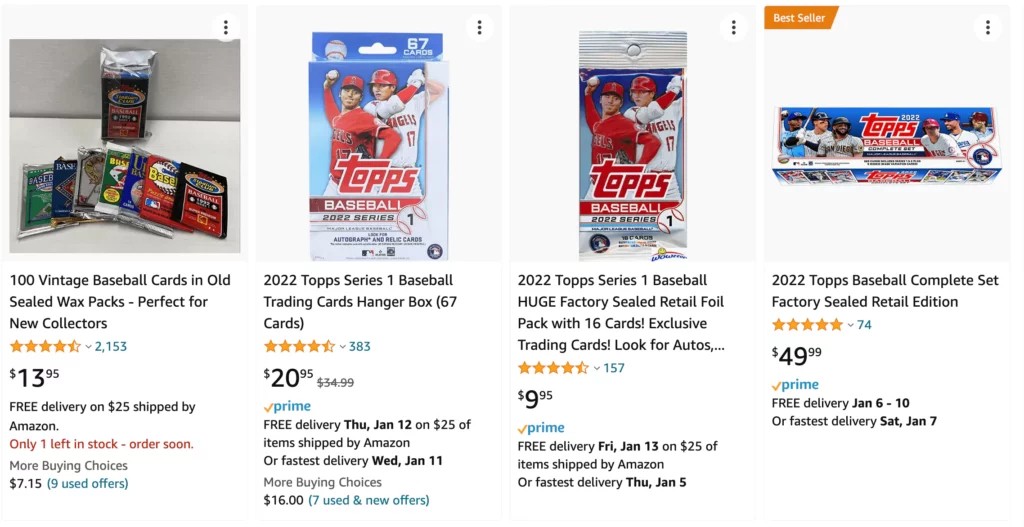
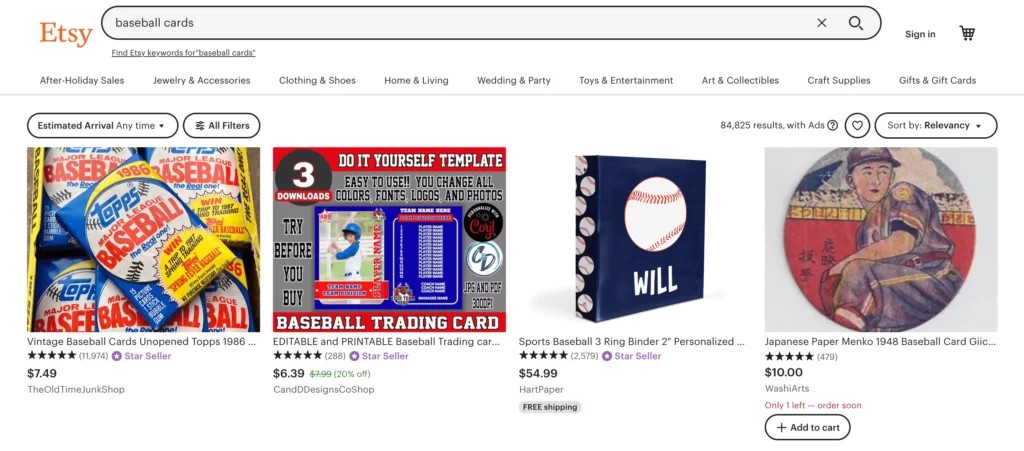
Specialized buyers and platforms focus on sports cards and offer services that general marketplaces don’t. Some dealers will buy entire collections outright for a fast, guaranteed sale; consignment shops and auction specialists list items to collectors for a share of the final price. Full-service companies can photograph, research, list, and ship for you—handy if you prefer a hands-off approach. The trade-off is that these services take a commission or charge fees, so compare offers. Example: if you have a handful of high-end cards, consignment with a respected specialist can place them in front of serious collectors and often yields a higher net return than a quick sale to a dealer.
6. Local options: pawn shops, card shows, and neighborhood sales
Selling locally cuts shipping hassle and often gets you immediate payment, but prices can be lower than online. Pawn shops are fast and convenient for bulk lots or commons, though they typically offer less than a collector would. Card shows and trade fairs attract enthusiasts and dealers who will pay more for singles or sets; renting a small table lets you interact directly with buyers. Garage sales and neighborhood marketplaces are great for clearing commons—bundle cards into themed lots and be ready to bargain. Practical example: bring a few standout cards to a local show for appraisal and market exposure, and sell the rest as grouped lots at a yard sale.
7. Collector communities: social platforms and forums where buyers gather
Online communities—social marketplaces, hobby forums, and niche groups—are where passionate collectors trade and buy. Post clear photos, full descriptions, and your terms, and always follow group rules. Forums and dedicated collector groups often host dedicated buy/sell threads that attract well-informed buyers who value condition and provenance. Use reputation-building tools like seller feedback, and consider offering local pickup or tracked shipping to widen interest. Example approaches: list a prized item in a focused collector group with provenance details; trade lower-value cards with other collectors to consolidate a saleable set for later resale.
Selling baseball cards is a balance of preparation, choosing the right marketplace, and matching your timeline to your goals. With care—proper storage, honest listings, and a plan—you can turn clutter into cash while connecting with the buyers who will most appreciate your collection.