How to Turn Your Basketball Card Pile into Cash: Smart Places and Tactics to Sell in Any Market
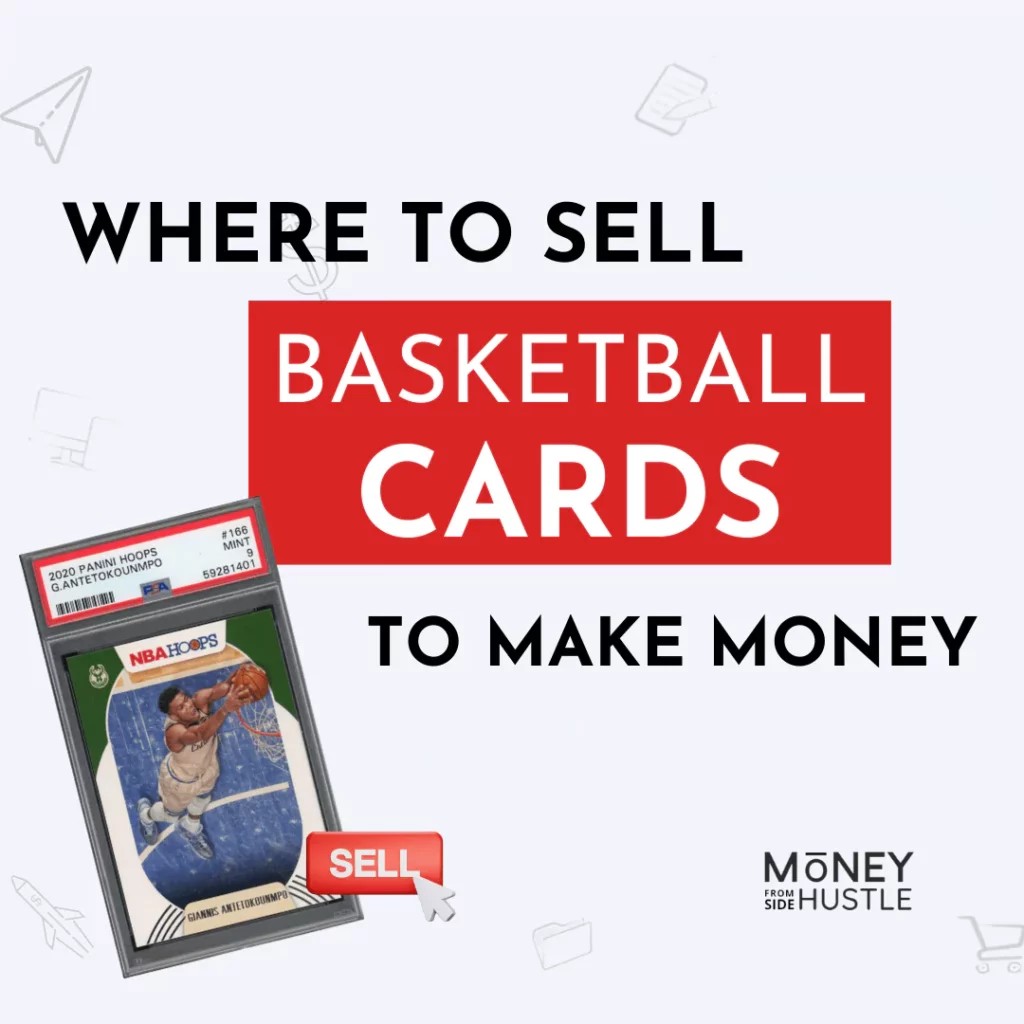
Whether you’re cleaning out a childhood stash or turning card flipping into a side gig, selling basketball cards is as much about strategy as it is about luck. This guide walks you through smart choices — from understanding value drivers to picking the right selling channel — so you can make confident decisions and get the result you want.
1. Match your goals to a selling approach
The first step in selling is deciding what you want from the sale: quick cash, maximum return, or clearing out bulk commons. Different routes serve different aims. For example, a single, high-profile rookie will usually fare better in an online auction where competition can push the price up; a box of mixed commons may be easiest to move at a local yard sale or to a dealer who buys collections in bulk. Factor in time, effort, and how comfortable you are with shipping or meeting buyers in person. Mapping objectives—speed vs. profit—will guide whether you list individually online, use a consignment-style service, or sell locally for a fast transaction.
2. What really determines a card’s worth
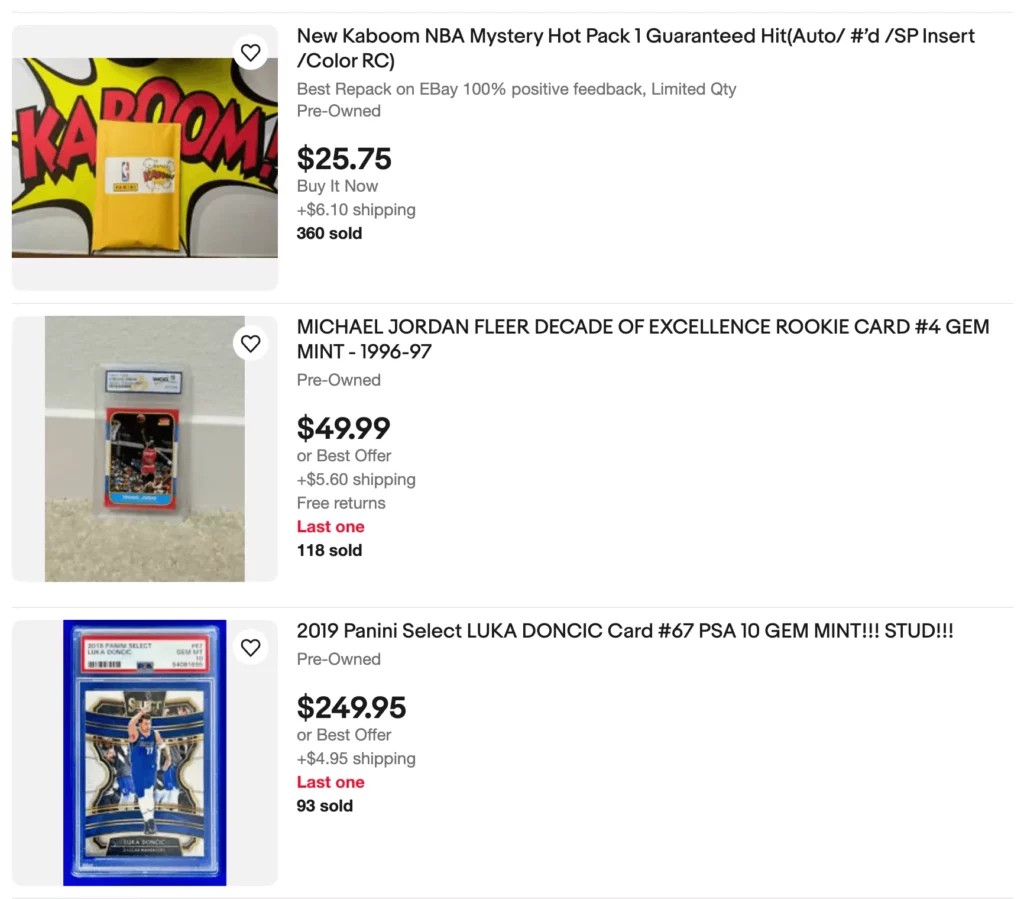
A few consistent variables shape market value: scarcity, the card’s physical condition, which player is featured, prevailing demand, and whether the card is graded. Scarcity can be a limited-run insert or a misprint; condition covers surface, corners, centering and any creases. Grading from a reputable third party adds buyer confidence by verifying authenticity and condition. For example, a well-preserved rookie from a star player will typically attract more attention than an identical card with edge wear. Before selling, inspect cards under good light, compare with recent sale listings for comparable cards, and consider whether professional grading could meaningfully increase buyer interest.
3. Prepare listings and packaging to protect value
Presentation and care can make the difference between a quick sale and top dollar. Invest time in sharp, well-lit photos from multiple angles, and write precise descriptions noting any flaws. Research comparable completed sales so your price is realistic, and set a minimum or reserve if you use an auction. For shipping, use sleeves, top-loaders, and rigid mailers, and insure higher-value items—document condition with photos before sending. Practical example: before listing a sought-after rookie, have it professionally graded or at least sleeve and top-load it, take clean photos showing centering and edges, and include return instructions to reduce disputes.
4. Online marketplaces: reach broad audiences
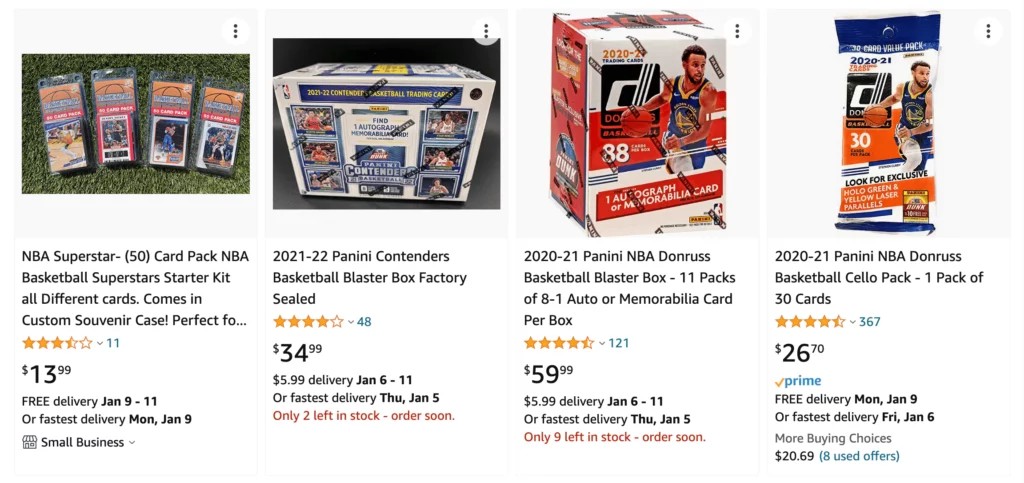
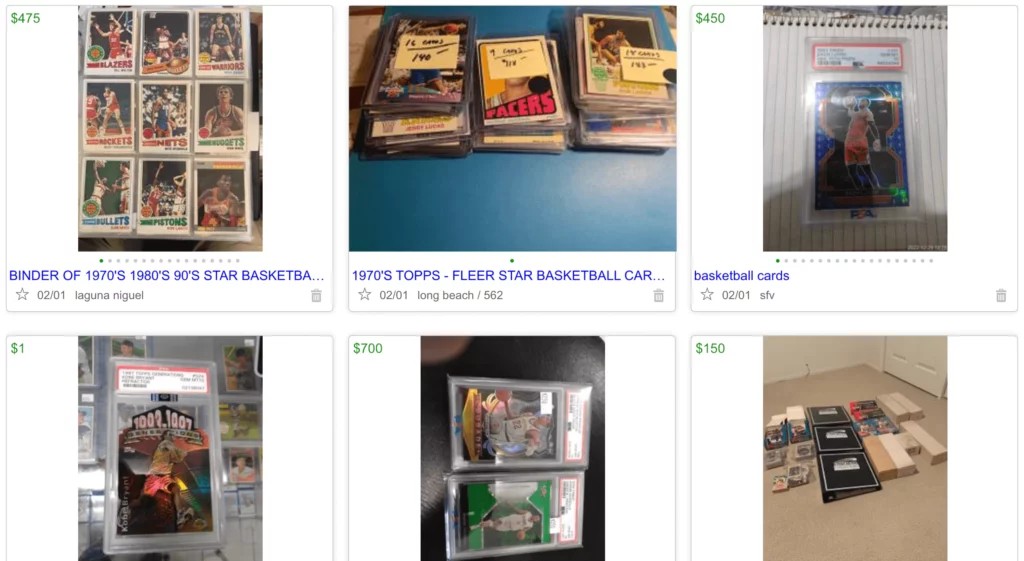
General marketplaces put your cards in front of many buyers and offer flexible listing formats. Auctions can help when demand is high, while fixed-price listings suit sellers who want a predictable outcome. Local listing options let you avoid shipping by arranging meetups, and some platforms support seller protection and payments that simplify transactions. A practical tactic: list a rare rookie in an auction with a sensible reserve, and set a buy-it-now for buyers who don’t want to wait. For everyday commons, use local pickup to save fees and shipping time, and be prepared to vet buyers and choose safe meeting locations.
5. Specialist services and dealers: convenience vs. control
If you prefer a hands-off experience, consignment services and dealers can handle listing, photography, and sales for a fee or buy collections outright. Consignment platforms often sell to national collectors and handle customer inquiries, which helps when you have higher-value or graded cards. Direct buyers and card shops may offer immediate payment for whole collections, which is efficient but usually yields less than piecemeal sales to collectors. Example: send a curated set to a consignment service to tap into their audience, or request offers from multiple dealers if you value speed. Always get written terms and compare offers so you understand the fees and timelines.
6. In-person outlets: shows, shops and neighborhood sales
Local options work well when you want cash quickly or to avoid shipping logistics. A card show connects you with collectors and dealers who can make offers and inspect cards in person; a local card shop can appraise or buy items on the spot; yard and garage sales move bulk commons to casual buyers. Practical advice: bring standout cards separately and avoid handing over valuable items before payment; for shows, reserve a table or contact dealers ahead of time with a list so they can evaluate interest. When selling locally, have clear pricing, be ready to negotiate, and prioritize safe, public meeting places.
7. Leverage social groups and forums for collector-focused sales
Specialized communities—local collector groups, social marketplace pages, and hobby forums—connect you with buyers who understand value and often pay premiums for sought-after items. Join groups, read posting rules, and build reputation before selling: frequent, helpful contributions make buyers more likely to trust you. When listing, include high-quality photos, a frank condition report, and preferred payment/shipping methods. Example: post a well-documented sale thread in a collectors’ forum and mention return policies—this can attract serious bidders who value authenticity and are prepared to pay more than general-market shoppers.
8. Decide whether to sell now or hold: a practical framework
Timing matters. If market interest for a player or era is rising, holding graded or rare pieces might pay off; if you need cash or the collection is mostly commons, selling sooner can be practical. Consider splitting your inventory: list high-value singles individually online or consign them, and sell bulk commons locally or in lots. Protect cards you plan to keep by storing them in a cool, dry place and handling minimally. Set a personal timeline and price thresholds—if an item doesn’t reach your target by a set date, be ready to move it through a faster channel. This mix-and-match approach balances potential upside with immediate needs.
Selling basketball cards is a choice among tradeoffs: speed vs. return, hands-on effort vs. convenience. By understanding what drives value, preparing listings and packaging carefully, and choosing the sales channel that fits your goals, you can turn cards into cash on your own terms. Start small, learn the market, and refine your approach over time.