Side-Gig Playbook: How to Pick the Best Odd Jobs and Apps for Your Time

Whether you want to fill a few hours after work or build a steady second income, the right odd job is the one that fits your schedule, skills, and comfort level. This guide breaks down the options—remote, local, hands-on and behind-the-wheel—so you can choose where to jump in and how to get steady work fast.
1. What “odd job” really means for your schedule and strengths
Odd jobs span a huge range: quick neighborhood tasks, creative freelance gigs, scheduled care work, mystery-shopping visits, or one-off manual projects. Think about what you enjoy and how much time you have—an evening hour, weekend mornings, or a block of weekday afternoons. For example, someone who likes animals might build a few weekly dog-walking slots and an occasional pet-sitting weekend; a detail-oriented person might prefer mystery-shop visits or short data-entry tasks. List three activities you enjoy, then match them to the kinds of gigs that fit your calendar. That clarity makes choosing apps and pitching yourself much easier.
2. Remote-friendly gigs you can do from your couch
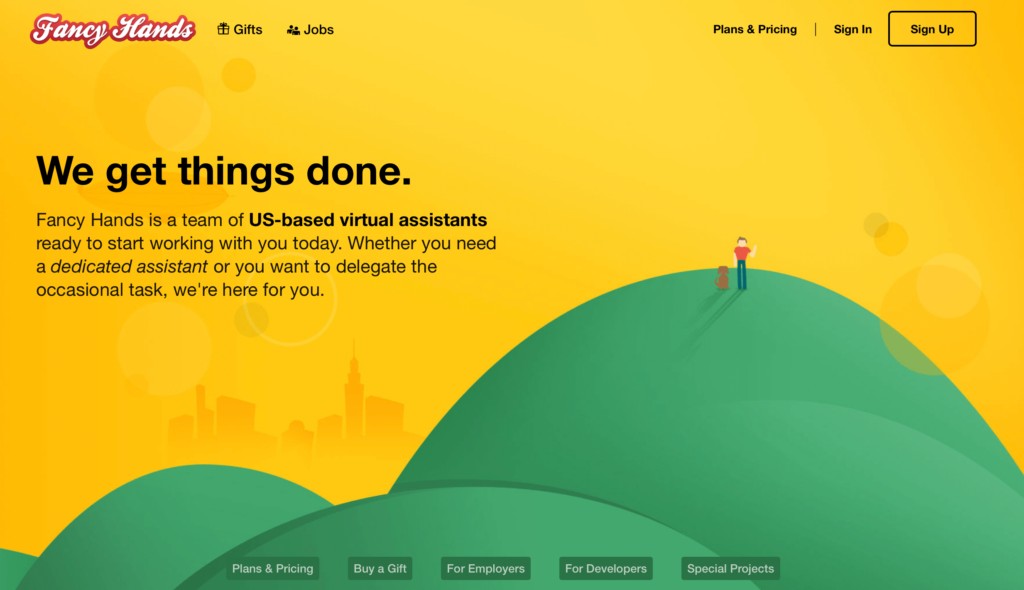
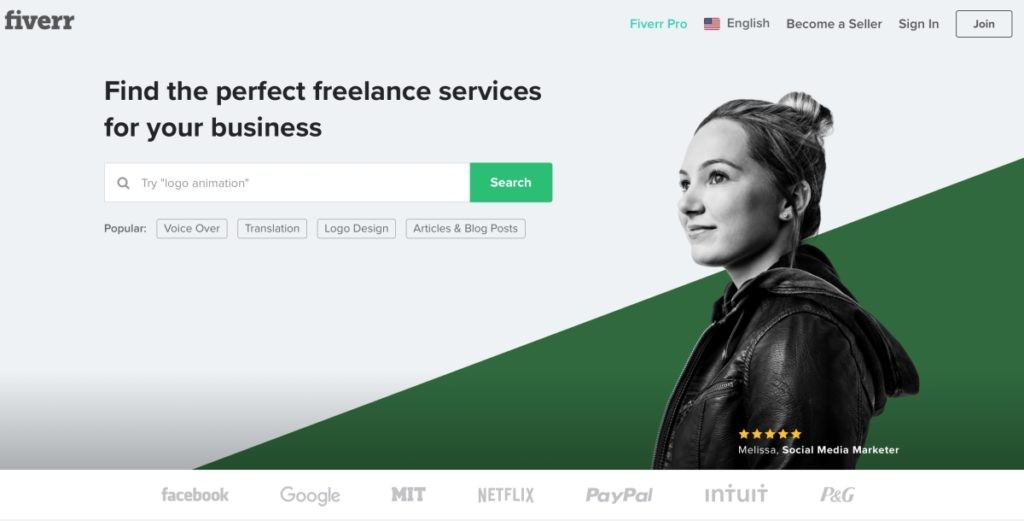
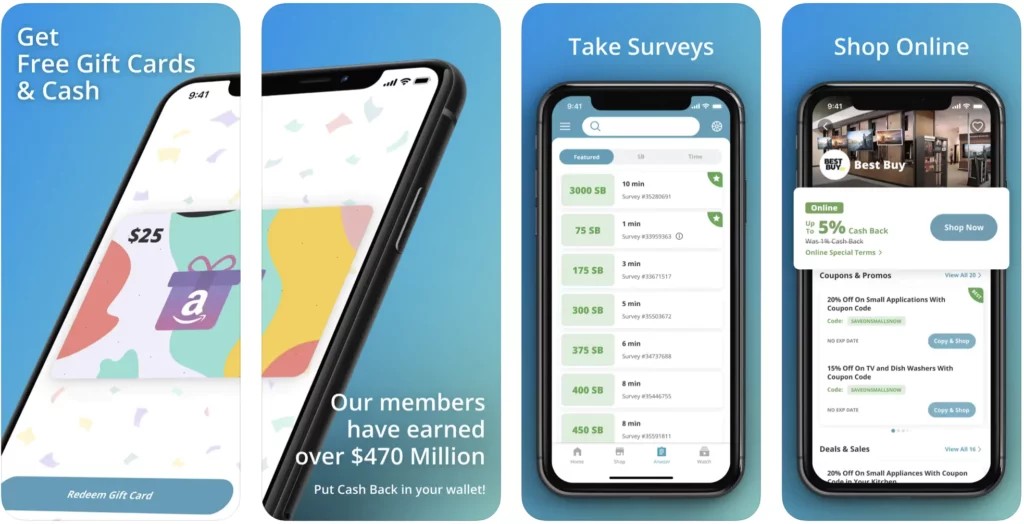
If you want to earn without leaving home, look for microtask platforms, freelance marketplaces, paid-research panels, user-testing projects, and virtual-assistant work. Practical examples include offering proofreading or social media help on a freelancer board, taking targeted market-research studies that ask for in-depth feedback, recording website walkthroughs for developers, or doing short transcription and data-cleaning tasks. To get started, craft a concise profile with examples of past work, set clear turnaround times, and screen study invitations for relevance so you avoid repeated rejections. Use a dedicated payments email and link your preferred payout method to receive funds reliably.
3. How to find fast local gigs in your neighborhood
Local gig platforms and community marketplaces connect people who need hands-on help with nearby workers. Common jobs include furniture moving, quick home cleanups, yard tasks, and small deliveries. To win clients, create a short local profile listing the neighborhoods you’ll serve, the equipment you bring (truck, tools, ladder), and your availability. Offer a clear cancellation policy and confirm exact start times in messages to avoid no-shows. Practical tip: build a simple pricing menu—hourly for moving, flat rates for a standard yard tidy—so customers can book without lengthy back-and-forth.
4. Platforms for hands-on home, yard, and repair work
There are marketplaces focused specifically on home services and manual tasks: repairs, furniture assembly, painting, plumbing basics, lawn care, and seasonal work. A useful strategy is to create a portfolio of before-and-after photos and list the exact services you provide. For example, offer a ‘snackable’ service like a one-hour light-assembly visit or a bundled offer such as seasonal lawn maintenance plus a winter snow-removal add-on. If a platform charges per lead, set a monthly cap and prioritize leads that match your skills. Clear communication about tools, travel radius, and payment expectations helps you earn better reviews and repeat bookings.
5. Driving and delivery gigs: practical, flexible options
If you have a reliable vehicle and appropriate coverage, driving and delivery shifts are one of the most flexible ways to earn. Options include food delivery, grocery shopping plus delivery, and rides for passengers. Plan short blocks—late afternoons or weekend meal times often have steady demand—and keep a small kit in your car (phone charger, insulated bag, a simple first-aid kit). Track mileage and set aside funds for fuel and maintenance. Safety and clear communication are essential: confirm pick-up details, follow contact-free instructions when offered, and check vehicle requirements like insurance or inspection rules before accepting work.
6. Choosing the marketplaces that make sense for you
Marketplaces vary by how they screen jobs, what fees they charge, and which audiences they serve. Some list many kinds of work in one place; others specialize in testing apps, running errands, or offering home services. To decide where to sign up, compare onboarding requirements, feedback systems, and how payments are processed. Practical steps: read recent user reviews, check if the platform verifies clients, and test the payout process with a small job. Start with one or two platforms that match your strongest skills, then expand once you have positive reviews and a repeat client base.
7. How to get booked quickly and keep clients coming back
First impressions matter: use a friendly photo, a short description of what you do, and clear availability. Offer one competitive introductory price or a bundled option to encourage bookings, and always follow up with a thank-you note and a polite review request. For example, after assembling furniture, send a quick message confirming the job is complete and offering a discounted hourly rate for future help. Build simple templates for replies to common questions like cancellations, supplies needed, or time estimates—this saves time and projects professionalism. Over time, prioritize jobs that bring regular repeat business and positive referrals.
8. Answers to the questions gig-seekers ask most
People often ask how to get started, how to find trustworthy clients, and which odd jobs pay best. Start by listing marketable skills—writing, driving, handiwork, or attention to detail—and match them to local or remote platforms that specialize in those services. To find someone to do a task for you, use vetted local apps that show reviews and worker profiles, and ask for ID or references when needed. Which odd job earns more depends on local demand and your expertise; specialists or those who solve niche problems usually command higher rates. Finally, if you crave variety, choose staffing-style apps that post different shift types each day so you can try something new regularly.
Finding the right odd job is less about chasing the highest pay and more about aligning work with your schedule, skills, and personal preferences. Start small, tighten your profile, and build credibility with clear communication and reliable work—then expand into the apps and gigs that fit you best.