How to Sell Your Yu-Gi-Oh! Cards: A Practical Guide to Getting More for Your Collection
Whether you’ve rediscovered a childhood binder or have been curating cards for years, selling your Yu-Gi-Oh! collection can be rewarding—financially and emotionally—if you approach it thoughtfully. This guide walks you through the choices, value factors, marketplaces, and smart selling habits so you can decide what to sell, where to list it, and how to package and price items for the best outcome.
1. Decide what you want from selling: quick cash, steady flips, or curated sales
Start by clarifying your goal. Are you clearing space and want cash fast, testing the market by flipping a few gems, or aiming to maximize return on specific rares? Your answer changes your approach: bulk disposal prefers local buyers or wholesalers, while rare or graded cards usually do better through auction-style listings. Inventory honestly—separate prized pieces from commons, photograph representative examples, and note any provenance or tournament history. A practical example: gather commons into lots for a single local sale, but list a mint, first‑edition card individually with detailed photos and a clear history to attract collectors willing to pay a premium.
2. What actually determines a card’s value
Several attributes shape a card’s price: rarity, physical condition, print edition, playability in current formats, and whether it comes from a special promotion or event. Condition matters dramatically—near‑mint and mint cards typically command much higher prices than heavily handled copies. First‑print or limited‑run variants and tournament prizes are rarer and tend to hold value. Playability in current competitive decks can temporarily raise demand. For sellers, practical steps are to sort cards by perceived rarity and wear, compare recent finished listings for the same edition, and decide which pieces might justify professional grading before listing to attract serious collectors.
3. Why some cards become true collectibles

A small subset of cards becomes highly sought after because of extreme scarcity or historical significance—promotional prizes, prototype prints, or custom pieces tied to famous events. These items are rare not just because few were printed, but because many were lost or destroyed over time. If you suspect you own one, provenance matters: receipts, photos from events, or documented ownership help establish authenticity and increase buyer confidence. Practical example: if you find an event‑issued prize card in excellent condition, research its background and consider specialist auction venues or appraisal before listing broadly to ensure you attract collectors who understand its rarity.
4. Which categories of cards commonly retain value today
Collectors and players often target a few familiar categories: iconic monster cards, powerful or game‑changing spells and traps, tournament prize cards, and early first‑edition prints. These categories are sought for nostalgia, display, or gameplay value, and their demand can shift with the community and competitive scene. Before selling, check recent sales for cards in the same edition and condition—this gives context for pricing and timing. For example, an iconic monster in near‑mint condition from an early set will generally be more attractive than a recent reprint, so consider listing historically significant pieces individually rather than in bulk lots.
5. Selling online: marketplaces, listing strategy, and shipping tips
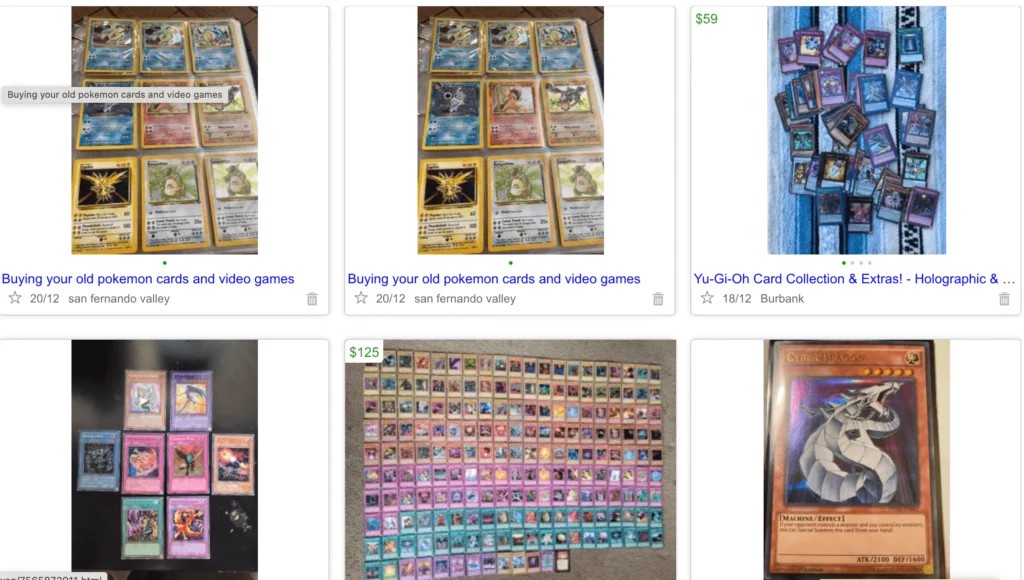
Online platforms offer the widest audience and, for rare cards, the highest potential returns. Craft listings with sharp, well‑lit photos; accurate condition grading; and a descriptive title that includes edition and set information. Decide between auction-style listings for high-demand items and fixed-price listings for things you want to move quickly. Pack shipments securely—top loaders, sleeves, and rigid mailers reduce damage risk—and use tracked shipping to protect yourself and reassure buyers. Practical moves: bundle commons into lots to reduce individual listings, cross‑list distinctive pieces where allowed, and keep communication prompt to build confidence and avoid disputes.
6. Selling locally: where to meet buyers and how to handle negotiations
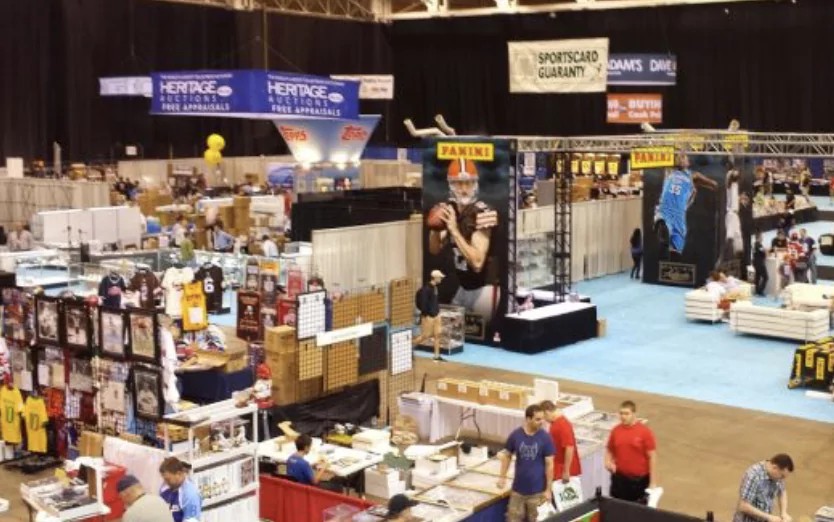
If you need immediate payment or want to avoid shipping, local options are practical: comic and hobby stores, pawn or consignment shops, local buy/sell groups, and conventions or swap meets. Each option has tradeoffs—convenience and speed versus potentially lower offers—so prepare accordingly. Bring a sorted binder or clear inventory sheet, set a minimum acceptable price, and be ready to negotiate. Safety tips include meeting in public spaces with surveillance, accepting cash when possible, and avoiding personal checks. For bulk sales, stores or wholesalers may offer instant quotes; for individual collectors, in‑person meetings at conventions can yield fair offers for well‑presented cards.
7. Practical steps to get the best price
Do targeted research: compare recent completed sales for the exact edition and condition, and be honest about wear. For higher‑value cards, professional grading can increase buyer trust, but weigh that against the grading cost and turnaround time. Photograph items against neutral backgrounds with closeups of corners and any imperfections. When selling in bulk, sort and label lots by rarity and condition to make them attractive to buyers and avoid sorting fees from wholesalers. Communicate transparently about condition and history; consistent, accurate listings build a reputation that leads to repeat buyers and smoother sales.
8. Match the selling channel to your priorities
Choose where to sell based on urgency, effort you’ll invest, and how much you expect to earn. If you want fast cash with minimal hassle, local stores or consignment might be the best route. If you seek top dollar for a rare piece, dedicated online marketplaces and auction listings give access to collector audiences. Bulk disposals often suit buylist services or local sales. A practical plan: pick a few flagship items to list online with detailed listings, while grouping commons into local lots or a single wholesale sale. Reevaluate after initial listings—if demand is low, adjust price, presentation, or the marketplace you’re using.
Selling a Yu‑Gi‑Oh! collection is part research project, part presentation. Take time to sort, document, and choose the right venue for each card and you’ll maximize both your return and the joy of passing pieces on to new homes.