How to Turn Your Sports Cards Into Cash: A Practical Guide for Sellers

Whether you’ve rediscovered a shoebox of cards in the attic or you’re ready to turn a hobby into a side hustle, selling sports cards can be rewarding and straightforward when you know where to start. This guide walks you through valuing your collection, simple prep work, online and local selling options, and how to pick the approach that fits your timeline and goals.
1. Figuring Out What Your Cards Are Really Worth

Start by building a clear picture of value: rarity, the player, condition, whether a card is autographed, and whether it has a professional grade. Practical steps include comparing recent completed listings for the same card to see what buyers actually paid, inspecting centering, corners, and surface for visible wear, and noting any signatures or unique print variations. For higher-value pieces, consider a grading company to authenticate condition—graded examples often attract more confident buyers. As an example, compare a clean rookie card sold as a single lot vs. the same card listed as part of a set to see how listing format and presentation affect price.
2. Small Changes That Can Boost Sale Appeal
Simple, inexpensive steps make cards look cared-for and can increase buyer interest. Use penny sleeves and rigid top loaders or card savers to protect individual cards, store collections flat and away from humidity, and handle cards by the edges with clean hands. Photograph cards on a neutral background with good lighting and include close-ups of corners and any notable flaws. Organize cards by set, player or year before listing—buyers and dealers prefer sorted lots. Take quotes from several buyers rather than accepting the first offer. For example, grouping 30 related cards into a single listing often attracts higher per-card returns than posting dozens of random singles.
3. Online Options: Marketplaces, Consignment, and Auctions
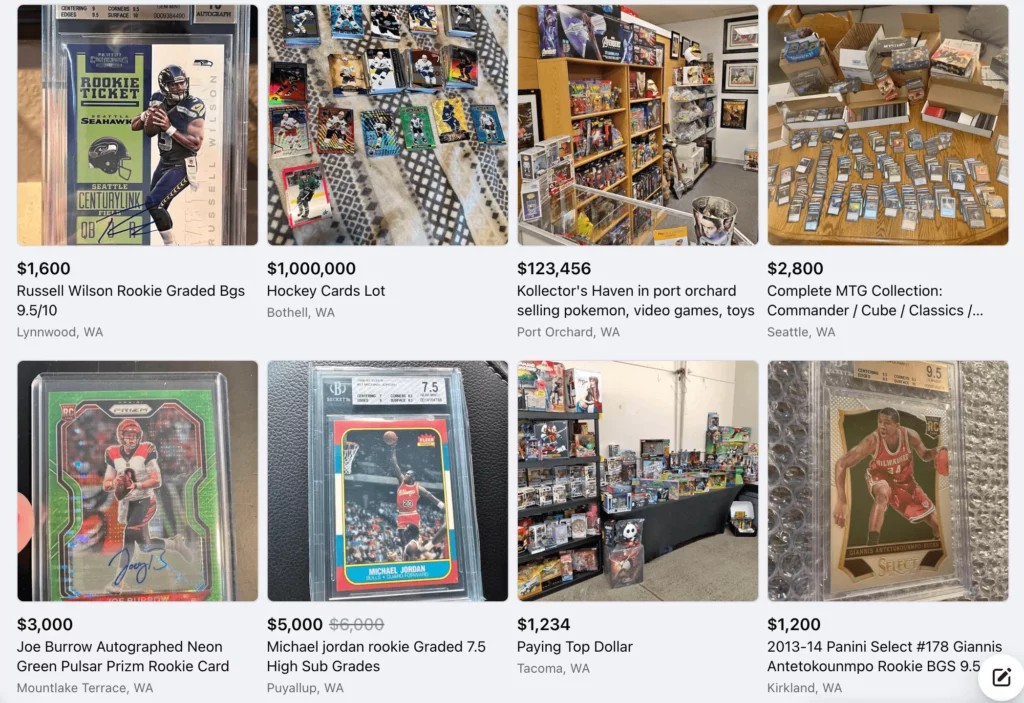
The internet connects you to a wider pool of collectors and often delivers stronger prices, especially for rare or graded cards. Major marketplaces and specialized services each have different workflows: list and manage sales yourself on a general auction site, use a platform that photographs and lists your cards for you, or consign high-value pieces to auction houses. Practical approach: write honest condition notes, include multiple clear photos, and choose tracked shipping with insurance for valuable items. If you prefer hands-off selling, a consignment service that handles photography, listing and shipping can save time—just confirm how payouts or store credit are handled before sending inventory.
4. Selling Close to Home: Shops, Meetups and Shows
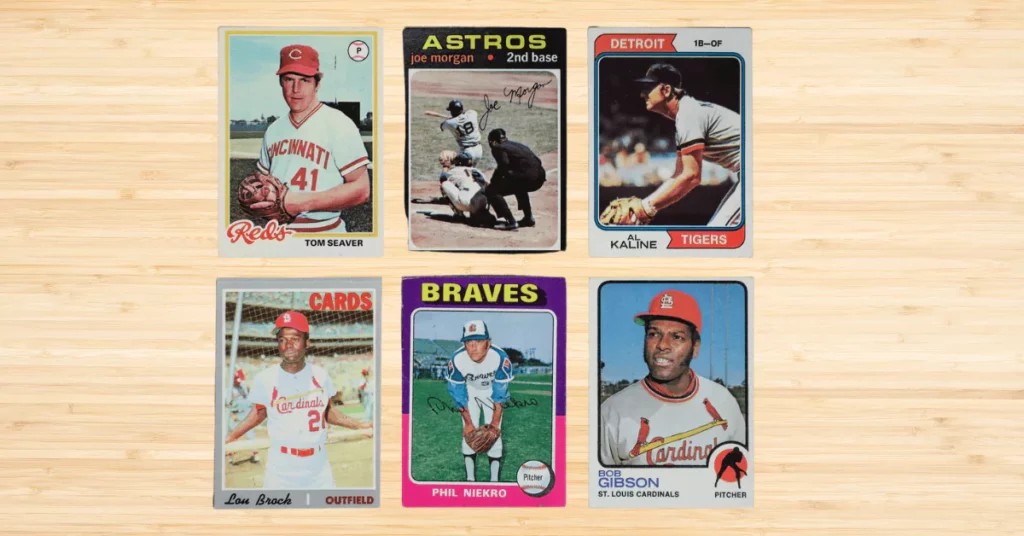
Local selling is best when you want cash quickly or prefer in-person transactions. Options include meeting collectors through community marketplaces, working with neighborhood card shops, or selling to dealers and pawn buyers who accept bulk lots. At card shows and conventions you’ll find dedicated buyers and the chance to get on-the-spot appraisals; many sellers also set up booths when they have larger inventories. Safety and clarity are key: meet buyers in public, ask for payment before handing over cards, and be ready to negotiate. For example, low-value commons often sell faster in bulk to a dealer, while rare singles may fetch more at a specialty show.
5. Pick the Path That Matches Your Timeline and Goals
Decide whether you need immediate cash or want to maximize return, then select the appropriate channel. If speed matters, local buyers or direct-to-dealer sales are quickest. If you’re chasing top dollar, prepare standout pieces for grading and list them where collectors look—auction platforms or specialized marketplaces tend to draw serious bidders. Consider convenience too: a full-service consignment option can free up your time if you’re selling many cards. Keep expectations realistic and be patient; sometimes waiting for the right buyer or season can make a measurable difference in final offers.
With a little research, careful handling, and the right sales channel, you can turn a card collection into meaningful cash or a satisfying trade. Take your time to assess value, protect what you have, and choose the selling route that fits your goals.