Turn Your Closet Into Cash: A Practical Guide to Selling Clothes Sustainably

If your wardrobe feels overflowing but uninspiring, selling the pieces you no longer wear can clear space, earn money, and keep garments in circulation. This short guide walks you through the why, the how, and the where of selling clothes—packed with real examples you can use tonight to prepare items, choose platforms that fit each piece, and move inventory faster without fuss.
1. Why letting go of garments helps your wallet and the planet

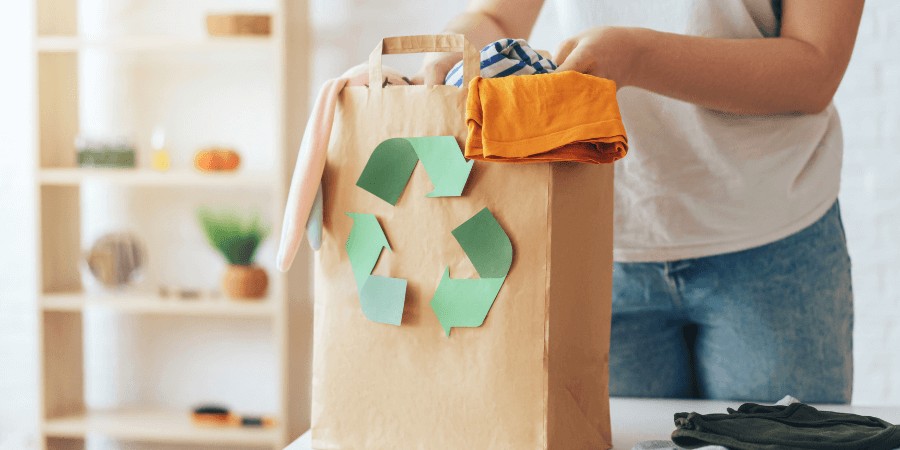
Clearing out clothes isn’t just about freeing closet space—every item you resell avoids contributing to waste and stretches the life of existing garments. Think of selling as a small sustainable act: a barely-worn blouse finds a new home, a vintage jacket becomes someone’s signature piece, and a well-loved sweater is repaired and reused instead of tossed. Practical example: sort a shelf into four piles—sell, mend, donate, recycle—and commit to listing the “sell” pile first. Even if pieces move slowly, they’ll reduce landfill pressure and free up the budget for fewer, better purchases later.
2. Prep like a pro: cleaning, photos, and pricing that sell
Presentation matters. Clean or dry-clean garments as appropriate, repair loose seams, and steam out wrinkles before photographing. Use natural light and a plain backdrop; include a close-up of labels, fabric texture, and any flaws. Measure garments flat (waist, length, sleeve) and add those numbers to listings so buyers can judge fit. Price with context: compare similar listings, bundle like items (for example, three summer tops for a single price), and account for shipping. For shipping, pack in a lightweight mailer with tissue paper and a simple thank-you note—small touches improve reviews and repeat sales.
3. Choose the right outlet for each piece: marketplaces and options
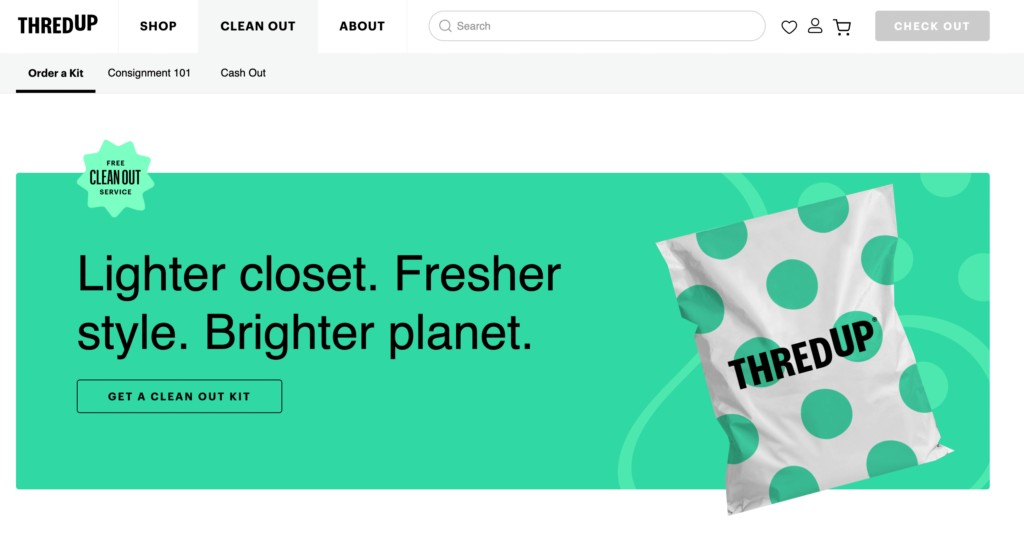
Different platforms attract different buyers. Designer or luxury items usually perform best with consignment services and marketplaces that highlight authentication. Trendy, youth-oriented items often sell faster on apps that emphasize discovery and social sharing. For men’s niche pieces, specialty marketplaces reach dedicated collectors and enthusiasts. If you prefer a hands-off approach, consignment or white-glove services will list and ship for you; if you want more control, peer-to-peer apps let you set price and handle inquiries. Examples: use a curated resale site for a vintage coat, a casual marketplace for everyday jeans, and a local classifieds post or garage sale for bulk clearance to avoid shipping.
4. Common seller questions—practical answers
Sellers often worry about washing, pricing, shipping, and unsellable items. Wash or refresh garments before listing, and always note cleaning method and condition. If you’re unsure how to price, check recent sales of comparable items and adjust for condition and demand; consider running a short promotion or offer bundles to move inventory. For shipping, include tracking and a clear return policy to build trust. If an item doesn’t sell, try relisting at a lower price, repurposing it as a DIY project, or donating it to a local charity—each option avoids waste and keeps your selling momentum moving.
5. A simple routine to make selling clothes manageable
Turn decluttering into a repeatable side project with a clear routine: pick one or two hours to sort a batch of items, prep and photograph them in one session, then write concise listings and post across two or three appropriate platforms. Promote listings briefly on social channels or community groups and schedule a local pickup window for bulk items to avoid repeated meetups. Example plan: prepare 15 items on Saturday—wash and photograph—then post five items each evening with staggered pricing strategies. Track what sells where, and adjust where you list similar items next time to improve results.
Selling clothes can be simple and rewarding when you match thoughtful prep with the right marketplace. Start small, learn from each sale, and over time you’ll refine a sustainable habit that benefits your wardrobe, your wallet, and the planet.