Drive Smarter: Practical Ways to Earn from Your Car (Without Getting Burned Out)
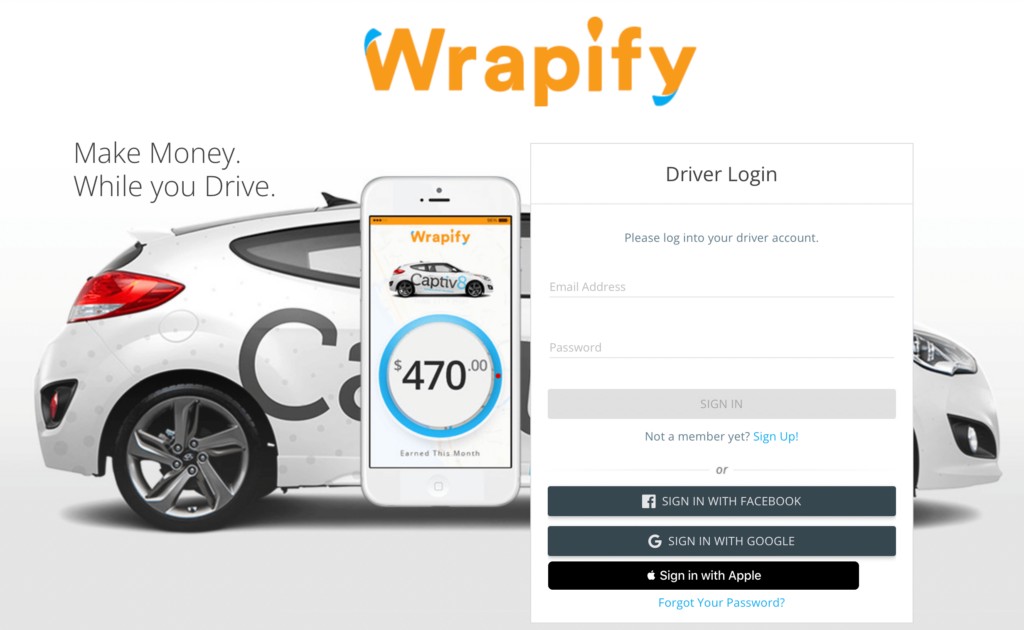
If you spend time behind the wheel, you can turn commute minutes into pocket money without upsetting your routine. Below are approachable options—from turning your vehicle into moving advertising to rideshare, deliveries and niche driving gigs—along with what to watch for so your side income stays worth the effort.
1. Wraps and Decals: Let Your Car Do the Marketing
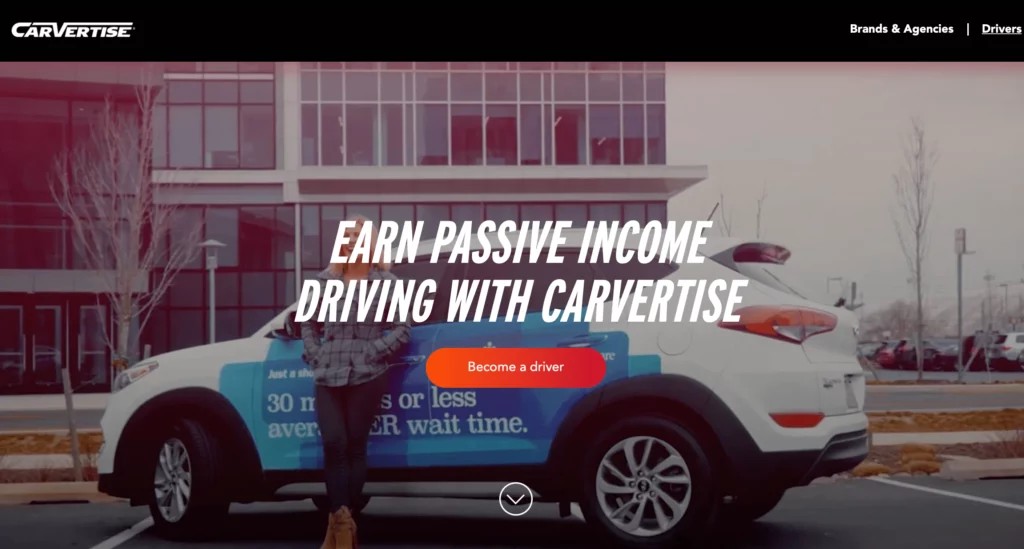
Wrapping or applying decals transforms a parked or driving vehicle into a promotional surface that brands notice. Typical arrangements range from small window decals to full-vehicle wraps, and contracts often require a minimum time commitment and steady driving along public routes. Practical example: a commuter who logs daily highway miles may qualify for a full wrap deal, while someone who mostly parks in a city neighborhood might opt for rear-window ads that are easier to install and remove. Before signing, confirm mileage expectations, installation standards, and whether the company handles removal and repairs to avoid unexpected costs or damage to your paint.
2. Choosing a Car-Advertising Partner: What to Compare
Not all advertising companies operate the same way, so compare terms carefully: contract length, payment schedule, insurance coverage, and how they screen advertisers. Look for firms that use transparent matching systems and that document ad placement with photos and tracking. Practical example: when evaluating offers, ask to see a sample contract and request references from drivers who completed a campaign in your area. Also check whether the company conducts background checks and whether their payout covers lost driving days or weather-related installation delays. Clear communication and written guarantees help you avoid shady proposals that ask for upfront fees or sensitive bank details.
3. Driving Gigs Beyond Ads: Deliveries, Rides, and Specialized Routes
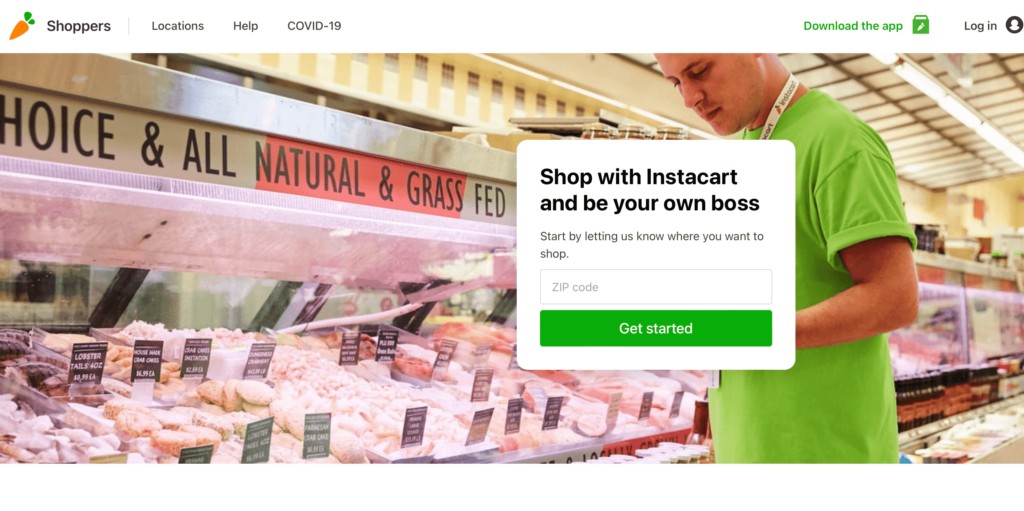
The driving economy includes a wide range of app-based opportunities: food and grocery delivery, on-demand rides, package couriering, pet or oversized-item transport, and helping with moves. Each option has different rhythms and equipment needs—for example, grocery runs often fit short windows between errands, while transporting furniture requires a truck or van and sometimes a helper. Practical examples: sign up for a grocery app to do evening shifts after work, or join a peer-to-peer shipping network to carry a package on a planned trip between cities. If you like routine, school-run services or scheduled elder transport may suit you, though they typically require extra vetting.
4. Protect Your Bottom Line: Costs, Taxes and Safety Habits
Earning behind the wheel brings recurring expenses—fuel, maintenance, wear-and-tear, and tax considerations—that can eat into gross earnings if not tracked. Use a mileage log or an app to separate business miles from personal use and keep receipts for routine maintenance. Practical example: set up a monthly transfer to a separate savings account earmarked for repairs and taxes, and schedule regular oil changes to avoid costly breakdowns. Prioritize safety by keeping your vehicle well-maintained, following traffic laws, and avoiding risky shortcuts for faster trips. Having clear records also simplifies tax filing when treating driving income as self-employment.
5. Weighing Fit and Lifestyle: Is Driving Income Right for You?
Turning driving time into earnings works best when chosen to match your calendar, vehicle type and tolerance for extra chores like cleaning, tracking miles and long days. Ask yourself whether you prefer predictable schedules or flexible, on-demand work, and whether you can absorb occasional downtime for repairs or slow demand. Practical example: if you already travel long distances for work or family visits, supplement those trips with delivery or peer-to-peer deliveries; if you value evening social time, short food-delivery shifts might be a better fit than long package routes. Evaluate local demand and read current driver reviews before committing.
Earning from driving can be practical and flexible if you choose options that align with your vehicle, time and tolerance for extra costs. Start small, track expenses carefully, and pick the gig that complements your routine so driving stays profitable and sustainable.