How to Get Paid as a Virtual Friend: A Practical Guide to Starting, Staying Safe, and Finding Clients

Offering companionship online can be a flexible, low-barrier side hustle that also deepens your communication skills. Below are clear, practical steps and examples to help you decide if paid virtual friendship is a good fit, set up strong profiles, stay safe, find the best platforms for your strengths, and build regular bookings without compromising your privacy.
1. Why people are hiring virtual companions — benefits beyond the paycheck
Being a paid online companion can deliver more than extra income: it’s an opportunity to sharpen listening, practice empathy, and learn about other cultures. Working with clients from different backgrounds can expand your conversational repertoire and help you become a clearer communicator. The schedule flexibility lets you fit chats into evenings or between other commitments, and the variety of requests—study buddy sessions, casual check-ins, or game nights—keeps the work interesting. For example, practicing a second language with a learner for half an hour twice a week can boost both parties’ skills while building a recurring booking. Treat it like micro-consulting in conversation and you’ll gain personal growth alongside clients’ appreciation.
2. Who thrives in this role: personality traits and practical examples
Successful virtual companions tend to share a few core strengths: curiosity, patience, and the ability to ask open-ended questions. Good listeners who can gently steer a conversation, introduce fresh topics, and respect boundaries are highly valued. That doesn’t mean extroverts only — introverted people who prefer thoughtful text-based chats or scheduled short video calls can do very well. For instance, a thoughtful writer might offer evening text check-ins, while a passionate gamer can provide coaching and companionship during play sessions. Consider what format suits you—text, voice, or video—and package your natural strengths into clear service offerings so potential clients know what to expect.
3. Create a profile that attracts bookings: practical steps and examples
A clear, specific profile is the foundation of steady bookings. List concrete interests, languages, and the formats you prefer (messaging only, voice calls, video). Use keywords potential clients might search for—book club partner, language practice, travel chatter—and illustrate what a typical session looks like (e.g., “30-minute check-in, topics: hobbies, work wins, weekend plans”). If a platform asks for verification or a short skills check, complete it promptly to improve visibility. Practical touches like an updated availability calendar, a short welcome message template, and a sample first-hour agenda make it easy for a new client to say yes.
4. Protect yourself and set healthy boundaries online
Safety and clear boundaries are essential when you’re offering companionship. Use a display name that protects your identity, set up a separate email and a virtual phone number for client contacts, and avoid sharing home addresses or personal account details. State your service limits directly in your profile—what you will and won’t do during calls or messages—and prepare polite scripts for redirecting requests that cross those lines. Always insist on platform-mediated payment methods rather than direct transfers from unknown clients, and report any abusive behavior to site moderators. Having a short, firm cancellation and refund policy will reduce awkward conversations and protect your time.
5. How to price services and encourage repeat clients—no guesswork required
Think of pricing as a way to position the type of companionship you provide: lighter, frequent check-ins; premium weekly coaching-style sessions; or bundled packages for longer-term support. Start with an introductory offer to get your first positive reviews, then test modest increments to find what the market will bear. Offer tiered packages—text-only at one level, voice calls at another, and video sessions at a higher tier—to give clients clear choices. Encourage loyalty by offering discounted blocks of sessions or a subscription for weekly check-ins. Track how many bookings come from repeat clients and adjust your availability to favor high-value, steady relationships.
6. Where to list your services: marketplaces and how to use them effectively
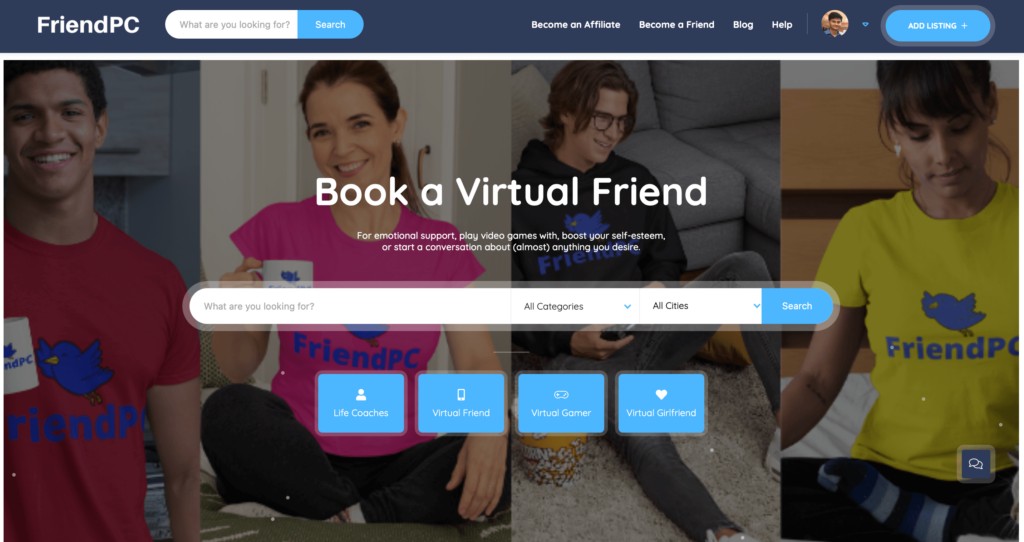
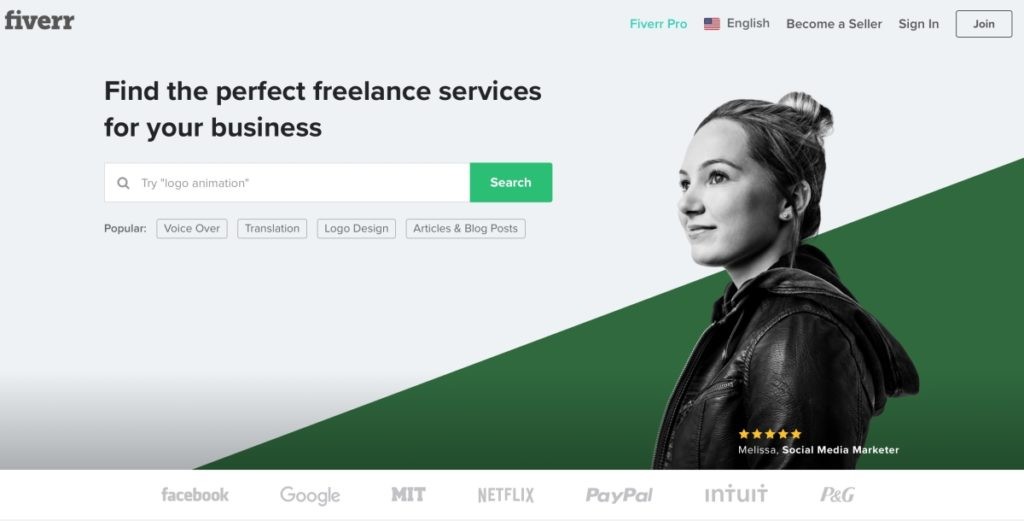
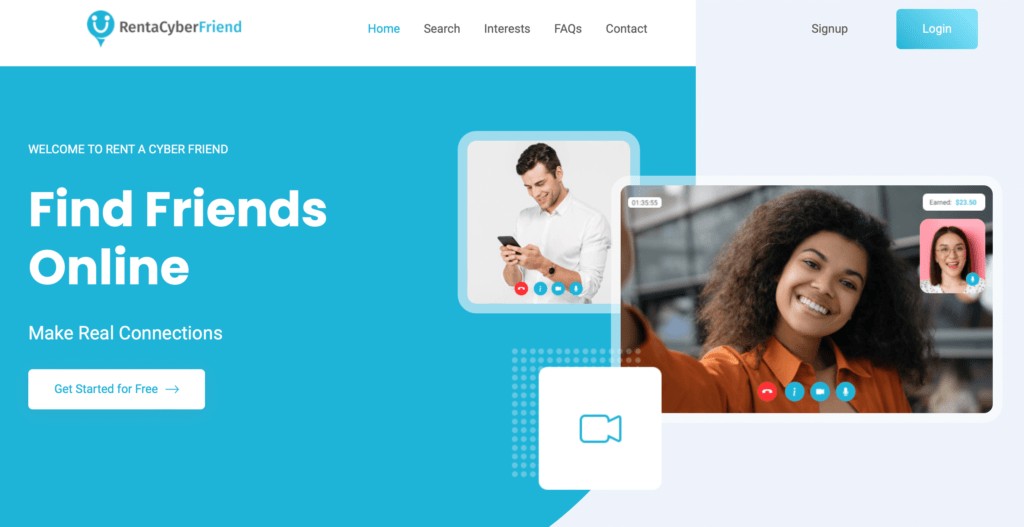
Several established marketplaces make it straightforward to reach clients: general gig sites, friend-rental services, and specialized companion platforms. When choosing where to list, compare fees, verification steps, and the types of requests most common on each platform. Tailor your listing to the site—short, eye-catching gigs on large freelance sites; detailed personality-driven bios on friend-rental platforms; and niche descriptions for tutoring or gaming marketplaces. Practical tactics include updating availability frequently, responding quickly to inquiries, offering a small first-time discount, and showcasing testimonials from past clients. Always check each platform’s rules and privacy features before committing.
7. Specialty platforms that match particular skills and interests
If you have a clear niche—emotional support, senior companionship, gaming coaching, or subject tutoring—target platforms that serve those communities. For example, mental-health peer communities welcome empathetic listeners; apps focused on seniors look for patient conversationalists who enjoy storytelling; gaming coaching networks value demonstrated gameplay and clear lesson plans; knowledge-sharing sites want interactive lesson previews. Tailor your pitch: share one-page examples of a beginner gaming lesson, a short list of topics you can cover in an academic chat, or a sample conversation starter for older clients. Niche sites often have smaller audiences but more targeted demand and less direct competition.
8. A simple first-week plan to launch your virtual-friend side hustle
Begin with small, manageable steps: Day 1—draft a concise profile highlighting two or three clear offerings and your preferred formats. Day 2—register on one broad marketplace and one niche platform that fits your skills. Day 3—set up secure payment options and a separate contact email. Day 4—post an introductory offer or sample gig and join forum discussions related to your interests. Day 5—run two short trial sessions with friends or volunteers to refine your script and boundaries. Day 6—collect feedback and add a testimonial. Day 7—adjust pricing or package structure based on response and schedule regular hours for follow-up.
If you enjoy thoughtful conversation and want flexible work-from-home hours, paid virtual companionship can be a rewarding side project. Start small, prioritize safety, lean into the platforms that match your strengths, and treat each booking as a chance to refine your offering and build repeat clients.